

The SPIN-FERT project, funded by the European Union’s Horizon Europe program, focuses on improving soil health in horticultural crops while promoting peat-free substrates
Soil is a living, life-giving natural resource that has been identified as fragile and nonrenewable. However, it is threatened by overall land degradation, including erosion, declines in organic matter and biodiversity, salinisation, and desertification, particularly due to anthropogenic activities, including intensive agricultural practices. Healthy soil is key to providing healthy food and safeguarding human health, a concept developed under the One Health framework. In this context, the European Union has developed a strategy to reverse current trends in soil degradation, including the establishment of a ‘Mission Soil’ under the Horizon Europe program for research and innovation.
The SPIN-FERT project
SPIN-FERT (‘Innovative practices, tools and products to boost soil fertility and peat substitution in horticultural crops’) is a project implemented under this framework that aims to tackle the major bottlenecks preventing the implementation of soil health-improving management practices, including the adoption of peat-free substrates. These include: enhancing the use of biostimulants through new formulations; standardising (technological normalisation) peat-free substrates to improve manufacturers’ capacity; improving the correct implementation of integrated soil management practices by farmers; and developing an overarching policy framework to support the adoption of environment-friendly practices and peat-free substrates.
SPIN-FERT approach to reverse soil degradation is based on the integrated use of microbial and non-microbial biostimulants and organic fertilisers with other soil management practices (e.g., cover crops, minimum tillage), to improve soil fertility and health in horticultural crops (Fig. 1). Such an integrated approach fosters the exploitation of the soil microbiome and its capacity to reduce the need for mineral fertilisers and synthetic pesticides.
To overcome a major bottleneck in the adoption of biostimulants, frequently related to ineffective formulations, SPIN-FERT is developing and validating the formulation and production processes of novel high-quality biostimulants (liquid, solid, gels) for different application methods. These innovations facilitate the production of multifunctional products and enable their use across diverse cropping systems, thereby enabling the design of crop-tailored fertilisation and soil health management strategies that exploit the integration of pre-, pro-, and postbiotics, similar to the current approach to human health.
Integrating soil biodiversity, functional biomarkers and physicochemical indicators
Understanding the effects of soil management practices on soil organisms is vital for the application of novel biostimulants, as changes in soil microbial structure may affect overall soil fertility. However, an index linking soil biodiversity and functional biomarker variables to physicochemical indicators and overall soil health and plant performance is lacking.
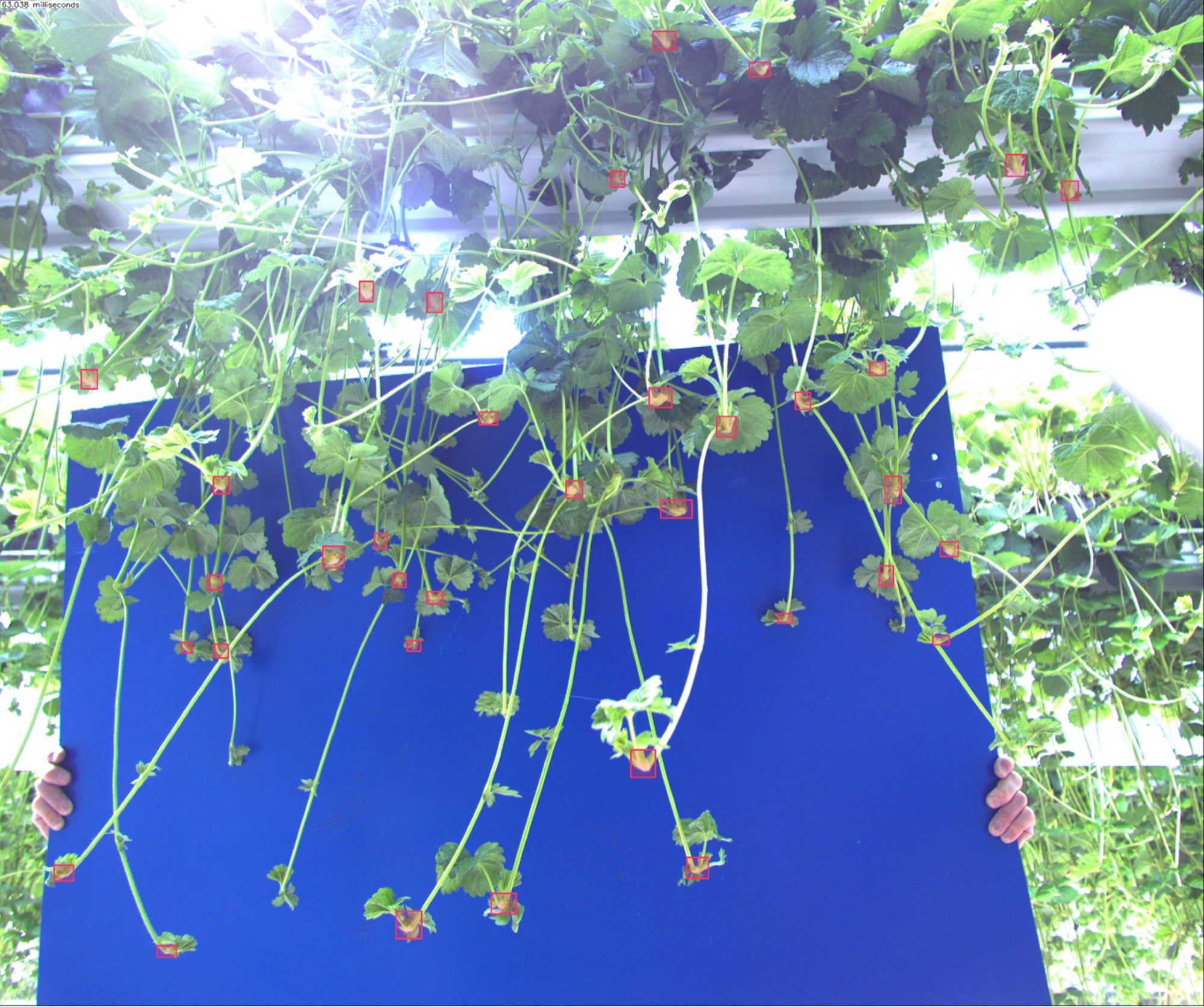
SPIN-FERT is addressing these issues with an innovative approach, integrating three smart tools, exploiting also AI-supported algorithms: 1) a lab-on-chip device to track bioinocula in soil; 2) an automated, robot-based image analysis system to assess soil microbial and nematode biodiversity; and 3) a smell-sensor to estimate soil microbial activity through patterns of volatiles (VOCs). Moreover, a Soil Holistic Quality Index that combines soil physical and chemical parameters with biological parameters related to microorganisms’ biodiversity is planned to be developed based on a model already tested. These tools will be suitable for monitoring and predicting soil quality and health, useful for farmers and advisors as well as for policy benchmarking, in view of the new EU Soil Monitoring Law, recently enacted to ensure a high level of environmental and health protection.
Optimizing processes and materials to create peat-free growing substrates
SPIN-FERT’s second pillar of activity concerns the optimisation of processes and materials to produce peat-free growing substrates, as well as the reuse of spent coir media. With a reported total of 25,990,000 m³, peat is the predominant bulky ingredient of growing media in the EU. However, the global use of peat must be reduced because it threatens peatlands, a delicate environment. Current recycling/repurposing is hampered by several factors that discourage the production of alternatives and their adoption by end-users, including inadequate supply of high-quality raw materials or the need for quality certification in line with legal requirements. SPIN-FERT addresses these needs by exploiting high-quality compost specialities integrated with formulations of specifically selected microbial inocula derived from peatland, and/or adding innovative waste-derived humic substances. To support the adoption of these substrates by operators, SPIN-FERT integrates the evaluation of social factors, life-cycle assessment, market opportunities, and the monetisation of ecosystem services to develop a legal framework that involves all relevant actors across the entire value chain. Recommending the framework to policymakers is a specific task that aims to transform research findings and innovations into societal benefits that reverberate on Earth’s health.
Education and engagement
A key role in the project’s success is played by the artistic approach and innovative tools for knowledge transfer: education and training materials tailored to professionals’ needs, and the exploitation of science-art methods to raise knowledge and awareness among citizens. Indeed, policies or technological innovations that require modifying citizens’ common behaviour need to reach people’s emotions, without which their efficacy, implementation, or adoption is not guaranteed. The SPIN-FERT consortium of scientists, manufacturers, practitioners, and artists is aware of this challenge and is putting its efforts to the highest level to overcome it. We invite all interested person to follow our effort on the website (spin-fert.eu) or social media and meet us during the various events we are organizing in the field, fairs or museums, for example experiencing the ‘Breath of Soil – Memory Nexus’: an artistic concept that links soil microbial life (expressed by the smell of the soil) to people memories and emotions.