

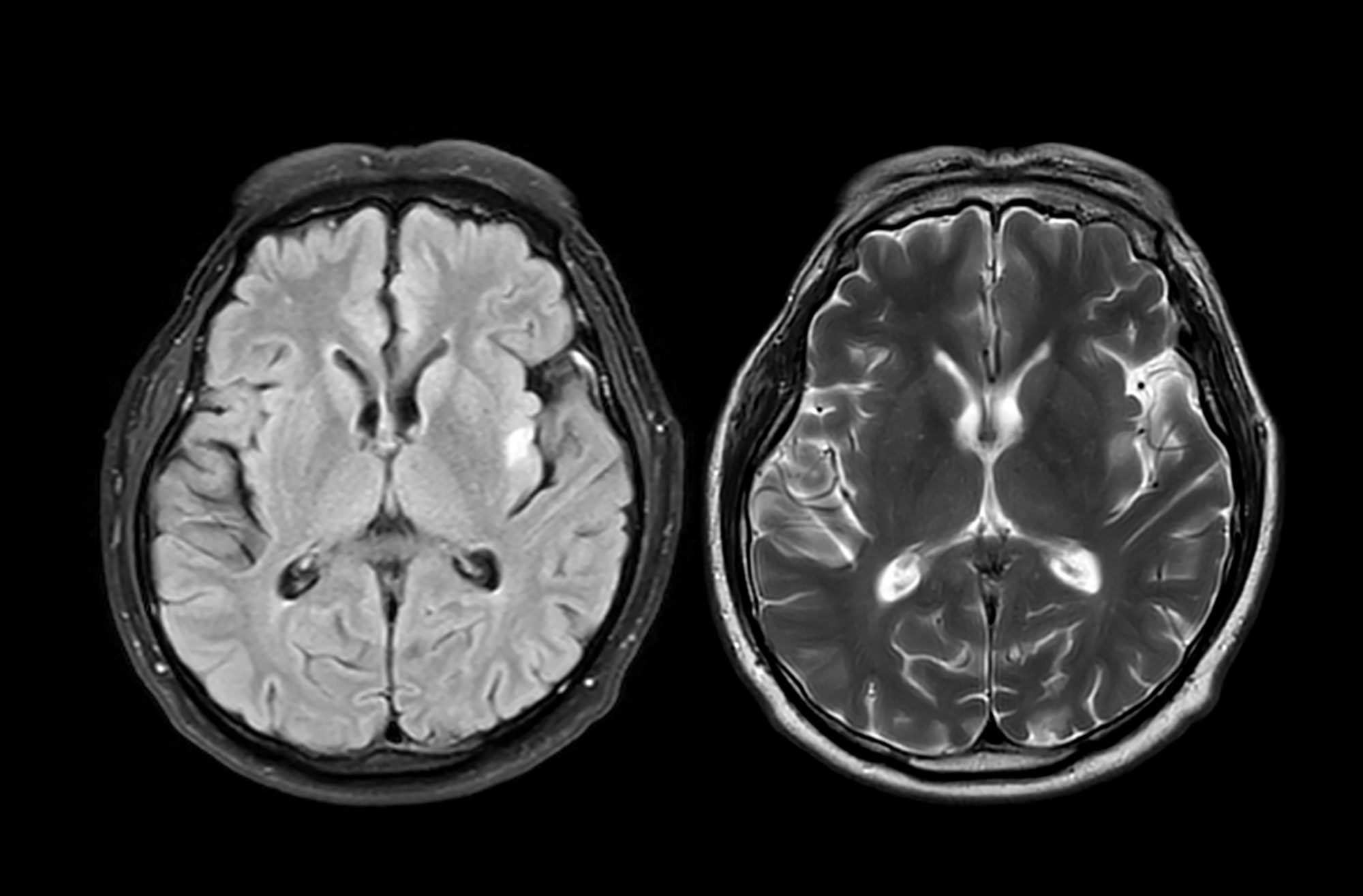
A University of Liverpool study finds people with higher post‑meal blood sugar have a significantly greater risk of developing Alzheimer’s disease
The study shows that higher post-meal blood sugar is strongly linked to a greater risk of Alzheimer’s disease, emphasising the importance of glucose regulation for dementia prevention. Researchers analysed genetic data from over 350,000 UK Biobank participants, linking high post-meal blood sugar to a 69% increased Alzheimer’s risk, regardless of brain size or white matter damage. These findings may guide ways to reduce cognitive decline linked to blood sugar levels.
The study is published in Diabetes, Obesity and Metabolism: Disentangling the relationship between glucose, insulin and brain health: A UK Biobank study – Mason – Diabetes, Obesity and Metabolism – Wiley Online Library.
Understanding the link between glucose and brain health
Research has historically shown that hyperglycaemia, diagnosed type 2 diabetes mellitus, and insulin resistance strongly relate to worse brain health, specifically increasing the risk of cognitive decline and dementias; however, the underlying mechanisms remain poorly understood. The researchers analysed genetic data from individuals aged 40 to 69 and examined markers of how the body processes sugar, including fasting glucose, insulin levels, and blood sugar measured two hours after eating. They used a technique called Mendelian randomisation to explore whether these traits are likely to play a causal role in dementia risk.
Post-meal blood sugar spikes and dementia risk
The researchers found that people with higher post-meal blood sugar (postprandial hyperglycaemia) had a 69% greater risk of developing Alzheimer’s disease. This was not explained by changes in overall brain size or white-matter damage, suggesting the risk may operate through more subtle metabolic mechanisms.
Dr Andrew Mason, lead author, said: “This finding could help shape future prevention strategies, highlighting the importance of managing blood sugar not just overall, but specifically after meals.”
Dr Vicky Garfield, senior author, added: “We first need to replicate these results in other populations and ancestries to confirm the link and better understand the underlying biology. If validated, the study could pave the way for new approaches to reduce dementia risk in people with diabetes.”
The study adds to growing evidence that postprandial blood sugar may be a critical target for interventions. Lifestyle approaches, such as balanced meals, lower glycaemic index foods, and regular physical activity, could help limit spikes in glucose levels. In the longer term, precision medicine and glucose-monitoring technologies may allow healthcare providers to tailor strategies for individuals at highest risk of cognitive decline.