
Can we offset the legacy of coal and produce energy sustainably? Sustainable forest management holds the answers and enables a new form of mining in Asturias
Over the past two centuries, Asturian mines have contributed to 50-70% of the country’s coal production. Both World War I and the energy isolation of Spain in the mid-20th century made coal a strategic resource. Today, for the first time in seventy years, Asturias is consuming more energy than it produces.
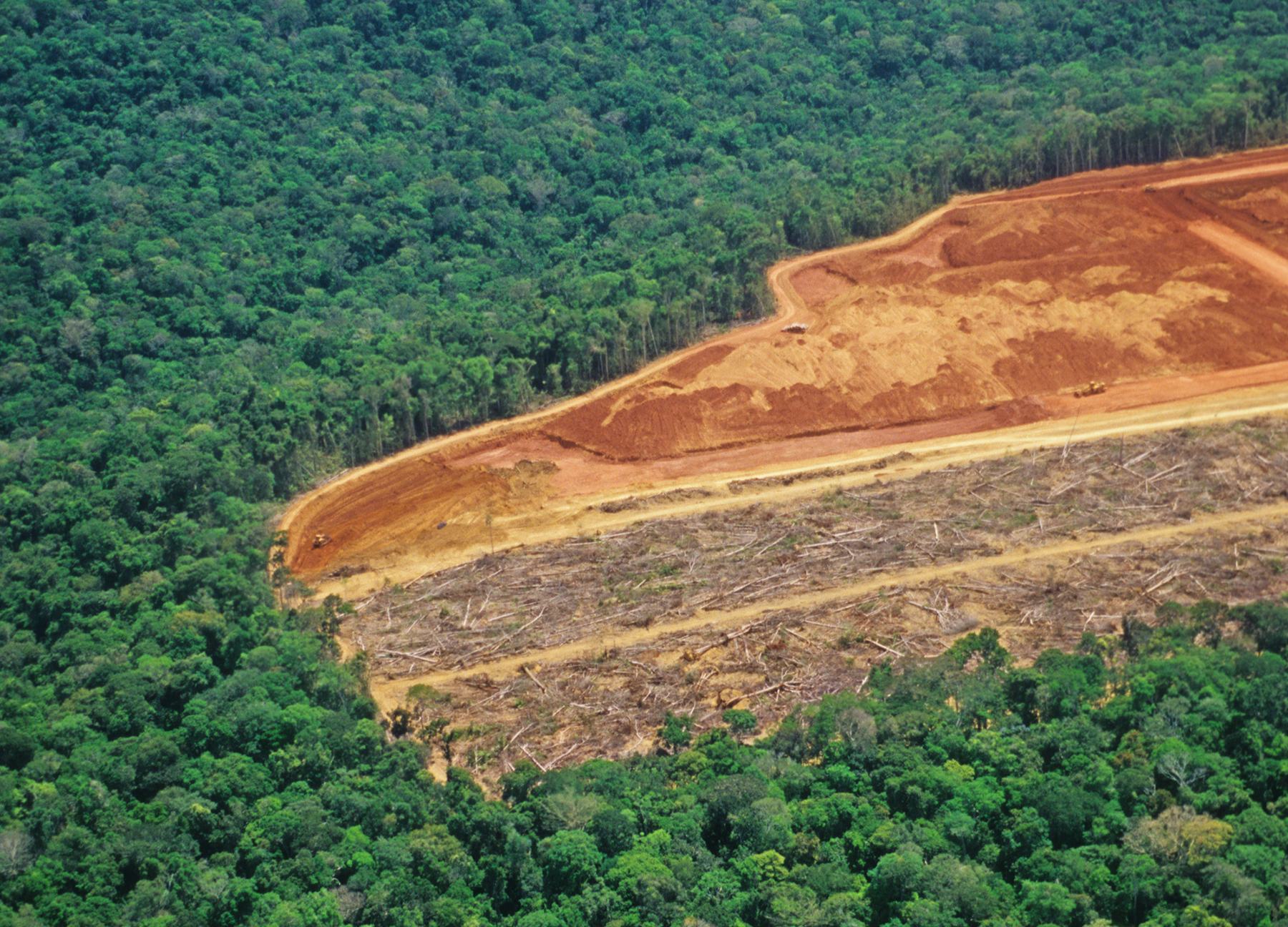
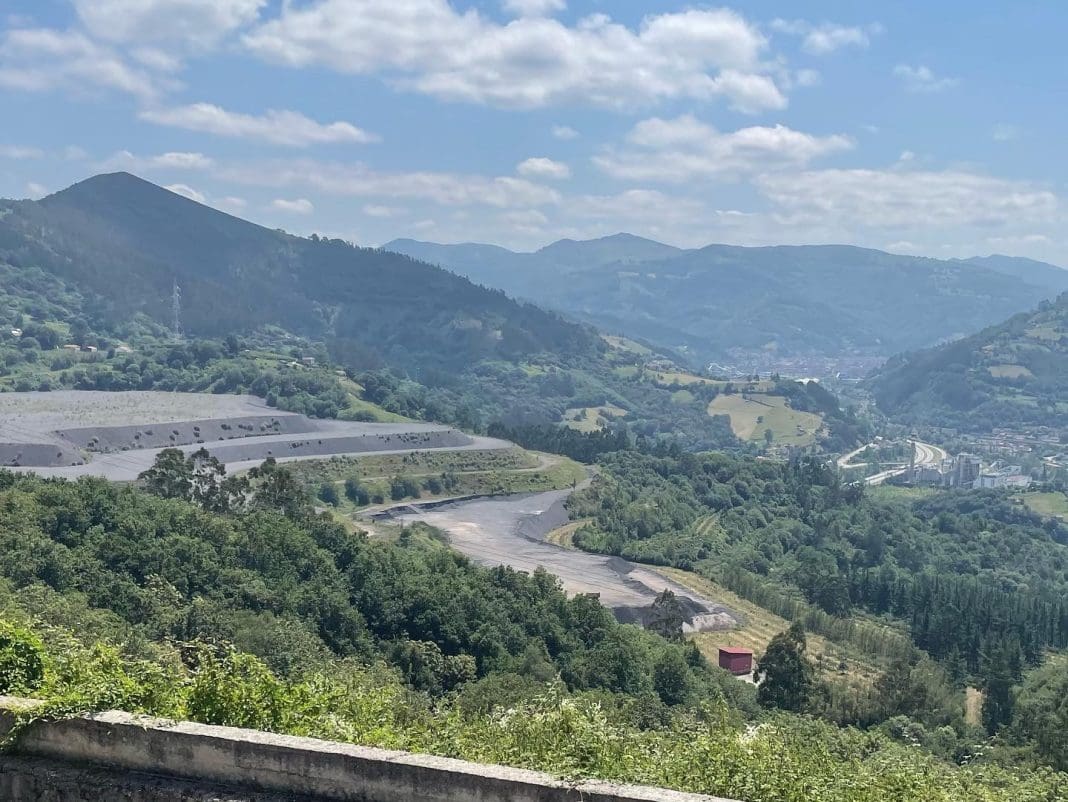
Although the end of mining operations has helped reduce carbon emissions, it has also created sustainability challenges for the region, leading to significant social and economic impacts. Decades of intensive extraction have left a visible legacy of environmental degradation, exacerbated by the largely unregulated use of agroforestry resources historically linked to subsistence-based livelihoods.
Decarbonisation marks the end of one development model while opening the way to new approaches to land management that better reflect current social, economic and environmental priorities. In this context, forests established on former mining sites are gaining relevance in the energy transition due to their capacity to sequester atmospheric CO2.
Sustainable forest management (SFM) contributes to carbon neutrality in former mining areas while supporting a just transition, as outlined within European climate and cohesion policy frameworks. By combining climate mitigation with territorial regeneration and local employment, this approach – commonly referred to as reverse mining – offers a scalable pathway for regions undergoing structural change. The concept of reverse mining as a mechanism supporting just transition processes in mining regions has been previously described in recent analytical publications. (1)
Ecosystem services
Ecosystem services (ES) refer to the benefits that society derives from nature, both directly and indirectly, contributing to the satisfaction of human needs and the improvement of the quality of life. The importance of this concept lies in its ability to frame landscapes from an integrated perspective. (2) Land-use planning that considers the full range of ecosystem benefits is better aligned with societal demands. In this context, the European Union Forest Strategy for 2030 identifies SFM as a key instrument for enhancing ecosystem services, the economic value of which is increasingly recognised.
Carbon markets
Carbon sequestration is a climate- regulating ecosystem service provided by forests to society (3) and underpins the functioning of carbon markets, which structure economic exchanges between CO2 emitters and carbon sinks. Spain has been a pioneer in implementing these mechanisms through carbon footprint registries, promoting compensation schemes based on SFM.
Estimating forest carbon uptake creates a dual economic incentive: emitters are encouraged to reduce their carbon footprint, while forest managers receive financial returns for the services they provide. European carbon certification frameworks recognise not only the environmental integrity of sequestration activities, but also their economic relevance and the additional benefits linked to biodiversity conservation and ecosystem restoration.
Biomass and fires
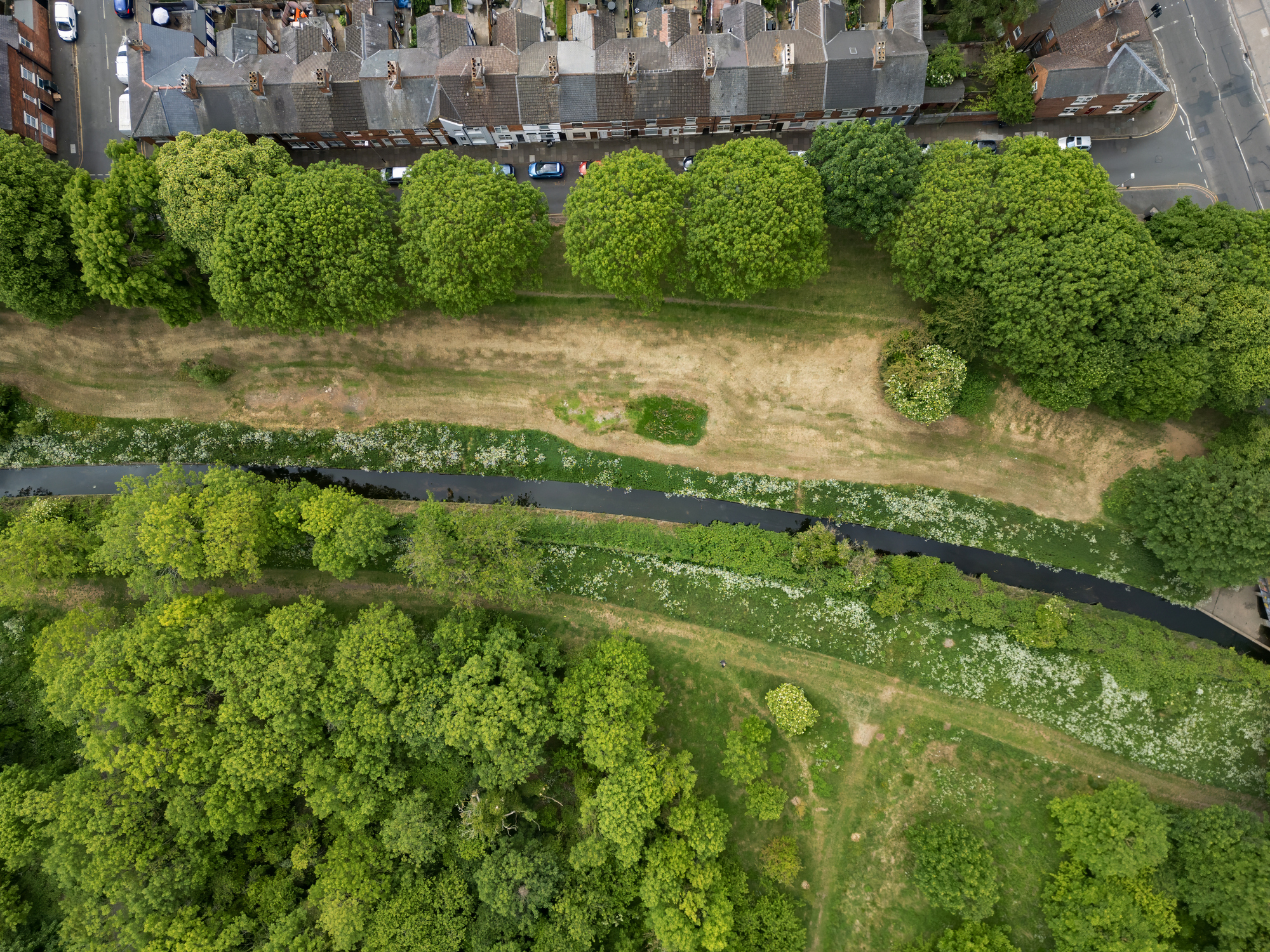
Forest fires release substantial amounts of CO2 into the atmosphere and represent a significant environmental and socioeconomic challenge. The risk of large-scale fires has increased significantly due to changes in landscape structure in Asturias. Traditionally, the region was characterised by a mosaic of forests, grasslands and small settlements. However, rural depopulation and the abandonment of traditional agricultural practices have driven the expansion of unmanaged scrubland, spontaneous forest regeneration and forest plantations, often without coordinated planning frameworks. (4,5)
These processes have led to increased fuel loads and connectivity due to biomass accumulation, increasing fire intensity and spread. From a management perspective, reducing fuel availability is therefore a key preventive strategy. SFM that promotes the use of forest biomass as a renewable energy source delivers clear climate benefits by lowering fire-related emissions and reducing dependence on fossil fuels. (6,7)
Forest ownership and artificial intelligence
Ownership structures strongly influence forest management outcomes. In Asturias, around 40% of forest land, essentially the most productive area, is privately owned, making SFM a key lever for the provision of ecosystem services. However, the predominance of fragmented smallholdings and the limited presence of collective management arrangements represent a significant structural constraint.
The Forest Resources Management Plan of the Principality of Asturias identifies this issue as a strategic challenge, as it limits the implementation of SFM and discourages investment by landowners.
At the same time, emerging opportunities linked to carbon markets and biomass production introduce new potential revenue streams, highlighting the need for effective mechanisms to stimulate private investment. Building trust among landowners requires access to reliable predictive tools that support collective decision-making.
Artificial intelligence and statistical approaches, such as deep learning, are increasingly playing a role in this process. Digital tools based on these methods, such as land-use or productivity maps, allow the potential performance of forest properties to be assessed under different SFM scenarios, providing robust criteria to inform decisions on carbon markets, biomass supply, and other ecosystem services.
The LIFE Carbon2Mine project
This European project (8), coordinated by the University of Oviedo, applies the concept of reverse mining to restore the productive and environmental value of forest systems in former coal-mining areas. It provides forest owners with technical and digital tools to support SFM and the development of carbon- oriented management models. Supported by advances in artificial intelligence, a web-based platform enables the assessment of alternative management scenarios at the property level, including expected environmental and economic outcomes.
From an economic perspective, the provision of ES must generate sufficient returns to compensate landowners. In this context, SFM is designed to optimise carbon uptake (9) and allow forest plots to qualify for official carbon registries. At the same time, local demand for by-products generated through forest management – particularly primary biomass – is strengthened by the conversion of a coal-fired power plant to produce 50 MW of electricity from biomass in the coal-mining basins of Asturias, which is expected to begin operation in 2027.