
A third of young people in the UK experience loneliness linked to screen use. Bridge: A MindSport for All (BAMSA) asks: Could the mind sport bridge provide the much-needed social connection in the Digital Age?
Young people in the UK spend most of their free time on smartphones, with 76% of leisure time devoted to screen-based activities. Whilst some of that time involves social interaction on social media, 34% still report high loneliness.
In the UK and beyond, young people are discovering an unexpected pathway to friendship, confidence, and social connection: the classic card game bridge.
Bridge: A timeless game that develops social skills and friendships
Bridge is unique among games. Players play in two partnerships, and unlike solitary mind sports or team-based games reliant on luck, a high degree of strategic skill and partnership is required to outsmart opponents and win “tricks”.
Whilst reading opponents’ subtle cues is central to many games – especially poker, hence the term ‘poker face’ – in bridge, psychology and strategy are intertwined curiously. Trust, collaboration, and teamwork are built into the very structure of the game as players communicate with each other through the cards, indicating the ‘length’ and ‘strength’ of their card suits.
In our latest research, we interviewed 32 young bridge players from the UK, Europe, Asia, and the United States to learn more about their motivations for playing bridge. We found that the aspect of partnership resonates deeply with young people:
“Teamwork, being able to bond with a partner, being able to forgive each other is really healthy. Not everyone learns this skill. Definitely, it’s something me and my friends have benefitted from”. (Colin, 29)
Young players also report that bridge nurtures their emotional intelligence, empathy, and ability to see others’ perspectives:
“Your ability to have theory of mind, you know, to think about what it is that’s probably happening when that something strange is going on, trying to put yourself in each of the other people’s shoes is a skill that I think a lot of people do lack, especially at young ages”. (Jessica, 31)
Why do young people love bridge?
Young people’s testimonies show that bridge offers everything screens promise – social connection, friendship, community – with fun, mental stimulation, skills development, and personal growth as added benefits. For many, bridge creates a sense of meaning, challenge, and excitement that has a lasting impact. In particular, the mind sport is lauded as an excellent conduit for socialising:
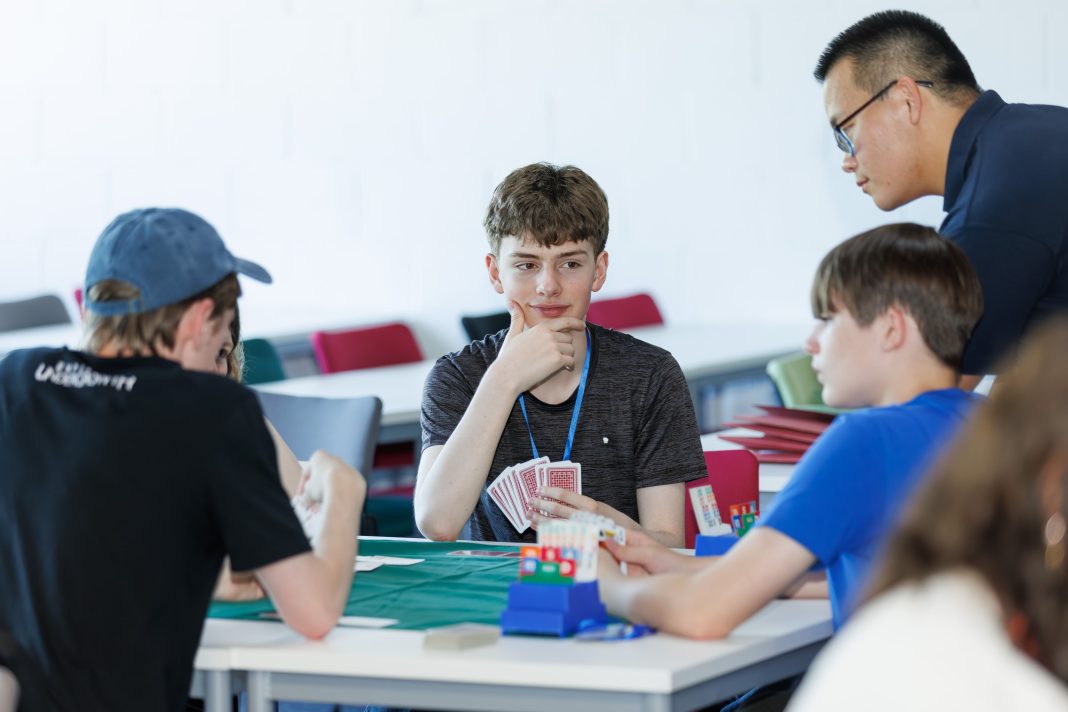
“It’s a useful way of keeping in touch with people. It feels easier to have a routine of going to play bridge and then you get to meet these people again rather than routinely having to schedule a specific meetup with a person. It’s a good vessel for socialising”. (Liam, 28)
This ability to have routine face-to-face interactions, combined with the partnership aspect of bridge, is effective at creating lasting social ties, even surpassing expectations. Reflecting on the positive impact bridge has had on their lives, young people report that the game has facilitated the formation of meaningful friendships, romantic partnerships, and even professional opportunities.
Given the ample opportunities to travel to bridge events and compete in bridge tournaments internationally, the lasting social ties formed by playing bridge often grow to become global communities of practice. This illustrates the potential of bridge to foster comprehensive social frameworks that develop young people’s social and cultural capital, and facilitate cultural exchange and global citizenship.
Watch the video below to see what young people think of bridge
A healthy mix of online and face-to-face bridge for digital natives
As digital natives, many young players regularly use online platforms to learn bridge and practice between face-to- face sessions. Online platforms and apps such as RealBridge, BBO, IntoBridge, FunBridge, Shark Bridge, Tricky Bridge, and Bridge War create a healthy balance between digital and physical interaction. Meeting with bridge partners, mentors, and coaches on online videoconferencing platforms to discuss strategy is also more common since the COVID-19 global pandemic.
In an increasingly digitised world, this hybrid mode of engagement has become the norm, and rather than viewing screens as a primary mode of entertainment or as inherently problematic, young bridge players are demonstrating a more nuanced approach and using technology intentionally.
When speaking to young players, we found that they value quick practise sessions with human and AI opponents for their convenience, and face-to-face play for its social benefits. One young person reflected on this, saying: “Online bridge is really good for convenience and saving time, but when it comes to really enjoying the game fully, face-to- face bridge is better because you get to meet people” (Rhiannon, 20).
We see this as a useful case study for understanding and framing digital well-being. As we rethink our relationship with technology and its impacts on well-being, bridge shows us that the answer isn’t necessarily less technology, but more carefully considered technology use – and more time spent together at the bridge table!