
Dr. Mamata Pandey, Research Scientist at the Saskatchewan Health Authority in Canada shares insights from her Indigenous-partnered health research program, enhancing health
Program overview
The Indigenous Health Research Program is a community-partnered initiative embedded within the Saskatchewan Health Authority (SHA) that advances equitable, culturally responsive healthcare for Indigenous peoples. Led by Dr. Mamata Pandey, Research Scientist, the program has worked collaboratively with Indigenous communities and health system partners for over a decade to inform real-time improvements in healthcare delivery and outcomes.
Strategic alignment and framework
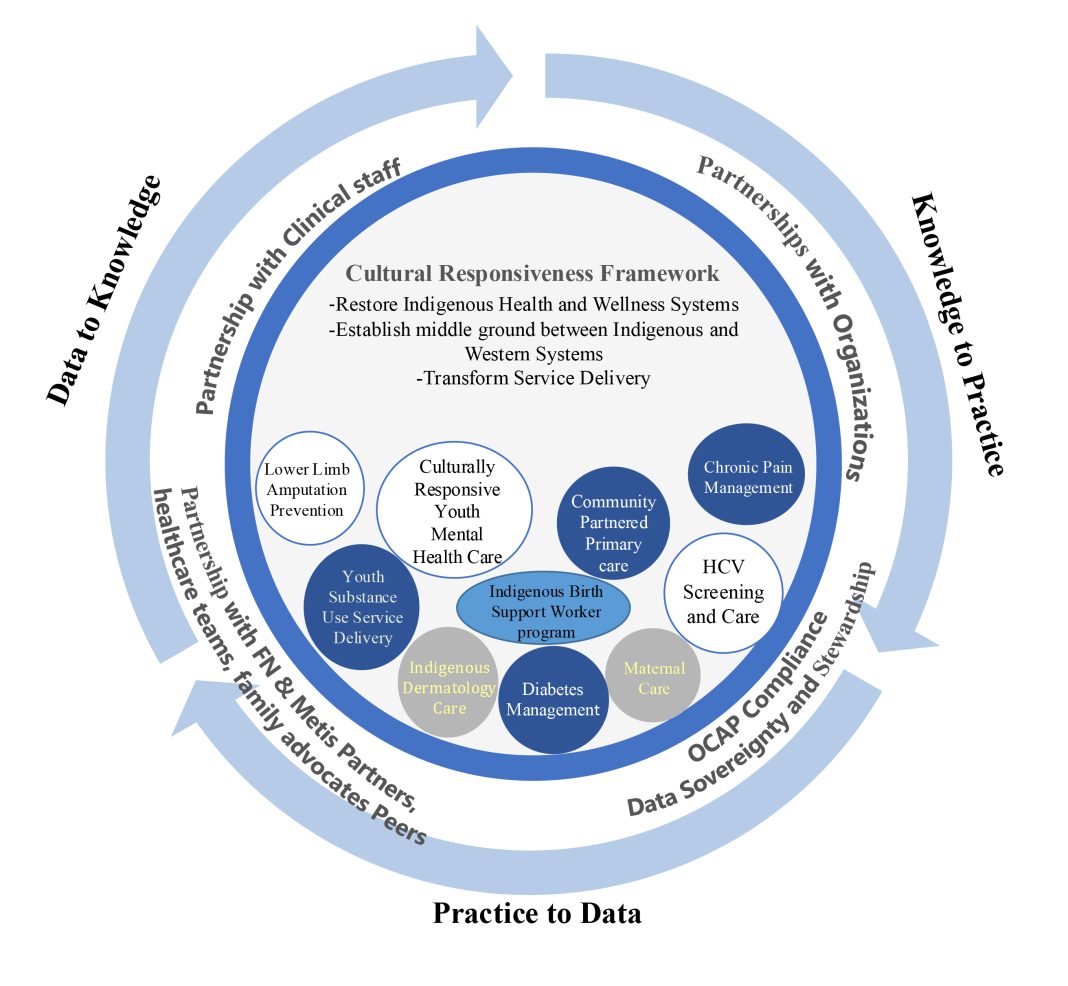
This research program aligns with SHA’s commitment to engaging, consulting, and including Indigenous perspectives in healthcare design and delivery. Guided by the Cultural Responsive Framework (Sasakamoose et al., 2017; Federation of Sovereign Indigenous Nations, 2024), the program creates an ethical foundation for respectful, reciprocal collaboration between Indigenous and non-Indigenous partners. The program engages diverse stakeholders and rights-holders at every stage of research and at the health research decision-making table.
Each project is powered by multi-disciplinary and multi-sectoral research teams consisting of urban clinical teams, provincial and federal health system administrative staff, health policy makers, Indigenous Chief and Council, Elders, Knowledge Keepers, Indigenous healthcare staff, individuals with lived experiences (peers), families, academic health researchers, Indigenous scholars, epidemiologists, and data scientists.
Health research serves as a platform that supports interprofessional collaboration, enabling a comprehensive understanding of emerging health issues. Diverse expertise of all stakeholders is capitalized to co-design interventions and evaluate outcomes, ensuring that each initiative aligns with health system priorities and reflects community needs and values.
Community-centred approach
The initiatives emphasize continuous and meaningful community engagement. Health priorities emerge through collaborative dialogue and are addressed using multi-disciplinary methods that combine Indigenous knowledge and Western evidence-based practice. Over the past decade, projects have focused on several key health priorities, including primary care, chronic disease management, mental health and substance use, sexually transmitted and blood-borne infections, chronic pain, dermatology, and maternal care.
Learning Health System model
Using a Learning Health System cycle, projects follow an iterative process of documenting current and emerging health status, developing and implementing interventions, and evaluating the effectiveness of existing programs. Indigenous ways of knowing and Western research methodologies are combined, ensuring that the information gathered, synthesized, and knowledge created are comprehensive and inclusive of Indigenous worldviews.
Research results are used to document available assets, including existing health infrastructure, healthcare skills and expertise, and healthcare funding. Taking a strength-based approach, the current strengths of the healthcare system are leveraged to engage in a continuous improvement cycle that enhances both system performance and patient experience. Indigenous leadership ensures that the learning process remains community-driven and responsive to local priorities.
Research outcomes have directly informed system-level decisions, improving access to care and service design across Saskatchewan. Health administrators are supported to use evidence from the program to inform data-driven planning and maintain continuous feedback channels with Indigenous communities.
Program impact and reach
- Funding:
- Over the past decade, Dr. Pandey has led and supported several multi-disciplinary teams, securing over $2 million in academic and non- academic funding. Funding provided seed money for the development and implementation of innovative care models and the recruitment of healthcare staff in communities, thereby increasing the range of services offered. Research helped monitor the effectiveness of care models, explore the impact of programs, and gather evidence to advocate for sustainable allocation of health resources.
- Health interventions:
- Several community-partnered health interventions and care models have been developed and implemented to address community health priorities. These care models improved healthcare access, timely diagnosis, linkage to care, and health outcomes. Knowledge translation events, peer-reviewed publications, and community forums ensure that findings are shared widely and transparently, reinforcing reciprocal learning between researchers and communities. Further, feedback received from external content experts helps improve the care models. Some examples of such care models are:
- Liver Health Events:
- An Indigenous community-partnered screening pathway was developed to improve access to Hepatitis C screening, diagnosis and linkage to treatment. The project received national and international recognition, highlighting the community’s strengths and resilience. (Pandey et al, 2021, 2021a and https://inhsu.org/ahtahkakoop/)
- Wellness Wheel Mobile Outreach Clinic:
- A community-driven and community-partnered model of care that focuses on improving primary care access, chronic disease, and diabetes management in First Nation communities (Pandey et al., 2020, 2023a).
- Okawimaw Kanosimowin – Mother’s Bundle:
- A culturally responsive peer-driven initiative was implemented in partnership with Dr. Jolee Sasakamoose, during the COVID-19 pandemic to improve maternal health outcome among Indigenous women. This project was nominated for the Nature Award for Inclusive Health Research-2024.
- Trainees and capacity building:
- The Indigenous Health Research Program plays a vital role in strengthening culturally competent research capacity across the health system. By integrating trainees into community-led and system-embedded projects, the program provides experiential learning in ethical engagement, Indigenous data sovereignty, and cultural safety – skills essential for transforming health systems in alignment with reconciliation and Indigenous self-determination.
Under Dr. Pandey’s leadership, the Indigenous Health Research Program continues to advance the Truth and Reconciliation Commission of Canada’s Calls to Action Health Calls #18 to #24. The Indigenous Health Research Program addresses health inequities through community-driven, evidence-based approaches, supporting the health system’s capacity to enhance culturally responsive, community-partnered healthcare innovation. The program highlights the strengths of the health system, elevates Indigenous voices, and celebrates local strengths.