
Europe has taken significant steps in its space capability and strategic resilience with the successful launch of two Galileo satellites aboard an Ariane 6 rocket
The mission marks the first time Europe’s flagship navigation system has flown on the new-generation launcher, reinforcing Europe’s independent access to space and the long-term robustness of its satellite navigation services.
A milestone launch from French Guiana
The launch took place on 17 December at 06:01 CET from Europe’s Spaceport in Kourou, French Guiana. Two Galileo satellites, designated SAT 33 and SAT 34, were carried into space by Ariane 6 in its two-booster configuration. After a flight lasting just under four hours, both satellites separated successfully from the launcher.
By 10:51 CET, mission controllers confirmed the acquisition of signals from both spacecraft and the successful deployment of their solar arrays. The satellites are now undergoing early operations and in-orbit testing before entering full service.
This mission represents the 14th launch for the Galileo programme and the fifth overall flight of Ariane 6, making it a landmark achievement for Europe’s space sector.
Expanding the Galileo constellation
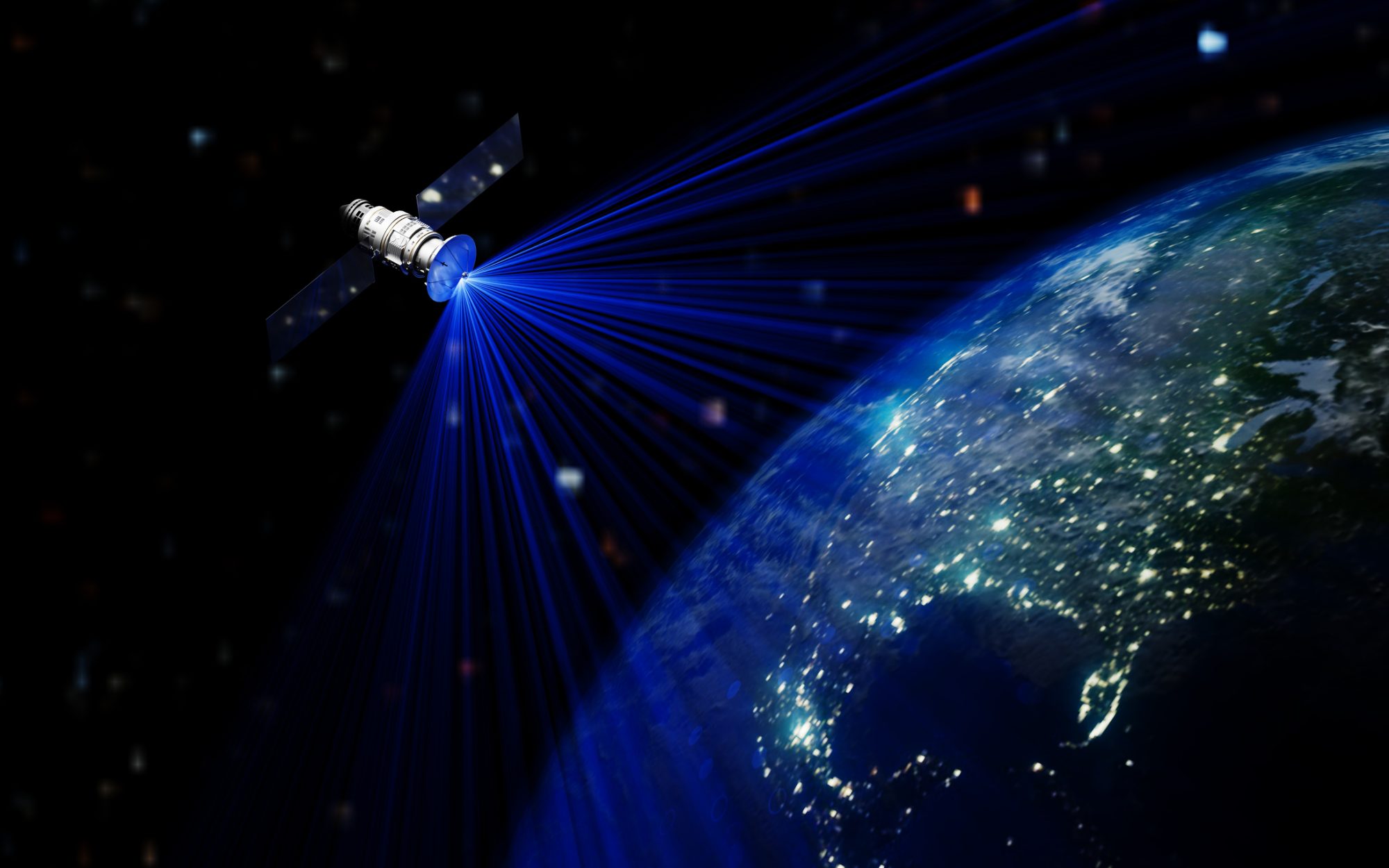
SAT 33 and SAT 34 will join the Galileo constellation in medium Earth orbit at an altitude of approximately 23,222 kilometres. Once operational, they will bring the number of active Galileo satellites to 29, significantly improving coverage, redundancy and reliability.
Galileo provides global positioning, navigation and timing services to billions of users worldwide. Additional satellites strengthen the system’s resilience, ensuring uninterrupted 24/7 service even during maintenance or unexpected outages. With two more first-generation Galileo launches planned, Europe is approaching the completion of its initial satellite fleet.
Precision navigation for a connected world
Since entering operational service in 2016, Galileo has evolved into one of the most comprehensive and accurate satellite navigation systems in the world. Its services support everyday smartphone navigation as well as critical applications across rail, maritime transport, agriculture, financial timing and emergency response.
One of the programme’s most advanced capabilities is the High Accuracy Service, which has been operational since 2023. This service delivers positioning accuracy down to 20 centimetres horizontally and 40 centimetres vertically for authorised users, enabling new possibilities in automation, precision farming and infrastructure monitoring.
With every additional satellite, Galileo enhances both accuracy and availability, strengthening Europe’s role as a global provider of trusted navigation services.
Ariane 6 and Europe’s independent access to space
The mission also highlights the growing role of Ariane 6 as Europe’s heavy-lift launcher. Designed to be modular and versatile, Ariane 6 can support missions ranging from low-Earth orbit deployments to deep-space exploration.
For this flight, the rocket used its two solid P120C boosters alongside a core stage powered by the Vulcain 2.1 engine. The upper stage, driven by the reignitable Vinci engine, conducted two burns to place the Galileo satellites precisely into their target orbit. After deployment, the upper stage moved into a graveyard orbit to minimise space debris.
As Europe approaches the completion of Galileo’s first-generation constellation, preparations are already underway for Galileo Second Generation satellites. These future spacecraft will integrate seamlessly with the current fleet, delivering even greater performance and resilience.
With this successful launch, Europe closes 2025 having strengthened both its navigation infrastructure and its autonomous access to space.