
Skywatchers are expected to see the Geminid meteor shower reach its annual peak this weekend
With the Moon absent for most of the evening hours, conditions are shaping up to be unusually favourable for observing one of the year’s most reliable displays of shooting stars.
A night of cosmic dust and streaking meteors
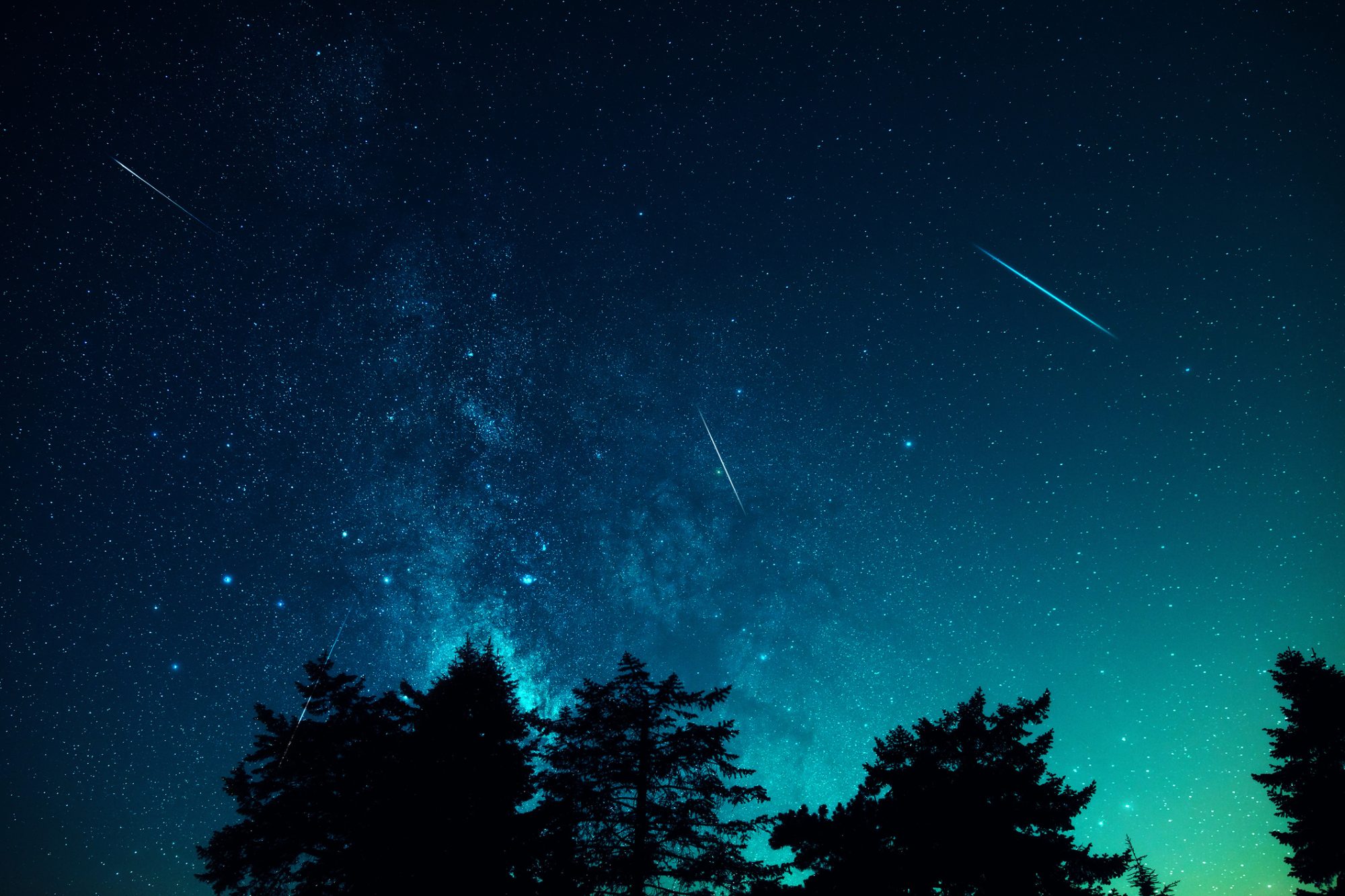
The night sky is not empty; fine grains of dust, shed by comets and asteroids over vast stretches of time, drift silently between the planets. When Earth slams into this material, the flecks burn up high in the atmosphere and momentarily trace bright lines across the darkness.
Most nights, a few of these meteors can be seen by chance, but at specific points in the year, our planet crosses through thicker streams of debris. These denser patches produce meteor showers, each linked to a particular parent body. In August, for instance, Earth encounters the dusty remnants of Comet Swift–Tuttle, giving rise to the well-known Perseids.
In December, the focus falls on the Geminids, created by debris from an unusual asteroid called Phaethon. Unlike the usual icy comet responsible for many showers, Phaethon behaves more like a rocky world, puzzling scientists for years. Yet its dusty trail reliably produces one of the year’s strongest meteor displays.
The Geminid peak arrives on Saturday, 13 December. The Moon will remain below the horizon for much of the evening, preventing its glare from washing out the fainter streaks.
Under dark skies, observers often count dozens of meteors per hour. However, the exact number varies depending on local light pollution, cloud cover, and the amount of the sky visible from your location.
Anyone who is intending on heading outside for 30 minutes or more is likely to see several bright meteors, primarily from suburban or rural areas.
Where to look and what to expect
The Geminids appear to radiate from the constellation Gemini, which rises in the east during the evening. The radiant lies near the bright star Castor, but it isn’t necessary to stare directly at it. In fact, meteors often look more dramatic when seen away from the radiant, as their long, glowing trails stretch across the sky.
Most Geminids are quick, white flashes, but some leave longer-lasting streaks or briefly flare. The shower is known for producing bold, colourful fireballs that momentarily illuminate surrounding stars.
Why scientists are watching
While the Geminids provide an enjoyable spectacle for the public, the dust that creates them is part of a broader scientific effort to understand near-Earth objects. Around the world, organisations monitor large asteroids and comets that occasionally pass close to our planet. In the UK, the National Space Operations Centre and the UK Space Agency play key roles in tracking these bodies and coordinating with international partners.
This monitoring ensures that if an asteroid ever posed a risk, experts would detect it early and respond swiftly. For now, the Geminids offer a harmless reminder of the dynamic environment surrounding Earth.