

Open Access Government produces compelling and informative news, publications, eBooks, and academic research articles for the public and private sector looking at health, diseases & conditions, workplace, research & innovation, digital transformation, government policy, environment, agriculture, energy, transport and more.
Home 2025
Archives
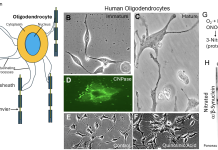
iPSCs and NSCs model newborn brain injury
This article discusses research by Dr. Lee J. Martin and his team on HIE, a leading cause of neonatal mortality. They use human induced pluripotent stem cells (iPSCs) and neural stem cells (NSCs) and emphasize the vulnerability of oligodendrocytes, sharing how these cells can accumulate toxic misfolded proteins, potentially causing severe neural damage and long-term cognitive disabilities in affected infants.
Department of Pathology at the Johns Hopkins University School of Medicine
The Division of Neuropathology is a cornerstone of the Department of Pathology at the Johns Hopkins University School of Medicine, with its historical championing of human clinical neuropathology and large and small animal models of human neuropathology.
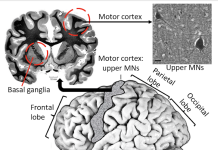
Protecting infants from brain damage: A focus on HIE
Lee J. Martin, PhD from Johns Hopkins University School of Medicine, discusses the pathology of infant hypoxic-ischemic encephalopathy (HIE), and the research he and his team are conducting to understand cell death mechanisms related to HIE and therefore identify new therapies.