
Communities across the UK are expected to gain greater control over their energy futures through a £1 billion investment in locally owned clean power projects under the Local Power Plan
The funding, delivered through Great British Energy’s new Local Power Plan, is the largest public investment in community energy in British history.
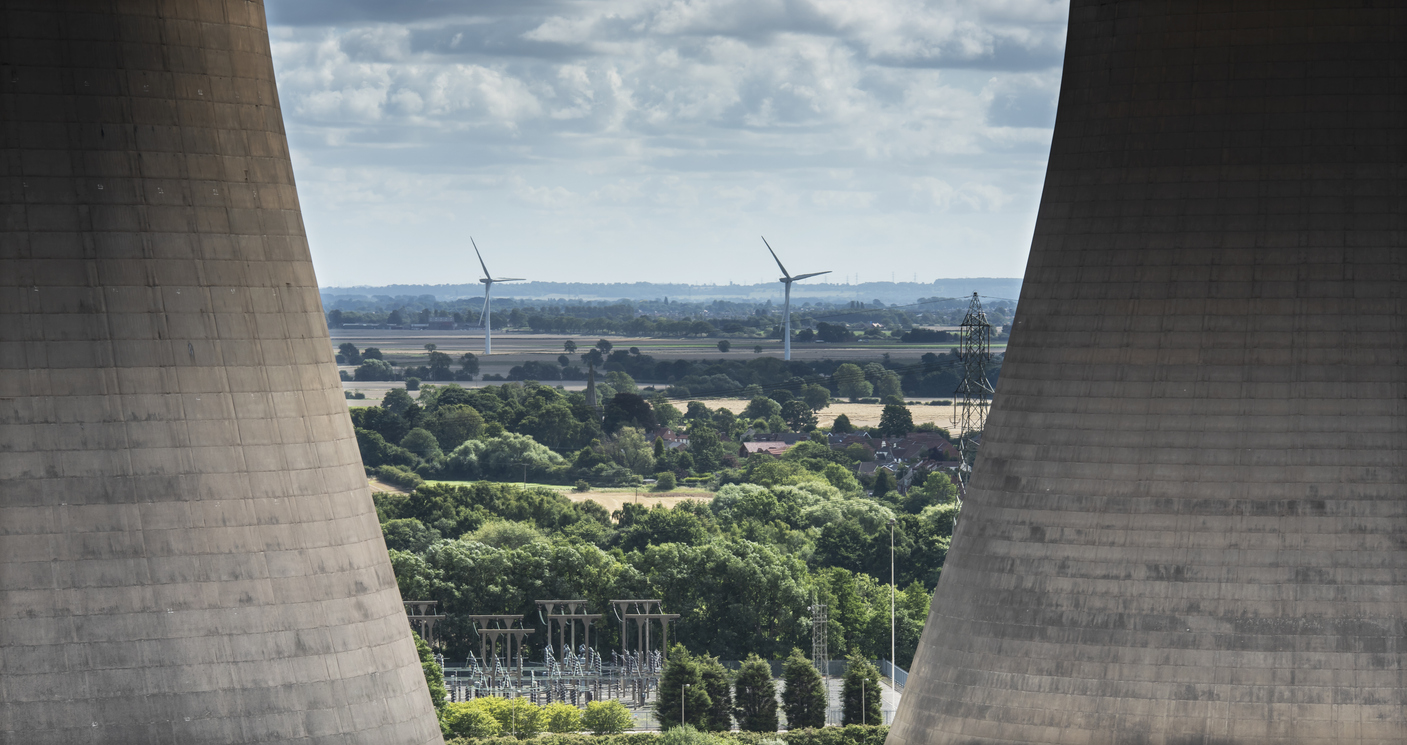
The Local Power Plan aims to help towns, villages and cities develop their own renewable energy schemes from rooftop solar panels on schools and leisure centres to onshore wind, hydro projects and battery storage.
Putting the power in local hands
The Local Power Plan is designed to support up to 1,000 community-led clean energy projects by 2030. Communities, local authorities and co-operatives will be able to access grants and loans, alongside technical and commercial support, to get projects off the ground.
Funding will particularly target areas with historically low uptake of community energy. In addition to direct investment, the plan includes support for building skills across the sector, developing sustainable business models, and exploring regulatory changes that could make shared ownership of renewable projects more common.
Community energy is already well established in countries such as Germany, where a significant proportion of renewable capacity is citizen-owned. In the UK, projects from Bristol to the Isle of Skye have demonstrated how local ownership can generate long-term income while strengthening community pride and cohesion.
Energy Secretary Ed Miliband said:
“Britain’s drive for clean energy is about answering the call for a different kind of economy that works for the many, not just the wealthy and powerful in our society. Local and community energy is at the heart of our government’s vision.”
“With the biggest ever investment in community energy in Britain’s history, this government is saying to every local community: we want you to be able to own and control clean energy so the profits flow into your community not simply out to the big energy companies.”
Cutting bills and supporting local services
A key aim of the Local Power Plan is to reduce energy costs for public buildings and community facilities. Early-stage projects backed by Great British Energy include solar installations on places of worship, schools and heritage buildings, as well as feasibility studies for wind, hydro and heat network schemes.
Through the separate Mayoral Renewable Fund, solar and battery projects across combined authority areas are expected to deliver substantial savings. Schemes involving schools, leisure centres, libraries and public sector buildings are projected to save millions of pounds in energy costs over their lifetimes, easing pressure on local budgets and helping protect frontline services.
Previous investments have already supported renewable upgrades at hundreds of schools, NHS sites and public buildings, reducing bills while increasing clean power generation.
In addition to bill savings, community-owned energy projects are expected to create skilled jobs, support apprenticeships, and stimulate local supply chains. Research suggests that locally owned renewable schemes often generate more employment and reinvest more revenue into their areas than externally owned developments.
The Local Power Plan also aligns with wider ambitions to double the size of the UK’s co-operative sector and revitalise towns and cities through long-term investment. By combining clean energy generation with community ownership, the government aims to build economic resilience, strengthen energy security and give people a direct stake in the transition to net zero.
With applications set to open later this year, communities are being encouraged to register interest and explore how locally owned energy could power both their buildings and their future prosperity.