
Rezina Hakim, Senior Policy Adviser for Digital at NHS Confederation, emphasises the crucial role of digital infrastructure in enhancing the effectiveness of neighbourhood health teams (NHTs) and supporting timely, coordinated, and person-centred care
Neighbourhood health teams (NHTs) are the future of integrated care. They’re a crucial piece of the puzzle, bringing together multidisciplinary teams (MDTs) and local partnerships to both improve patient care and outcomes and make the NHS more productive and financially stable. However, none of this will be achieved without the use of digital infrastructure.
Delivering care at neighbourhood level means cutting out unnecessary travel, improving patient flow, and enabling autonomy and responsibility. All of which are needed to eliminate waste and improve efficiency. But to do this well, local leaders planning and delivering these services need real-time information, seamless communication between them, and easy data sharing. In today’s world, that can only happen effectively through digital platforms and internet-based tools.
Infrastructure foundations
The government’s 10-Year Health Plan rightly commits to shifting more care out of hospitals and into the community, [moving towards prevention and making digital the future] [https://www.nhsconfed.org/publications/ten-year-health-plan-what-you-need-know].
Without digital, we cannot deliver timely, joined-up, person-centred care at scale. It’s what allows multidisciplinary teams to collaborate across settings, what makes shared care planning and mobile access to records feasible, and what supports proactive outreach and early intervention. Digital is the infrastructure that underpins integration, and, as such, must be viewed by leaders locally and nationally, not as a future aspiration, but as a present-day requirement to make neighbourhood working a reality.
Digital leadership in the driving seat
Neighbourhood teams will need experienced digital leaders who understand local context and can champion digital transformation. This means building trust across sectors, aligning digital work with population health goals, and embedding digital tools into care pathways. To make this a reality, the health service needs leadership programmes that focus on digital literacy, change management, and cross-sector collaboration. Clinical and operational leaders must support staff training, monitor digital impact, and ensure governance frameworks include digital KPIs, equity metrics, and mechanisms for community voice.
Leadership must also be visible and confident in navigating the complexity of digital change. It’s not enough to delegate digital to IT teams or transformation leads. It must be owned by those shaping care delivery, with a clear understanding of how digital tools can support continuity, equity, and better outcomes.
Estates centring digital inclusion
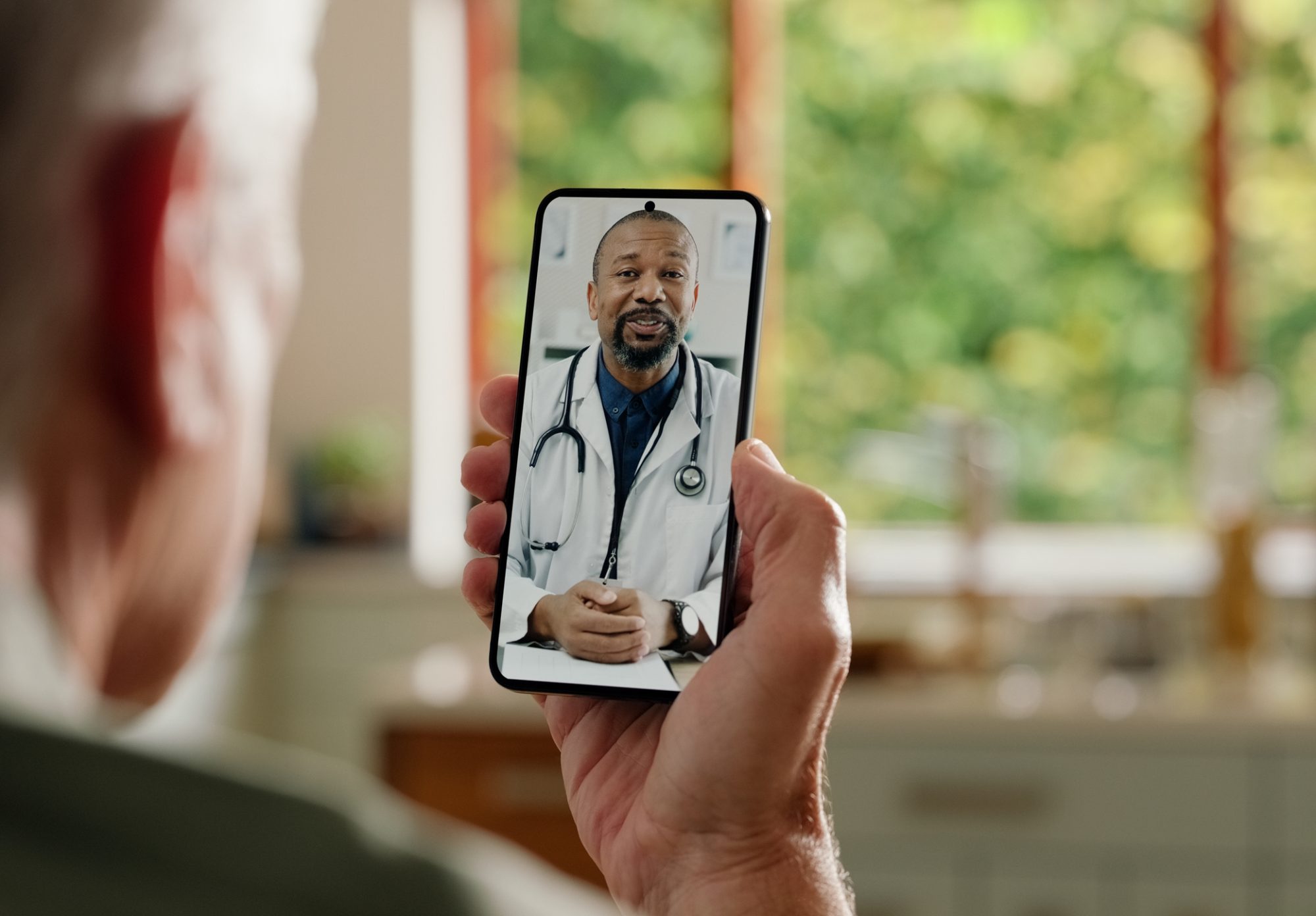
NHS estates play a vital role in enabling neighbourhood working. Neighbourhood teams need modern, adaptable spaces that support co-location of multidisciplinary teams, high-speed connectivity, and confidential virtual consultations. These community-based hubs must be digitally connected to wider NHS systems, equipped for digital inclusion, and designed for outreach and engagement.
Estate planning must align with digital transformation and community access goals, moving beyond bricks and mortar to create spaces that enable digital-first care while remaining inclusive and welcoming. That means central funding is available for a basic kit of secure and fast Wi-Fi, up-to-date devices, functional workspaces, and flexible layouts that support both in-person and remote working.
Data, data, and data
Data is the backbone of neighbourhood working. Population health management (PHM) helps systems and leaders identify who is at risk, what interventions are needed, and where resources should be targeted. Neighbourhood teams must be empowered by the centre and local leaders – and given the right tools – to access and use this essential PHM level data and shared care records, the NHS Federated Data Platform, and real-time data exchange.
The clinical workforce and digital leaders require accurate, usable, and effective dashboards and predictive analytics that provide decision-support tools to inform clinical leadership. Accountability must reside with national leadership, with regional and local governance structures in place to ensure that data is not only collected but also meaningfully applied to improve outcomes at the frontline.
Taking everyone on the journey
Neighbourhood and place-based teams often serve digitally excluded populations and are experienced in delivering care in underserved communities. To enhance and scale to a level of successful NHT, digital inclusion must be built into the model from the start. That means training frontline staff to support digital literacy, providing devices or connectivity for patients, and partnering with local voluntary organisations to reach those who are offline or underserved.
Digital tools must also be designed with inclusion in mind—from language accessibility to user-friendly interfaces. Local senior leaders and strategic commissioners working collaboratively must ensure that digital transformation doesn’t widen inequalities but instead helps close them. Digital inclusion is a core design principle where success relies on real people, community empowerment, and listening.
Neighbourhood working needs digital to succeed. There is national momentum, but the speed and urgency to treat digital as the fundamental infrastructure that underpins everything is still lacking.
National and local leaders must not only fund digital initiatives but also lead by embedding them into every strategic plan, estate plan, workforce strategy, service care model, and health inequality and prevention plan. It means holding each other accountable for data that drives decisions, not dashboards that are underutilised.
The evidence and appetite for NHTs are clear. What’s needed now is bold, visible leadership that puts digital at the heart of neighbourhood care. Digital is not the last piece but the foundation that can make the integration puzzle complete.