

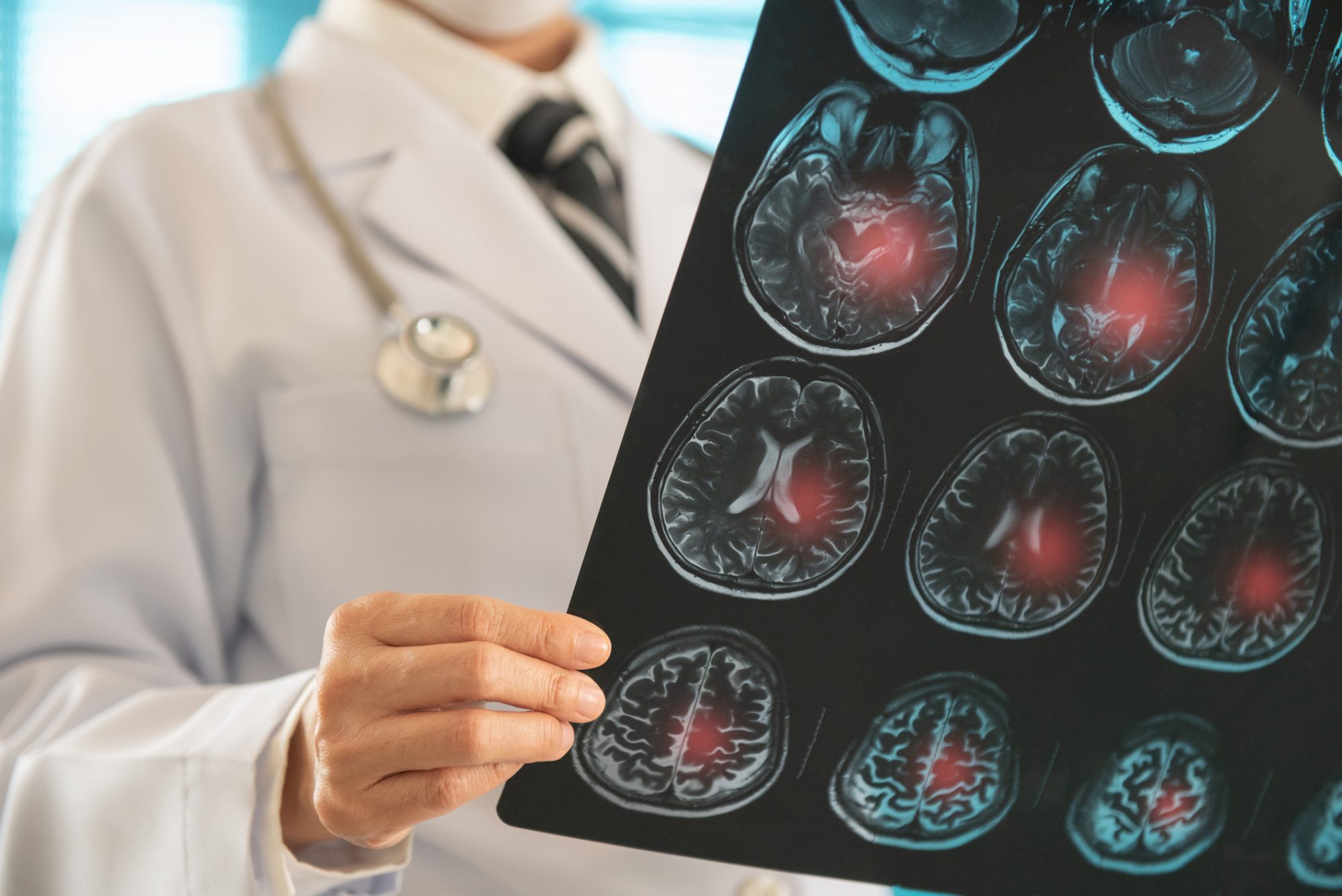
A new AI tool rolled out across 70+ hospitals in England is helping doctors spot deadly clots faster, doubling thrombectomy rates and giving thousands of stroke patients a better shot at recovery
A landmark rollout of AI-powered stroke imaging is transforming care in England: hospitals using the new system are now doubling thrombectomy rates and delivering life-saving treatment more than an hour earlier. The tool, deployed across 70+ NHS hospitals, analyses brain scans in minutes, speeding up critical decisions and boosting patients’ chances of regaining independence after a significant stroke.
The analysis is published in The Lancet Digital Health.
Brainomix 360: New AI tool improving stroke recovery rates
The AI tool, Brainomix 360 Stroke, spots deadly clots in minutes, speeding up clinical decision-making and helping patients access specialist stroke centres quicker. This means patients are more likely to get a thrombectomy, a minimally invasive clot-removing procedure, doubling their chances of regaining independence after a significant stroke. Thrombectomy is a highly sensitive surgery; even a 20-minute delay cuts the possibility of full recovery by around 1%. Many patients arrive too late to benefit from this treatment.
Hospitals using the Brainomix 360 Stroke imaging tool saw thrombectomy rates at participating sites double from 2.3% to 4.6% compared with smaller increases at hospitals not using the AI tool, from 1.6% to 2.6%.
The Brainomix 360 Stroke imaging tool analyses CT scans in real time, identifying key features of a major stroke within minutes. This is particularly valuable in hospitals without on-site neuroradiology expertise, improving treatment rates and transfer times.
Dr David Hargroves, NHS National Clinical Director for Stroke and co-author of this study, said: “This landmark study confirms what we have already been seeing in daily practice: that stroke AI imaging is helping us deliver faster decision-making and better care for our patients.
“This technology supports clinicians to make rapid treatment decisions, which means more patients can receive life- and disability-saving treatments in time – giving them a better chance of returning to independent living.
“This publication provides robust, real-world evidence of the impact of AI in stroke care and shows why the NHS moved quickly to roll this technology out nationwide.”
AI can help speed up diagnosis and improve their recovery
Stroke is one of the leading causes of death and disability in England, and every minute without treatment can destroy millions of brain cells. In England, there are around 80,000 strokes each year, and AI can help speed up diagnosis, and decisions could help thousands more patients receive specialist treatment to improve their recovery.
A real-life example of Brainomix 360 Stroke imaging software is when Jean Hines, aged 83, collapsed at home, suffering a fractured collarbone, and was rushed to the hospital.
A scan was carried out immediately, and the Brainomix AI imaging tool identified a major stroke and the need for urgent specialist treatment. Within 25 minutes of reaching A&E, Jean was taken to a specialist hospital, where she underwent a mechanical thrombectomy.
Jean said, “I feel fortunate. Everything happened so quickly and I know that made all the difference. When I was on the ward, I saw people who had lost their speech or movement, and it really hit me how life-changing a stroke can be. I’m so grateful for the speed of the treatment — I know that’s why I wasn’t left with serious disabilities.”
“Physically, my recovery has been very good, but it was mentally very difficult. It was such a shock, and it’s taking a while to come to terms with what has happened. But people keep telling me how well I look. I know things could have been so much worse if I hadn’t been treated as fast as I was.”