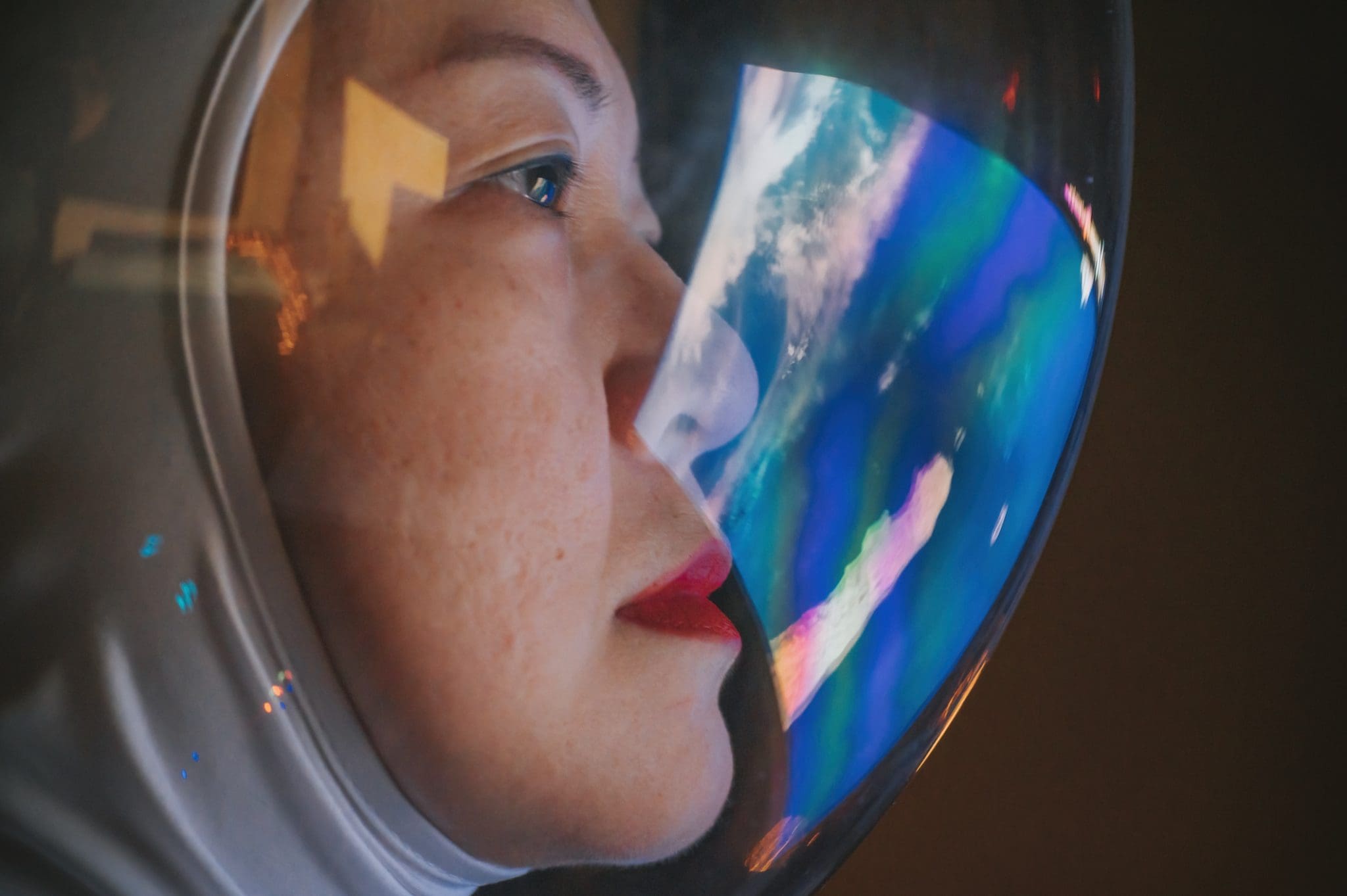
Reproductive health in space: A new study warns that space exploration faces an urgent reproductive health crisis. Experts call for immediate international standards to address the biological risks of radiation and microgravity as humans transition to long-term extraterrestrial living
As commercial spaceflight expands and humans spend longer periods beyond Earth, a new study warns that managing reproductive health is no longer a theoretical concern. Published on 3 February 2026 in Reproductive BioMedicine Online, the report argues that the hostile environment of space poses significant, under explored risks to human biology.
Clinical embryologist Giles Palmer, a lead author of the study, notes that while assisted reproductive technologies (ART) have become highly advanced, there are still no industry-wide standards for space travel. The research emphasises that the collision of space exploration and reproductive science is now a “practical reality” as space becomes a routine workplace for more people.
Biological risks and reproductive health in space
The international team of experts identified several factors in space that are detrimental to healthy reproduction. The primary concerns include:
- Cosmic radiation:
- Exposure can disrupt menstrual cycles in women and increase the risk of cancers. The cumulative effects on male fertility remain a critical knowledge gap.
- Microgravity:
- Altered gravity is known to impair hormonal balance and sperm motility.
- Circadian disruption:
- The lack of a natural day-night cycle can interfere with complex reproductive processes.
While data from short-duration missions have been somewhat reassuring for female astronauts, the study highlights a lack of evidence for long-duration missions. Scientists are calling for new research to guide diagnostic and preventive strategies for those living in extraterrestrial environments.
The role of assisted reproductive technology
The report suggests that existing IVF and cryopreservation technologies could be adapted for use in space. Many current medical tools are already highly automated and portable, making them suitable for the operational demands of orbital laboratories.
However, the authors clarify that their goal is not to promote conception in space, but to safeguard those who travel there. They argue that reproductive medicine often advances in extreme conditions before becoming widely used on Earth.
Ethical and policy blind spots
Beyond the biological challenges, the study raises urgent ethical questions. Currently, there are no clear policies regarding the disclosure of pregnancy during flight, genetic screening for space travellers, or the legal responsibilities of space agencies and private companies.
Senior author and NASA research scientist Dr. Fathi Karouia stated that reproductive health can no longer remain a “policy blind spot.” The report concludes that international collaboration is necessary to establish guidelines that protect both professional astronauts and private citizens, ensuring humanity’s safety as it moves toward a sustained presence beyond Earth.