HomeOpen Access News

Open Access News

NHS staff to train teachers, school nurses and GPs to spot eating disorders

NHS England has launched new guidance and free training so that teachers, school nurses and GPs can better identify early signs of eating disorders in young people, aiming to improve early detection and fast-track specialist support.

Reducing malnutrition in care homes using AI

Possible new tech could help reduce malnutrition, improving overall health in long-term care homes using Artificial Intelligence

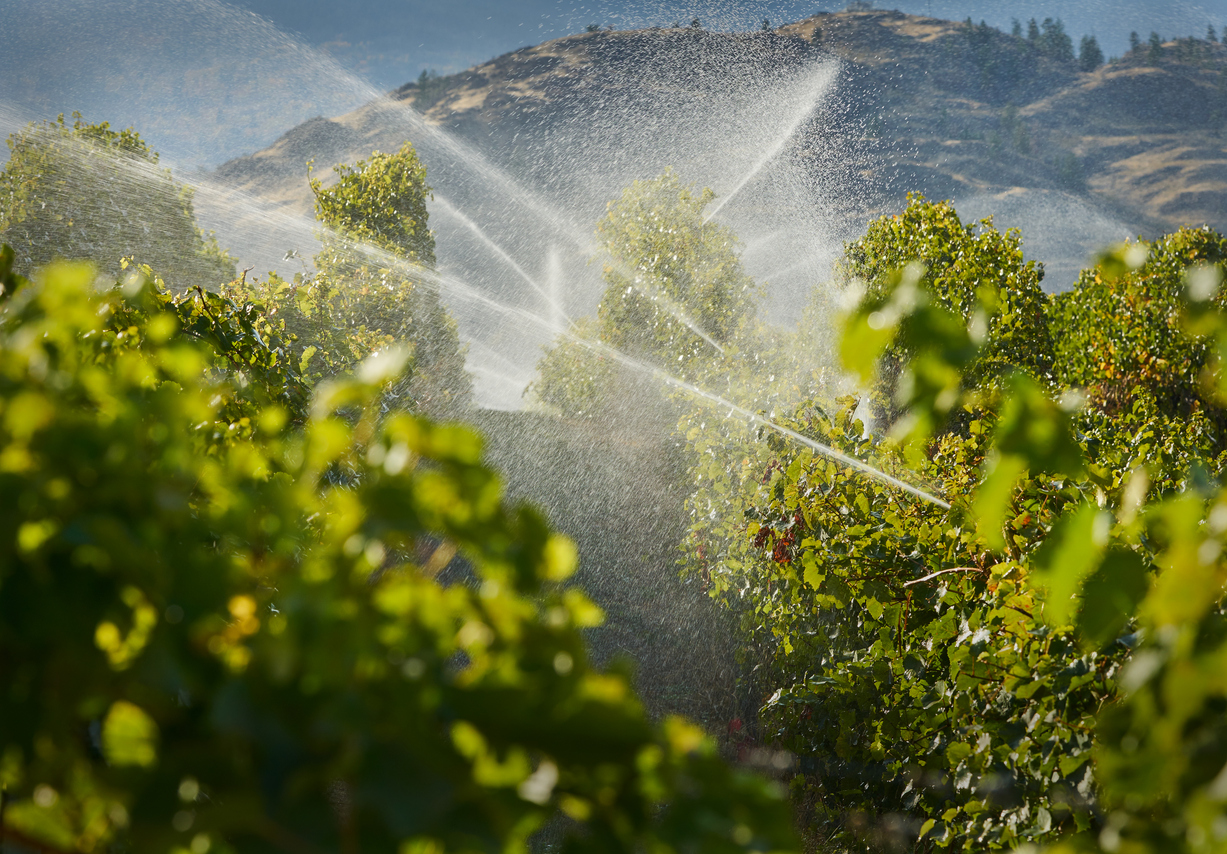
AI soil sensors could minimise fertiliser use in agriculture

Smart sensor AI technology can reduce environmental damage created by fertilisers, allowing farmers to use fertilisers less, and more effectively.

Blood of COVID patients holds new treatment for virus

Scientists have discovered 'nano-bubbles' in the blood of COVID patients -  proteins that can act as decoys for the virus, protecting the organs.

Socioeconomic status linked to post-heart surgery risks

Data reveals that patients with heart disease who come from disadvantaged communities experience more complications after their surgery – including a higher risk of death.

Men at higher risk of “sextortion” since the COVID pandemic

Men, Black and Native American women, and LGBTQ Individuals at high risk of falling victim to online extortion

Drinking can increase risk of heart issues by 23%, even in moderation

Though the UK’s recommended alcohol limit is under 14 units weekly, researchers still suggest less, as the risk of cardiovascular diseases can still be increased by even moderate amounts.

Scientists create artificial muscles from natural materials

At the University of Freiburg, scientists have created artificial muscles from natural proteins - less Dr Frankenstein, more future potential for reconstructive medicine or soft robotics.

NHS opens fourth dose bookings for immunosuppressed people

The NHS has opened bookings for a fourth vaccine dose, to 400,000 severely immunosuppressed people across the country.

Afforestation in temperate rainforests could lessen climate change

As the UK is unlikely to meet its tree target through natural means alone, scientists look at measures of afforestation through natural expansion.

Drug gives 34% protection against lung cancer recurrence

The NHS have gained a new drug, atezolizumab, which can give 34% protection against lung cancer recurrence or death, post-chemotherapy.

£11.6 million available for gender and health inequality research

In Canada, a coalition of organisations are funding £11.6 million (CAD 20 million) into Women RISE - a call for gender and health equality research projects.

New model simplifies resource allocation to slow pandemic

A model developed by Boston University can project COVID housing needs, up to ten days in advance - which can slow the spread of the virus.

Astronomers find “peculiar object” just 4,000 lightyears away

Australian scientists discover a "peculiar object" emitting a giant burst of energy three times an hour, relatively close to Earth.

Wearable technology can detect and control drinking habits

Wearable sensors can help detect when heavy drinking consumption can lead to negative consequences, by measuring levels of intoxication through the skin .

The need for inclusivity within environmental justice

Yale university researchers have called for a more inclusive environmental justice movement for the LGBTQ+ community

Social distancing could protect trees from environmental disasters 

Research suggests less crowded trees have higher chances of survival after fire, insect infestation and the ongoing march of climate change.

Advertisements


Latest Academic Articles

The latest academic articles from key research stakeholders