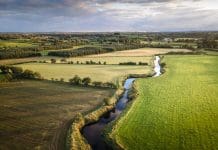

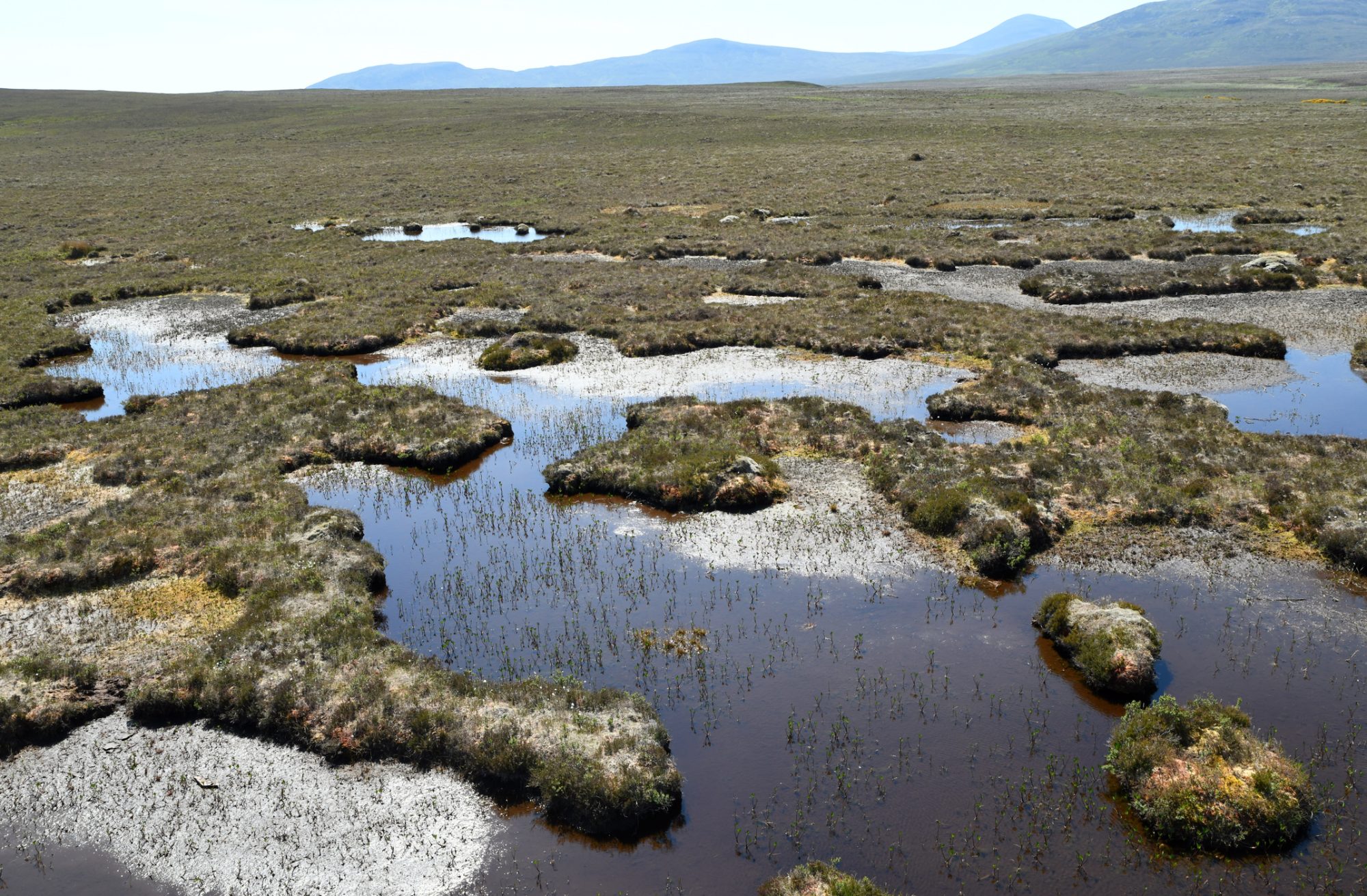
Ireland’s peatlands are among the country’s most important natural assets; they store large amounts of carbon and support unique ecosystems
However, decades of draining for agriculture and peat extraction have left many of these landscapes degraded and emitting greenhouse gases.
A new EU-supported initiative in the Midlands is showing how a different approach to farming can help reverse this trend while creating new opportunities for rural communities.
A new direction for peatland farming
In Ireland’s midlands, the Peatlands for Prosperity project is piloting paludiculture, a land-use system designed specifically for peatlands. Rather than draining land to make it suitable for conventional agriculture, paludiculture works with high water levels, allowing peatlands to remain wet while still being productive.
The project is led by Green Restoration Ireland and supported through EU funding from the Just Transition Fund. Its core aim is to demonstrate that peatland restoration and farming need not be in conflict. Instead, they can be combined in ways that benefit the climate, biodiversity, and local livelihoods.
On-farm trials in wet conditions
At the centre of the initiative are Ireland’s first on-farm paludiculture trials. Two pilot farms are currently taking part, each experimenting with crops that naturally thrive in wet conditions. These include a range of herbs, vegetables and fruits, as well as plant materials suitable for horticulture and even construction uses.
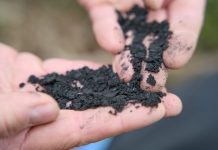
By keeping the peat soils wet, the farms avoid the oxidation that occurs when peat is drained. This significantly reduces carbon dioxide emissions, turning former hotspots of emissions into landscapes that help stabilise the climate. At the same time, farmers gain practical experience in managing water levels, harvesting new crop varieties, and accessing emerging markets.
Supporting farmers through new income models
A big part of the Peatlands for Prosperity project is its focus on economic viability. Moving away from traditional drainage-based farming can be risky, particularly in regions where farm incomes are already under pressure. To address this, the project supports farmers in developing diversified income streams.
One of the most promising options is participation in carbon credit schemes. By rewetting peatlands and avoiding CO₂ emissions, farmers can generate verified climate benefits that may be sold as carbon credits. This creates an additional source of income that complements crop production and reduces reliance on a single farming model.
Climate action and rural development
The project illustrates how climate mitigation can be aligned with rural development. Restored peatlands help Ireland meet its emissions reduction targets while improving water quality and biodiversity. For rural communities, paludiculture offers a way to remain economically active on peat soils that are increasingly unsuitable for conventional agriculture.
The involvement of the Just Transition Fund also shows the social dimension of climate action. Communities historically dependent on peat extraction or drainage-based farming are being supported in their transition to more sustainable land uses without losing their economic base.
While still at an early stage, the Peatlands for Prosperity project is generating valuable insights into how paludiculture could be scaled up across Ireland. Lessons from the pilot farms will inform future policy, advisory services, and funding models.
As pressure grows to reduce agricultural emissions and restore degraded ecosystems, farming with water may become an increasingly important part of Ireland’s rural landscape. The Midlands trials suggest that, with the right support, peatlands can become a source of prosperity rather than a climate burden.