

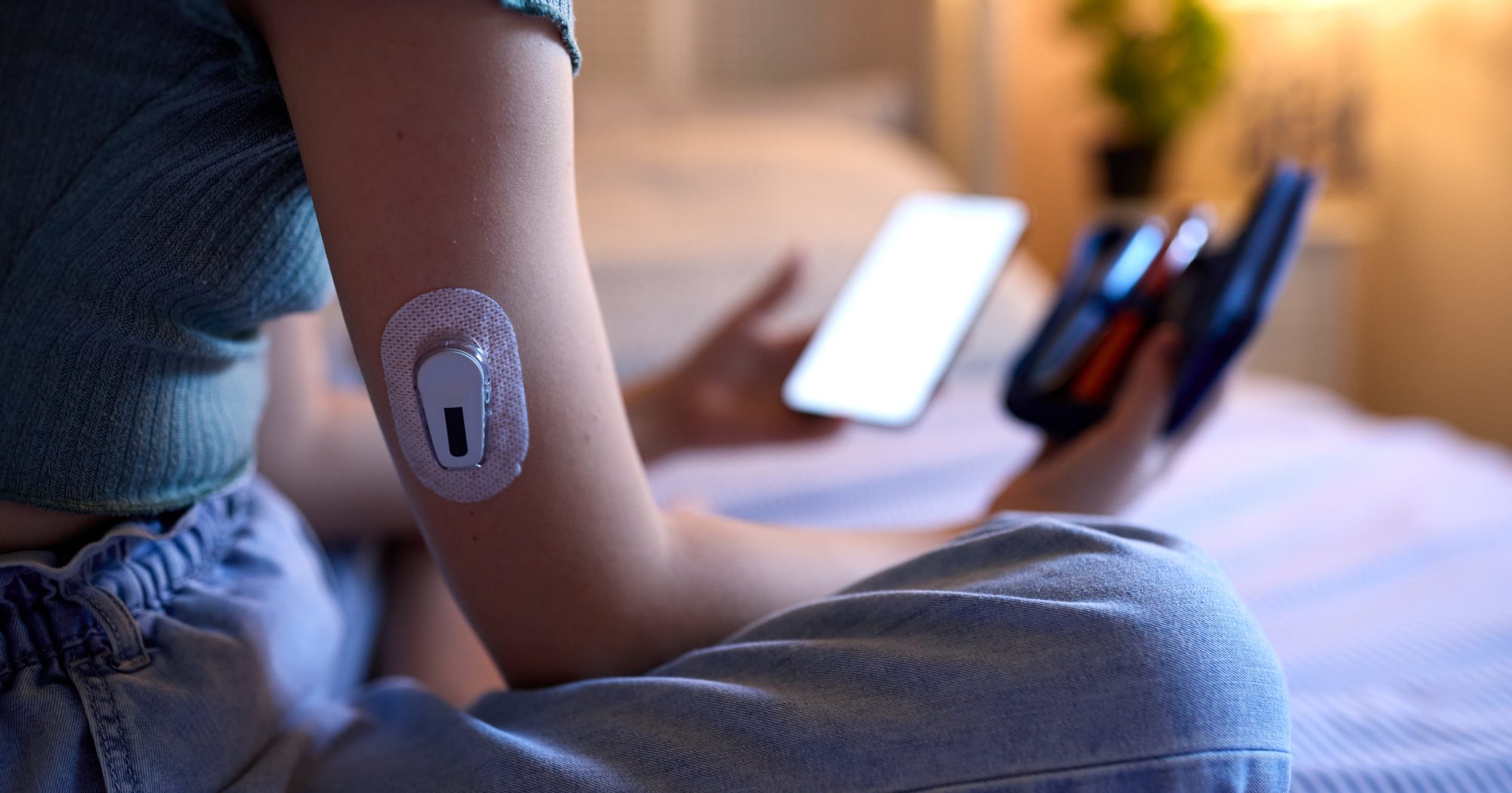
Superintendent Pharmacist James O’Loan outlines the everyday challenges faced by individuals living with diabetes and how improvements in digital health are helping to improve management and care
Every day, I work with people living with diabetes. I’ve seen the remarkable progress we’ve made with technology, and I’ve also seen the challenges that remain. With over 4.6 million people in the UK living with diabetes, (1) finding better ways to support day-to-day self-management has never been more urgent.
The realities of living with diabetes
Clinical guidelines give us a clear framework for care, but life rarely follows a neat set of rules. Tracking carbohydrates, for example, isn’t as simple as reading a food label. Stress levels, meal timing and even the ripeness of a piece of fruit can all influence blood sugar in ways that surprise people. Working out the right insulin dose can be just as complex. A morning run might need a different approach than an evening walk, and for someone newly diagnosed or juggling a busy life, those adjustments can feel daunting.
Social occasions bring their own set of challenges. Dining out, work events and celebrations can create anxiety about food choices and timing your medication. Alcohol can be particularly unpredictable.
Travel can compound these problems; new foods, altered schedules and language barriers can make managing medication harder. Some people also feel self-conscious about injecting insulin in public, leading to skipped or delayed doses, a small decision that can have significant health consequences.
Then there’s the mental load. The constant need to think ahead, check readings and stay vigilant can lead to ‘diabetes burnout,’ a real emotional consequence that can seriously affect a patient’s wellbeing and consistency in self-care.
How technology is changing the game
In recent years, diabetes care has been transformed, especially by advances in glucose monitoring.
Where finger-prick checks used to be the only option, Continuous Glucose Monitors (CGMs) now provide real-time readings with alerts for highs and lows.
This isn’t just about convenience. CGMs help people see patterns, respond in the moment and make decisions based on a fuller picture, not just a few snapshots. Many patients tell me the confidence it gives them is life-changing.
Paired with smartphones, these devices can log meals, track activity and even reveal how things like stress and poor sleep affect glucose levels. Many years ago, these insights just weren’t available with manual tests.
The ability to share data with healthcare teams is another big step forward. It makes remote monitoring and personalised advice easier, which is a real boon for those who struggle to attend regular appointments.
Looking ahead: The future of digital health in diabetes
The next five years hold enormous potential. With type 2 diabetes on the rise and NHS staffing stretched, digital tools can give people with diabetes more options in their care while easing pressure on services.
I expect CGMs and insulin pumps to get smaller, smarter and more affordable. Artificial Intelligence could soon deliver real-time, personalised advice, adjusting recommendations to match someone’s lifestyle and activity. These AI systems could learn individual patterns, recognising that someone’s glucose typically spikes during Monday morning meetings due to stress, or drops after their weekend football match.
Telehealth and remote monitoring will keep growing, too. I hope this will bring more specialist care to people who live far from clinics or have difficulty travelling. Online training will help more healthcare professionals upskill, ensuring patients get consistent, up-to-date support wherever they are.
Perhaps most exciting is the push towards prevention. Wearables and digital screening tools could help flag risks earlier, giving people the chance to take action before complications develop.
Closing the gaps
Innovation only matters if everyone can access it. Right now, many digital solutions aren’t fully integrated into the NHS, creating patchy and inconsistent care.
The ‘digital divide’ is real. People with limited digital skills, unreliable internet or fewer financial resources risk missing out. That’s a problem we must address if we want technology to reduce the country’s health inequalities.
There’s also a significant gap in how we evaluate these digital tools. While clinical research uses well-established measures, we’re not applying the same rigorous standards when assessing digital health solutions in practice.
Without consistent standards across different agencies and healthcare systems, comparing digital solutions becomes nearly impossible. Healthcare providers struggle to make evidence-based recommendations, and those making funding decisions lack the clear data they need to choose the most effective options.
Moving forward together
The future of diabetes care depends on more than technology; it depends on making that technology accessible, effective and integrated into person-centred care. That means collaboration between tech companies, healthcare providers, policymakers and, most importantly, people living with diabetes.
As pharmacy professionals, we’re in a unique position to bridge the gap between innovation and everyday life. By staying informed, advocating for inclusive design and guiding people through the practical realities of managing diabetes, we can help ensure these advances lead to real, lasting improvements in health.