
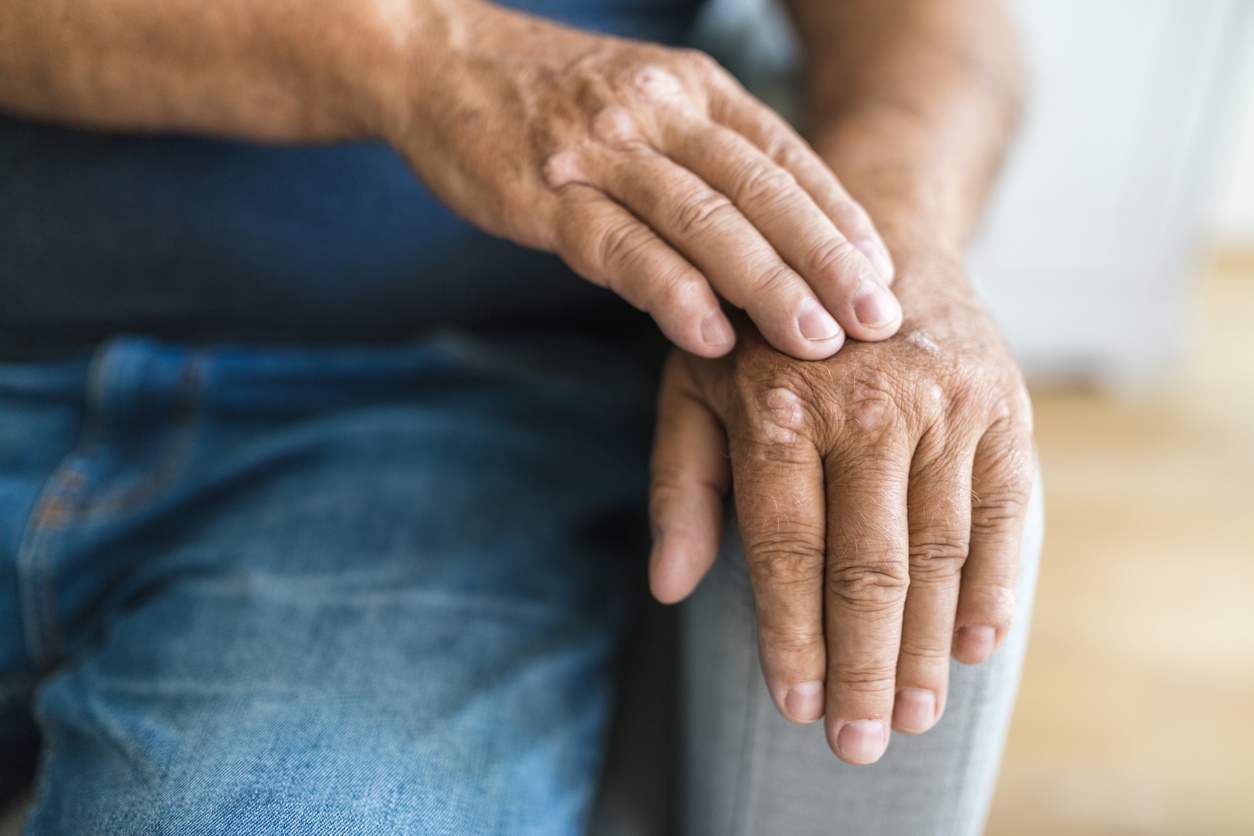
UK & Italian researchers launch ARCADIA consortium with £3m funding to define true remission and help children and adults with inflammatory arthritis live drug‑free
World‑leading researchers from the UK and Italy have launched the ARCADIA consortium, backed by £3 million from Arthritis UK, to tackle a key challenge in inflammatory arthritis: accurately identifying when remission has truly been achieved. This pivotal study aims to develop tools to guide safe medication withdrawal and ultimately help children and adults with arthritis achieve long‑lasting, drug‑free remission.
The challenge of defining remission in inflammatory arthritis
Inflammatory arthritis affects more than one in 100 people, including in childhood and adolescence. The disease impacts daily life negatively and can lead to long-term disability. It occurs when the immune system mistakenly attacks the joints, causing swelling, stiffness, and pain.
Currently, there is no accurate biological test for determining when a patient with inflammatory arthritis is truly in disease-free remission. This can lead to clinicians and patients making treatment decisions without having a full picture of whether their arthritis has resolved in the joints; as a result, patients may remain on unnecessary treatment plans.
Now, researchers and clinicians, from the Universities of Birmingham, Bristol, Glasgow, Liverpool, Newcastle, and Oxford, alongside University College London, Great Ormond Street Hospital, King’s College London, and Università Cattolica del Sacro Cuore, aim to undertake clinical studies to accurately determine the true absence of disease.
A patient-centered approach to redefining remission
The ARCADIA consortium was established to seek long-term freedom from inflammatory arthritis for patients. Patients outlined their frustration that symptoms such as pain and fatigue persist despite treatment, reported side effects of long-term treatment, and highlighted fears over when it is safe to stop treatment.
The research team will use the data generated to develop tools to accurately determine the risk of relapse, allowing patients and physicians to make informed treatment decisions. Patients will be recruited in the UK and Rome, allowing researchers to analyse tissue samples to understand differences between diseased and healthy joints and to investigate how to restore diseased tissue to a healthy state.
Professor Adam Croft, principal investigator of the study, commented: “Many people with inflammatory arthritis undertake treatment, usually for many years, to control their disease. Increasingly, these drugs eliminate the noticeable symptoms of arthritis, and this is often called remission. However, we know that many people who are in remission and stop their medications quickly experience a relapse. This suggests that current drugs fail to alter the underlying causes of disease, and that the causes of disease remain present even in the absence of troublesome symptoms. Therefore, we believe the current definition of remission is not fit for guiding treatment decisions.”
Athimalaipet Ramanan, Honorary Professor at Bristol Medical School: Translational Health Sciences (THS) and Consultant Paediatric Rheumatologist at Bristol Royal Hospital for Children, said: “As part of ARCADIA, this grant will enable us to look at precision medicine in children with arthritis. Using our clinical trials expertise in Bristol, we will work closely with industry to deliver novel therapies using adaptive design for children with arthritis and uveitis. Dr Christine Chew, Academic Clinical Fellow in Paediatric Rheumatology at the University, will look at novel biomarkers to predict response in children treated with these novel agents.”
Deborah Alsina MBE, chief executive of Arthritis UK, which is funding the consortium, said the charity was grateful to be able to play its part in bringing together a dream team to undertake this pivotal piece of research.
She said: “The crux of the matter is we still lack an understanding of the root causes of inflammatory arthritis, which is not only impeding our ability to define remission, but also our ability to find a cure. While there have been significant advances in treatment with the discovery of biologics in recent decades, we are still treating symptoms. To put it another way, it is like spraying the weeds in the garden, but the roots remain out of sight in the soil.
“We are fortunate to have brought together world-leading experts in their field to undertake this foundational piece of research, which will transform our understanding of inflammatory arthritis and create a springboard for researchers worldwide into new treatments.”