
Worsening drought in East Africa is putting millions of lives and livelihoods at risk, with Somalia, southeastern Ethiopia and eastern Kenya facing some of the harshest conditions
According to the latest analysis from the Global Drought Observatory, drought conditions that began in September 2025 have intensified due to scarce rainfall and unusually high temperatures, triggering widespread crop losses, livestock deaths and rising food insecurity.
As of January 2026, an estimated 4.6 million people are already affected across the region, and more than 135,000 people have been displaced in Somalia alone. Humanitarian agencies warn that the situation could deteriorate further in the coming months if rainfall remains insufficient.
Crops, livestock and livelihoods under pressure
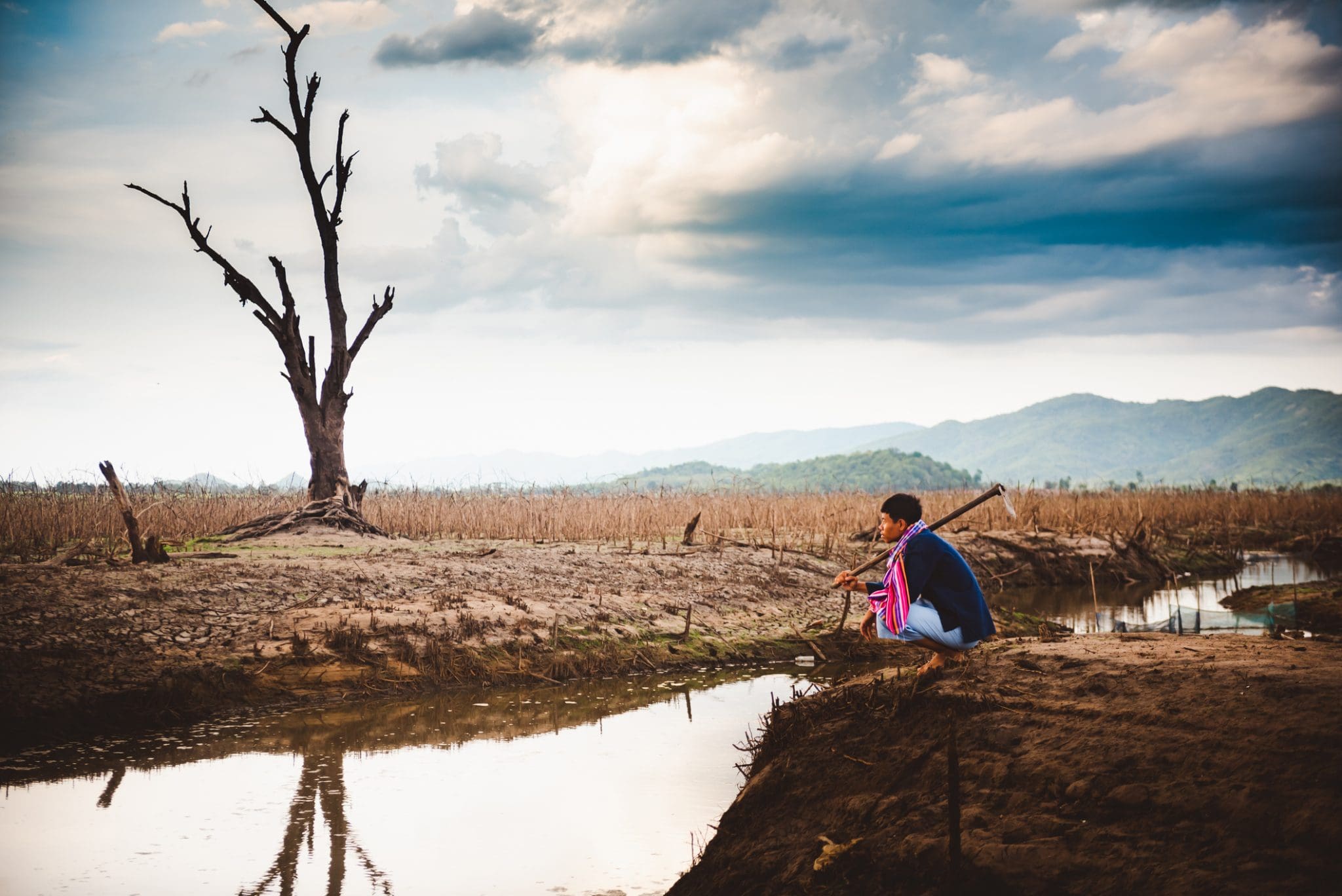
The ongoing lack of rainfall has left soil moisture at critically low levels, severely impacting vegetation growth. Farmers across affected areas are reporting significant crop failures, while pastoral communities are struggling to keep livestock alive as grazing land dries up and water sources disappear.
High temperatures have also worsened the situation. In December 2025, much of East Africa experienced warmer-than-average conditions, with temperature anomalies exceeding 2 °C above the long-term average in parts of northeastern Kenya, southern Ethiopia, and southwestern Somalia. These conditions accelerate evaporation, further depleting already limited soil moisture and water reserves.
Livestock mortality has also risen sharply, undermining food availability and household incomes. For many families, the loss of animals removes their primary source of nutrition, income and resilience against future shocks.
Food insecurity reaches emergency levels
Data from the Famine Early Warning Systems Network suggest that food insecurity in Somalia, Ethiopia and Kenya had reached emergency levels by January 2026.
Staple food prices, particularly cereals, have reached record highs, making basic nutrition increasingly unaffordable for vulnerable households.
Children are among the most affected. Rates of acute malnutrition are rising across the region as families reduce meal sizes or skip meals altogether. Health services, already stretched, are struggling to cope with the growing needs of malnourished children and pregnant women.
Displacement is also increasing as people leave rural areas in search of food, water and assistance. In Somalia, ongoing displacement is compounding existing humanitarian challenges linked to conflict, fragile infrastructure and limited access to basic services.
Uncertain outlook for the months ahead
Seasonal forecasts for East Africa remain highly uncertain. Different climate scenarios could lead to vastly different outcomes, ranging from partial recovery to continued deterioration. However, current indicators suggest that the drought is likely to persist, prolonging its impact on agriculture and food security.
The Standardised Precipitation Evapotranspiration Index shows severe deficits over six months ending in December 2025, highlighting the cumulative effect of low rainfall and high temperatures. Without sustained rainfall, soil moisture levels are unlikely to recover in the short term.
Monitoring and early warning efforts continue
The drought assessment uses data from the European and Global Drought Observatories, operated under the Copernicus Emergency Management Service.
These systems are important for tracking drought conditions, assessing impacts and supporting early warning efforts worldwide.
As the humanitarian crisis worsens, the correct information and coordinated response efforts will be essential to prevent further loss of life and livelihoods. Aid agencies and regional authorities face mounting pressure to scale up assistance before conditions worsen even further across East Africa.