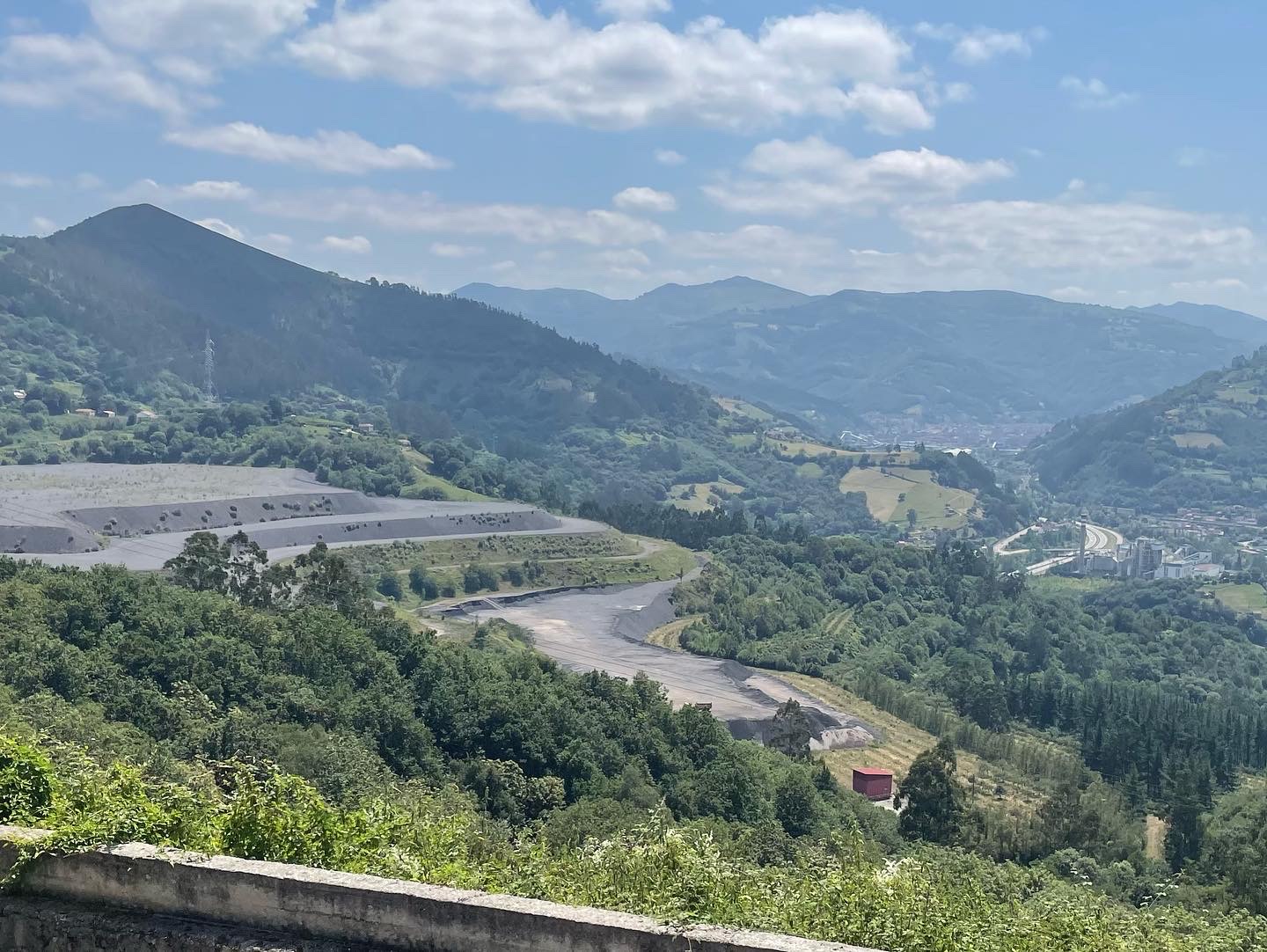
Peter Glanville and Emily Owen, Principal Hydrologist Consulting, explore why catchment scale thinking can trickle down for water resilience solutions across the European Union.
61% of adults experience feelings of green guilt for the environmental impact of their job - does this mean sustainability could become a factor when choosing jobs?
In this article, Opus Energy, renewable energy provider to businesses, shares its simple tips and tricks on how to cultivate a more sustainable business environment.
Here, Dr Steven Running dives into the questions of Net Primary Product and ongoing climate change, to illuminate what the global limits of the biosphere are.
Here, Dag Kirschke, Wind Energy Segment Owner for composite manufacturer Exel Composites, explains the demand for wind energy and why composite materials are the answer to producing powerful and efficient turbines .
Scientists speak out on why climate change impacts the decline of British butterflies and moths, such as Silver-studded Blue and High Brown Fritillary butterflies.
Almost half a million Rainbows, Brownies, Guides, Rangers and volunteers across the UK are calling on the government to join their #PlasticPromise campaign.
Shaun Gomm, Director at Sigma, discusses how design could be killing the planet: touching on sustainable development, tech and our 2050 goals for change.
APHIS, part of the USDA, is using a risk-based approach to protect U.S. agriculture from potentially devastating plant pests and diseases, as we discover here.