
Venous leg ulcers represent a significant socioeconomic burden, costing the NHS over £3 billion each year. These ulcers can lead to life-altering challenges for patients, impacting both their mental and physical health. Lorna Rothery spoke with Professor Dan Carradice, a specialist in vascular surgery, about why early treatment must be a national priority
What is the prevalence of venous leg ulcers, and what is the common cause?
Venous leg ulcers (VLUs) affect more than one in every hundred UK adults. Despite clear NICE guidance, most patients are denied timely treatment, leading to avoidable suffering, rising costs and widening inequalities. Early intervention offers a proven solution: better outcomes for patients, lower costs for the NHS, and fairer access to care across the country.
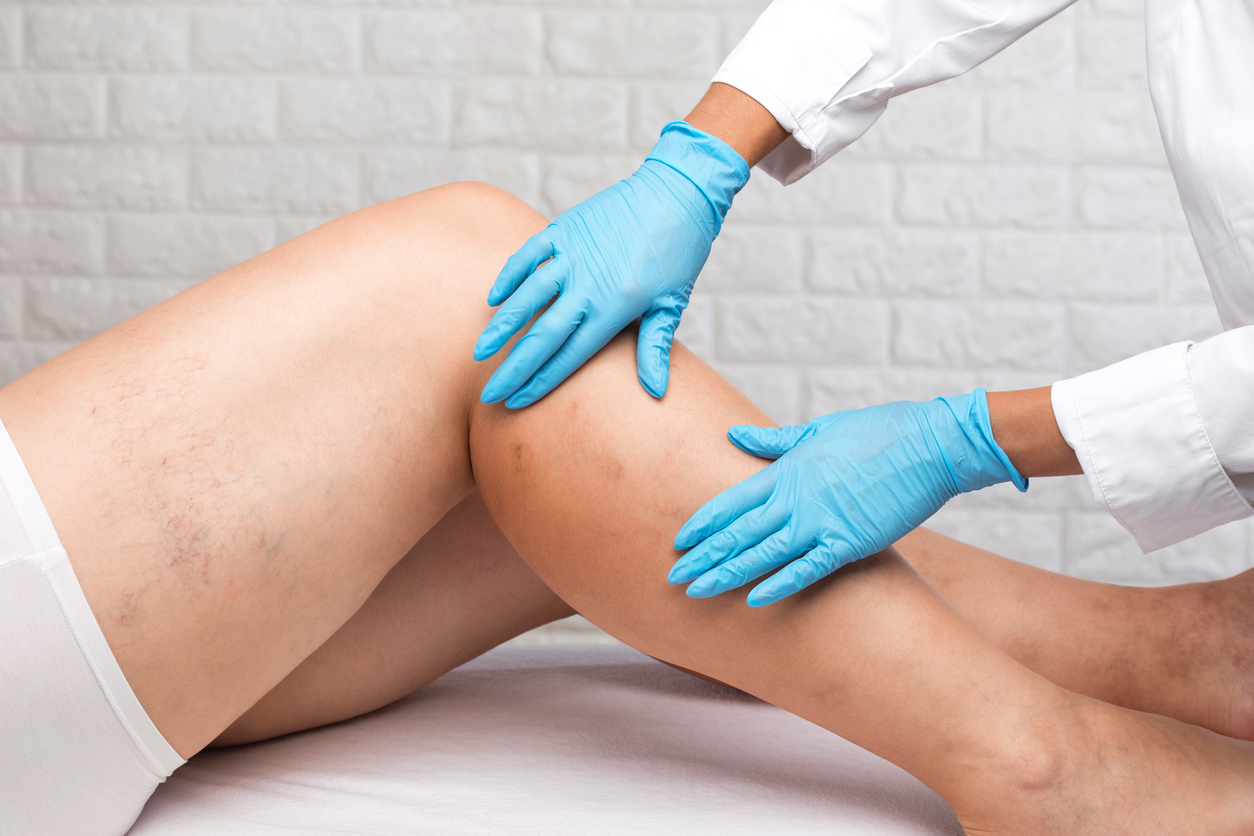
VLUs are caused by problems with the veins in the legs, such as faulty valves or blockages that stop blood flowing properly. This creates high pressure in the veins, leading to inflammation, tissue damage, and, eventually, wounds that either fail to heal or recur.
Although the prevalence is relatively low, the cost is enormous – between £3.2 and £3.4 billion each year. This is more than double the combined NHS costs of treating colorectal, breast, prostate and lung cancer.
The good news is that most ulcers can be healed with a combination of compression dressings and minimally invasive day-case surgery. Early access to treatment also helps prevent ulcers from coming back. Unfortunately, many people are not able to get the treatment they need, and as a result, healing is delayed or doesn’t happen.
There is also real potential to stop many ulcers from occurring in the first place by treating varicose veins earlier. Yet in the UK, two-thirds of people with varicose veins are denied treatment, despite NICE guidance recommending it. This creates unnecessary suffering and a major missed opportunity to prevent ulcers and reduce NHS costs.
Access is also highly unequal. Where you live has a significant impact on whether you can access treatment, and early evidence suggests that socioeconomic factors also play a role. These inequalities must be addressed.
What are some of the key challenges for patients and healthcare staff in managing not only the wound itself but the wider physical and psychological impact?
For patients, the impact is profound. These wounds are painful, often have an unpleasant smell, and can be unsightly. People may feel embarrassed, avoid social contact, and struggle with depression or anxiety. Relationships can also be affected.
Families and carers face difficulties too. Patients may be reluctant to accept care, especially if they feel ashamed or isolated.
Healthcare professionals also experience challenges. Research from vascular nursing teams highlights the emotional toll of caring for people with ulcers. Nurses can feel demoralised when wounds don’t heal, despite their best efforts, and this sense of ‘moral injury’ can lead to burnout.
Yet this picture can change. With timely and effective treatments, healing is possible. When patients recover, it restores confidence and improves the quality of life. Nurses and doctors also feel more motivated, knowing they are making a real difference.
There are several barriers to patient engagement, self-care, and organisational practices. Which barrier do you think is the most important to address?
This is a complex issue, but awareness and education are the starting points. Many patients – and even healthcare professionals – do not recognise when a wound is becoming a serious problem. A simple rule of thumb is that if a wound hasn’t started to heal within two weeks, it needs medical attention. However, because ulcers often begin with a minor injury that gradually worsens, patients may wait months before seeking help.
Healthcare training is also lacking. Most doctors and nurses receive little or no formal education on venous disease or ulcer management. I had no training in this area as a junior doctor, yet it now constitutes a significant part of my work as a consultant. This gap means that many professionals lack the skills to identify and effectively treat venous ulcers.
Funding and system barriers add to the problem. Community teams often struggle to access resources, and restrictive commissioning policies can block referrals to specialist care. Two-thirds of patients who could benefit from treatment are not receiving it, and most local commissioning policies do not comply with NICE guidance. Even when funding is approved, vascular services are stretched, with urgent cases, such as limb-threatening arterial disease, prioritised. Venous ulcers are often left behind, despite their significant impact on quality of life and associated costs.
We need the vascular community and policymakers to recognise venous care as a priority area, not an afterthought.
You’re Chair of the Vascular Society’s Venous Special Interest Research Group. Where is the Society currently directing its efforts?
We are working closely with the National Wound Care Strategy Programme to test new models of care. One example is the HEAL Service (Hull and East Riding Accelerated Lower Limb), which provides fast-track access for anyone with a leg or foot wound that hasn’t started to heal within two weeks. Patients can be referred by any healthcare professional or self-refer directly.
In this service, community nurses carry out standardised assessments, and patients quickly access specialist vascular clinics if needed. This means faster diagnosis, compression therapy, and minimally invasive treatments – all of which improve healing rates and reduce recurrence.
The Vascular Society’s Venous Special Interest Group is also driving forward research. We are developing a major NIHR HTA application to test whether early treatment of varicose veins could save the NHS money by preventing ulcers. We are also studying the barriers that stop patients from getting the care they need.
Alongside this, we are investing in education and public engagement. Through Vascular Research UK and publications such as Venous Leg Ulcers: A Silent Crisis, we are raising awareness that venous disease is not a cosmetic problem – it is a serious health issue with huge human and financial costs.
Venous leg ulcers are a preventable and treatable condition, yet hundreds of thousands of people continue to suffer needlessly. The evidence is clear: early treatment heals wounds, prevents recurrence, reduces inequalities and saves the NHS billions.
The time for action is now. Commissioners must align local policies with NICE guidance. Health leaders should prioritise venous services alongside other urgent conditions. Clinicians need the training and resources to deliver effective care. The public must also be empowered to seek help early.
f we act together, we can end the silent crisis of venous leg ulcers – improving lives, reducing inequalities and making smarter use of NHS resources.