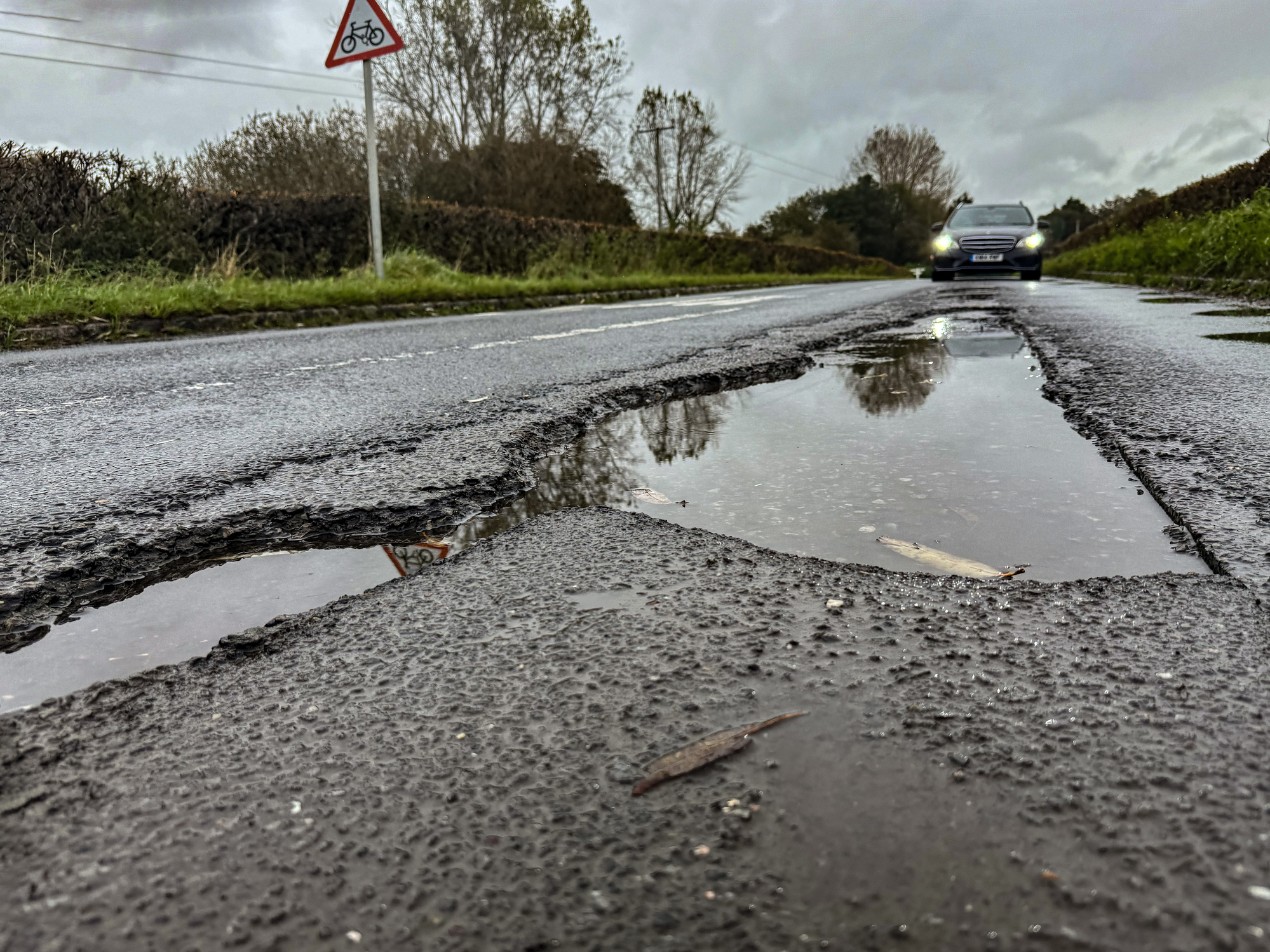
The UK government pledges a record £7.3 billion for local roads to fill potholes, improve safety and ensure smoother journeys across all regions of England
The latest Budget delivers the most ambitious investment in local roads in UK history, with a record £7.3 billion committed to road maintenance and improvements across England. Under the plan, councils will be able to tackle potholes, resurface worn roads and upgrade infrastructure, giving drivers smoother, safer journeys and helping communities reconnect. To unlock more than £500 million in funding each year, local authorities will now be required to publish detailed maintenance and pothole data, a step designed to ensure transparency and accountability.
Fixing one million potholes every year
The record £7.3bn investment follows last Wednesday’s Budget, which aims to improve living standards and public services.
Chancellor of the Exchequer, Rachel Reeves, said: “We promised to fix an extra million potholes a year by the end of this Parliament – we’re doing exactly that.
We are doubling the funding promised by the previous government, making sure well-maintained roads keep businesses moving, communities connected, and growth reaching every part of the country.”
Transport Secretary, Heidi Alexander, said: “We’re delivering the biggest-ever investment in road maintenance to fix Britain’s broken roads.
We’re putting our money where our mouth is, giving councils the long-term investment they need to plan appropriately and get things right first time, saving you money on costly repairs and making a visible difference in our communities.
This isn’t patchwork politics; we are starting the hard work of fixing Britain’s roads for good.”
Transforming transport in England
Each local authority will be able to use its share of the £7.3 billion to identify which roads are in desperate need of repair and deliver immediate improvements for residents.
Regional allocations for the next four years are as follows:
- North West: £800 million
- Yorkshire and the Humber: £500 million
- East Midlands: £700 million
- West Midlands: £800 million
- East of England: £1.2 billion
- South East: £1.5 billion
- South West: £1.5 billion
- London: £300 million
- North East: £30 million
The Budget delivers a range of transport measures, including the first national freeze on regulated rail fares in 30 years, £891 million for the Lower Thames Crossing, a project delayed since 2009, and an extension of the landmark electric car grant to help drivers make the switch.
Edmund King, AA president, said: “Potholes are the number one transport concern for drivers and continue to blight too many roads, so this funding should help smooth out the road ahead.
Providing councils with long-term funding, coupled with the requirement to publish repair data and strategies, is a pragmatic solution. That will enable residents to see how their council is progressing and hold them to account.”
RAC head of policy Simon Williams said: “This investment is a highly welcome move. We’ve long called for councils to be given certainty of funding over an extended period so they can adequately plan maintenance of their road networks, as we believe this will lead to a better, safer driving experience for motorists.
We also welcome the government linking additional funding to councils that commit to carrying out preventative maintenance, as this prevents potholes from forming in the first place and extends the life of roads. It’s also far cheaper than continuously patching pothole-ridden roads only to have to pay far more to resurface them.”