
People living with asthma could gain better access to digital tools to help them better manage their condition
Draft guidance published this week recommends the use of several digital platforms across the NHS while further evidence is gathered over the next three years.
The guidance shows how apps and online tools could complement traditional care, giving people more control over their asthma and helping clinicians deliver more efficient support.
How digital tools can help people with asthma
The recommended digital platforms are designed to support day-to-day asthma management.
Each includes a personalised digital asthma action plan, which guides users on what to do if their symptoms change or worsen. These plans are always accessible on a phone or tablet, reducing reliance on paper copies that can easily be misplaced.
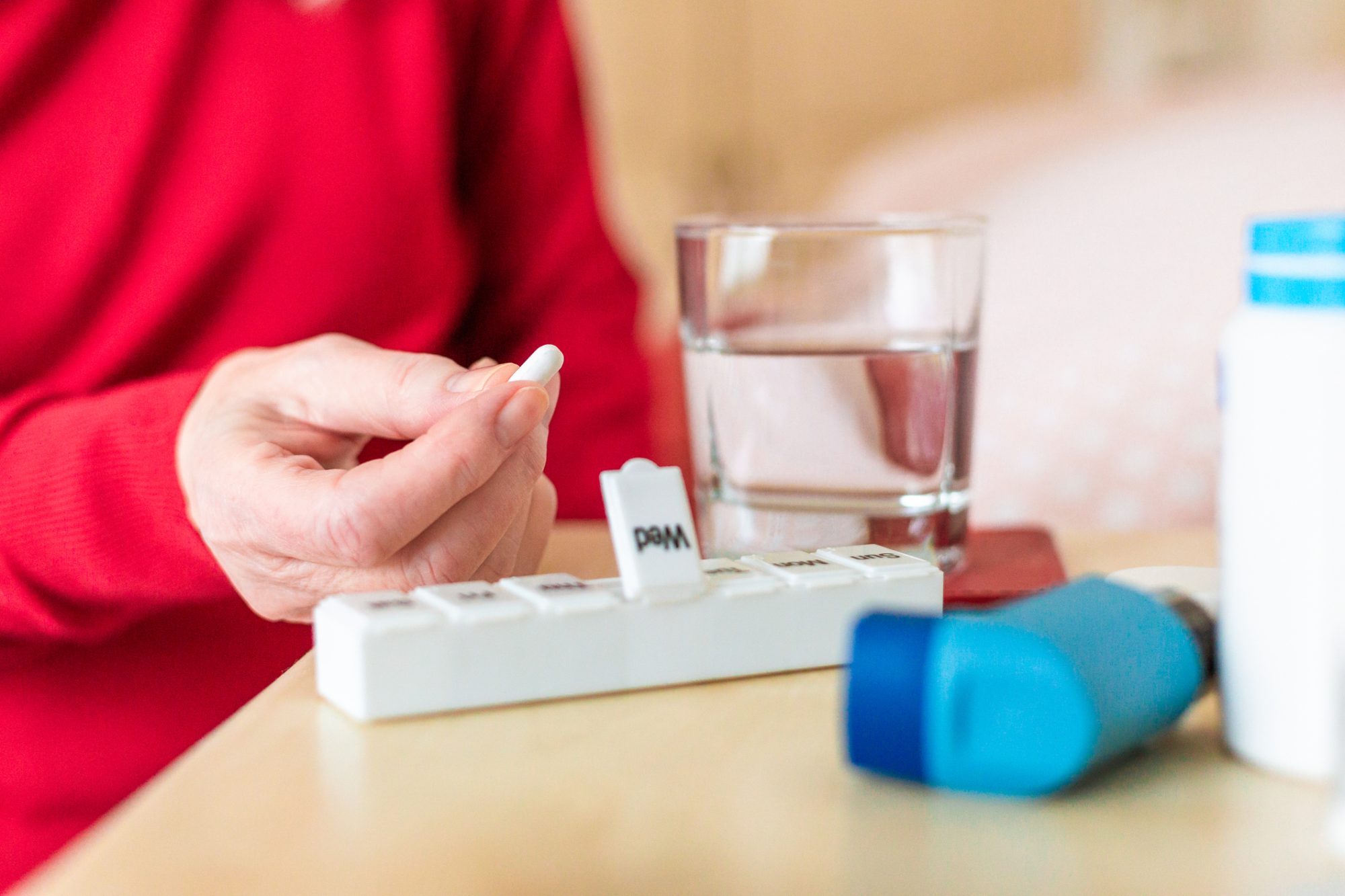
The platforms allow users to track symptoms, medication use and triggers. Many include reminders to take inhalers and access to educational content, such as videos demonstrating correct inhaler technique. Together, these features aim to improve confidence, consistency and understanding in managing asthma.
The guidance also stresses that these tools are not intended to replace regular healthcare appointments. Instead, they work alongside routine care, helping people feel more prepared and engaged when speaking with their GP, nurse or specialist.
Benefits for patients and healthcare professionals
Some of the digital platforms can securely share information with healthcare professionals, making appointments more focused and productive. Clinicians can review symptom trends, medication use and action plans in advance, allowing discussions to concentrate on problem areas and next steps.
The technologies are designed for different groups, including adults, children and young people. Several platforms also offer versions tailored for parents and carers, helping families manage asthma together.
Asthma affects around 5.4 million people in the UK, including 1 in 12 adults and 1 in 11 children. When not properly controlled, asthma can lead to emergency hospital admissions and, in some cases, avoidable deaths. Digital support tools may help address common challenges, such as forgetting medication, poor inhaler technique or uncertainty about how to respond to worsening symptoms.
Platforms recommended for NHS use
The draft guidance recommends eight digital technologies for use over a three-year evidence-gathering period. These are Asthmahub, Asthmahub for parents, AsthmaTuner, Digital Health Passport, Luscii, myAsthma, RDMP (Respiratory Disease Management Platform) and Smart Asthma.
Early evidence suggests these platforms can improve asthma control, reduce hospital visits, and support better medication use. Users have also reported that the tools are easy to use and help them feel more confident in managing their condition.
After three years, the additional evidence collected will be reviewed to determine whether the platforms should be recommended for routine NHS use.
Digital support for asthma diagnosis
Alongside guidance on asthma management tools, draft recommendations have also been published on digital technologies that support the diagnosis of asthma and chronic obstructive pulmonary disease (COPD) using spirometry.
Spirometry is a breathing test that measures lung function, but access to testing is limited in some areas. One technology, ArtiQ.Spiro is recommended for use during the evidence-gathering period in GP surgeries and community diagnostic centres. It uses digital algorithms to assess test quality, interpret results, and support diagnostic decisions.
These tools could allow a wider range of healthcare staff to carry out spirometry, helping reduce waiting times and easing pressure on hospital services. Four other technologies require more research before they can be recommended.
Both sets of draft guidance are open for public consultation until 21 January 2026, giving healthcare professionals, patients and the public an opportunity to share their views before final decisions are made.