Researchers in Edinburgh have developed a rapid stool-based test aiming to improve the diagnosis of inflammatory bowel disease and reduce the need for invasive procedures
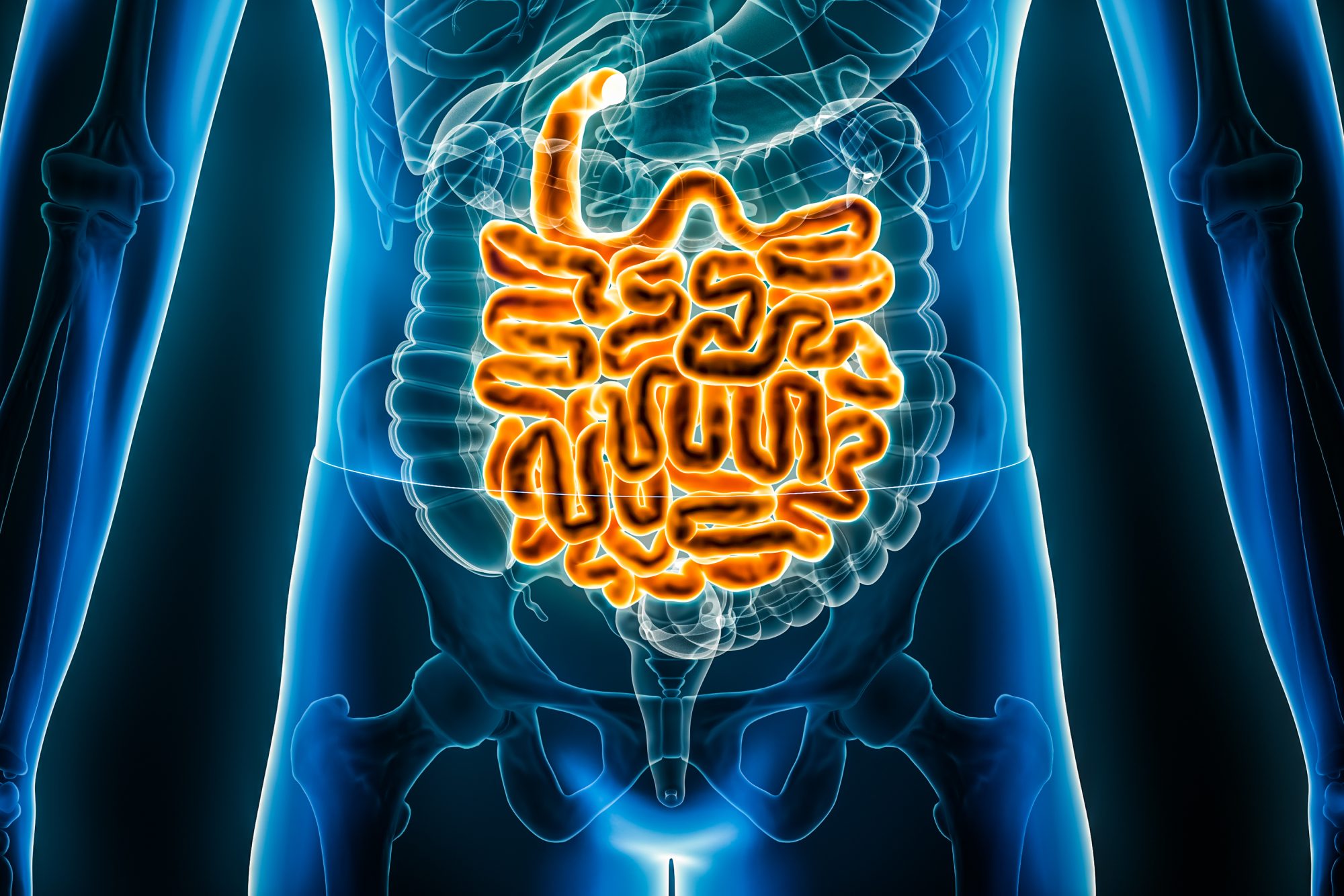
A new diagnostic test developed by University of Edinburgh researchers could improve the diagnosis of inflammatory bowel disease (IBD) by rapidly detecting key signs of gut inflammation in stool samples. The technique uses a novel luminescent reporter, a substance that emits light in response to a chemical reaction, to measure a molecule linked to inflammation, offering greater precision than current methods and the potential to reduce reliance on invasive procedures like colonoscopies.
New test could improve early and precise IBD diagnosis
IBD is a chronic illness in which the immune system mistakenly attacks the digestive tract, leading to inflammation. Colonoscopies are usually the primary method for diagnosing and monitoring the condition.
Current IBD stool tests measure general markers of inflammation, such as the protein calprotectin, which is released by white blood cells during inflammation, so a positive result requires further investigation to confirm the source.
Now, University of Edinburgh researchers have studied gut tissue from IBD patients and found that inflamed tissue contains higher levels of the enzyme granzyme A (GzmA) than non-inflamed tissue. This specific enzyme speeds up chemical reactions in cells.
GzmA is released by T cells, a type of white blood cell, which usually act as protectors against infections.
The researchers developed a luminescent assay to measure GzmA activity in stool samples and tested it on 150 samples from IBD and healthy patients.
By combining this new reporting tool with the current standardised faecal calprotectin testing, the researchers achieved greater success in identifying IBD than with faecal calprotectin alone.
Edinburgh spinout aims to accelerate IBD diagnosis and research
The tool will form part of the assets of a new company, IDXSense, spinning out of the University of Edinburgh and supported by Edinburgh Innovations, the University’s commercialisation service.
“The speed and sensitivity of our optical tool could accelerate future studies of the immune system’s role in IBD and improve the pathway to diagnosis. In the future, it might also help tailor treatments for IBD patients,” added Professor Marc Vendrell, study lead from the Institute for Regeneration and Repair.
“This important study is a wonderful example of fundamental chemists working closely with doctors who understand how the gut works. We need better tests that can tell us about the mechanisms rather than simply measuring inflammation to help us treat patients better,” concluded Professor Gwo-Tzer Ho, co-author and IBD expert, University of Glasgow.