
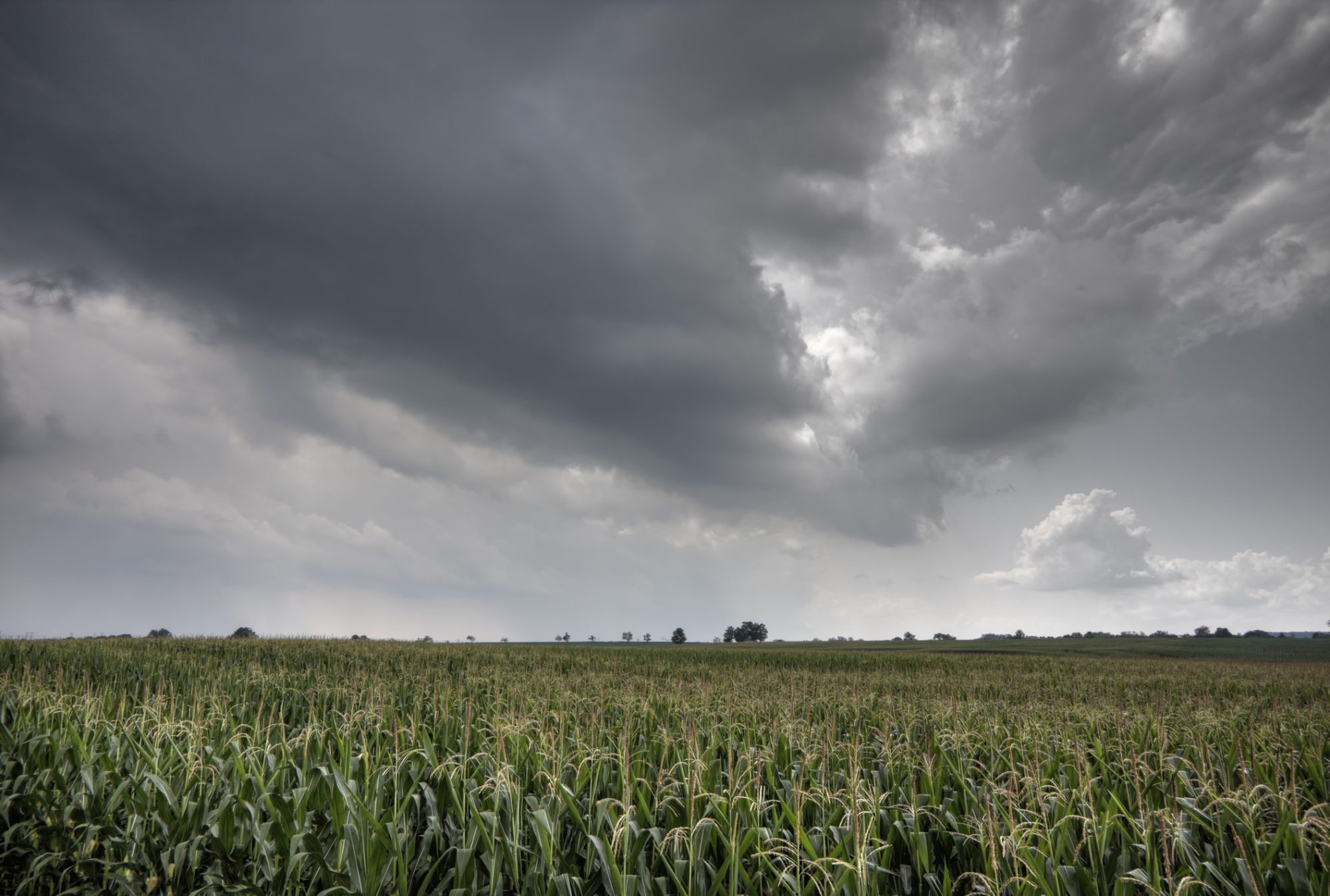
Recent research indicates that rising temperatures will intensify severe crop droughts in Europe and western North America, even as annual rainfall increases, thereby posing a threat to food security
A new study published in Nature Geoscience shows that climate change will lead to more frequent and severe crop droughts across Europe and western North America, even in areas where yearly rainfall increases.
Researchers at the University of Reading determined that elevated temperatures accelerate soil drying beyond the rate at which rainfall can replenish moisture during key growing seasons. This process increases crop vulnerability and underscores the necessity for climate-resilient agricultural practices. The study identifies emerging drought hotspots that may threaten global food supplies if current warming trends persist.
The UK, central Europe, and parts of America are hotspots for crop drought
Scientists at the University of Reading investigated the impact of climate change on soil moisture during growing seasons. They found that rising temperatures cause soil to lose moisture more rapidly than additional rainfall can replenish it, leading to agricultural droughts.
The team examined climate data and used computer models to identify regions at risk. Western Europe, including the UK, central Europe, western North America, northern South America, and southern Africa, emerged as drought hotspots.
Professor Emily Black, lead author at the University of Reading, said: “Climate change is heating the air, which makes more water evaporate from soil and plants. This dries out fields even when more rain falls, especially during spring in Europe and North America.
“As the planet continues to warm, agricultural droughts could become much more common this century in regions that grow much of the world’s food. Farmers will need crops that can survive drought and better ways to manage water supplies.”
The overlooked role of soil moisture
Previous studies often focus on precipitation patterns rather than soil moisture and have investigated yearly soil moisture averages. However, this process misses the seasonal patterns that matter most for agriculture. The Reading researchers focused specifically on growing seasons, revealing crop drought risks that annual precipitation measurements overlook.
Soil moisture levels in spring at the onset of the growing season are critical in determining summer drought risk. Dry spring soils cannot retain sufficient water for crops during the warmer months. Even with increased spring rainfall, elevated temperatures increase evaporation, leading to continued soil drying through summer and greater crop vulnerability.
Crop droughts in Europe and western North America are driven by rising air temperatures that accelerate soil drying. Notably, severe European droughts in 2003, 2010, and 2018 developed following dry spring or early-summer conditions. These trends indicate that these regions are likely to experience more frequent and severe droughts in the coming decades.
Lower-emission climate pathways can help reduce, but not fully prevent, future drought risk in vulnerable regions.