
Discover how the NHS is using AI and robot technology to detect lung cancer earlier, reduce invasive tests, and improve survival across England
The NHS has launched a pilot using AI and robotics to diagnose lung cancer earlier and more accurately. AI highlights suspicious lung nodules, while a robotic catheter enables precise, less invasive biopsies. This initiative aims to expand screening, address health inequalities, and improve survival through earlier detection.
How the AI and robot pilot works
Under a new NHS pilot, patients with suspected lung cancer could access artificial intelligence and robotic technology to help doctors detect cancer earlier, with fewer invasive tests.
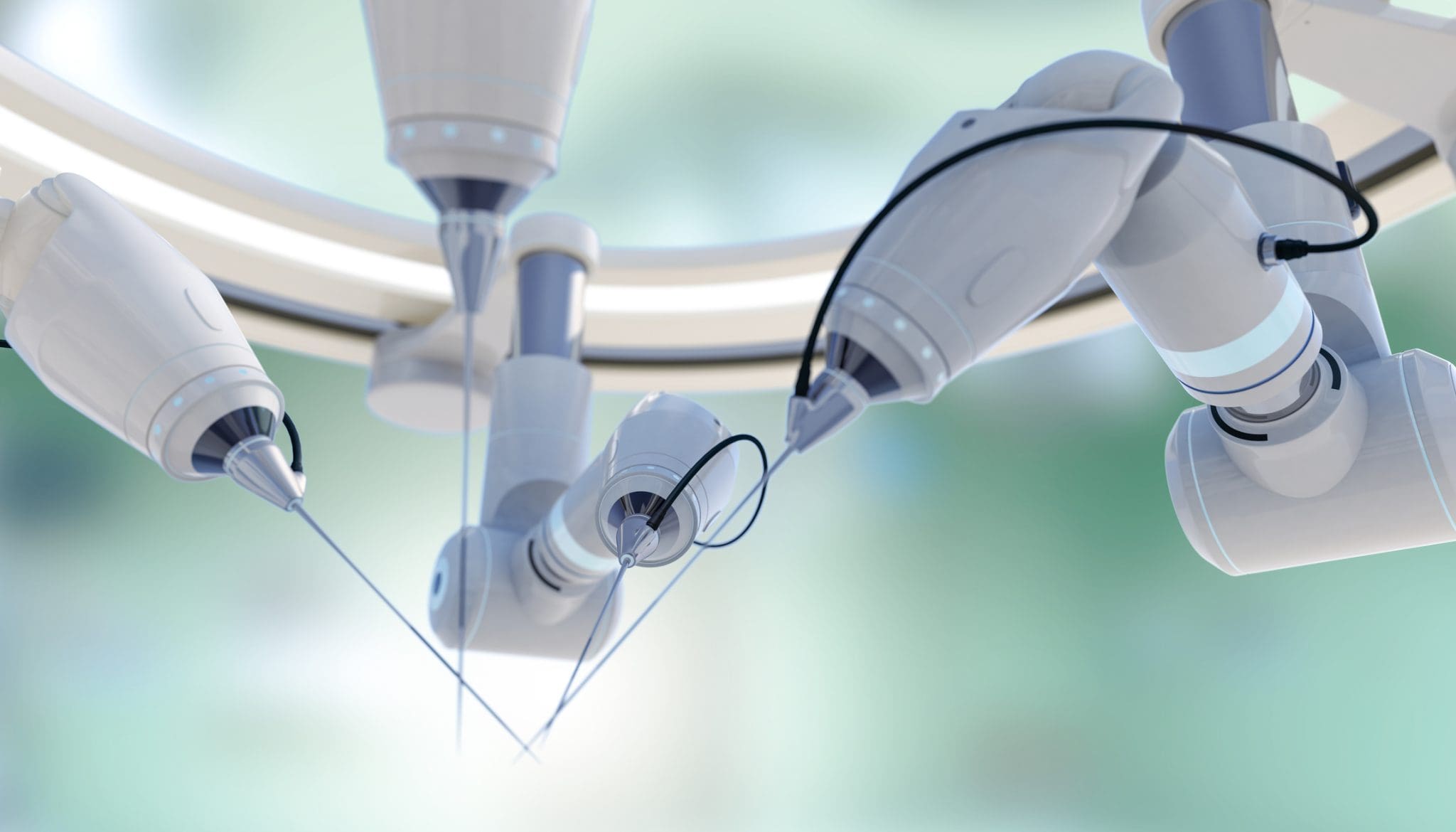
The approach uses artificial intelligence (AI) software to rapidly analyse CT lung scans and flag small lumps (nodules) that are most likely cancerous. Then, a robotic camera guides biopsy tools through the lung airways (the bronchial tubes) with much greater precision than standard techniques.
The pilot follows NHS plans to expand lung cancer screening, ensuring that every eligible person is invited for screening within 5 years, regardless of where they live.
Expert perspectives and patient impact
The NHS’s top cancer doctor called the Guy’s and St Thomas’ project a snapshot of future cancer detection, combining AI and robots to reach small, hard-to-access lung nodules.
The robot accesses nodules as small as 6mm, deep in the lung, which are often too risky to reach by current methods.
After AI flags high-risk areas, doctors take a precise biopsy, which is sent to specialists—potentially streamlining and speeding up diagnosis.
Professor Peter Johnson, NHS England’s National Clinical Director for Cancer, said: “Waiting to find out if you might have cancer is incredibly stressful for patients and their families.
“This is a glimpse of the future of cancer detection. Innovation like this is exactly how we can help diagnose more cancers faster, so treatment can be most effective, and why the NHS continues to lead the way in bringing new technology safely into frontline care.”
Wes Streeting, Health and Social Care Secretary, said: “When I was diagnosed with kidney cancer, the NHS saved my life using robotic technology. That experience showed me what’s possible when brilliant clinicians have access to cutting-edge innovation – it saves lives.
“Lung cancer is one of the biggest killers in the UK, taking an extra year of people’s lives in the poorest parts of the country. This pilot will help to catch it earlier, replacing weeks of invasive testing with a single targeted procedure. For patients waiting anxiously for answers, this speed and precision can be life-changing.
“This is our National Cancer Plan in action – shifting from late diagnosis to early intervention and from analogue to digital, ensuring every patient can benefit from the blend of human care alongside game changing technology, no matter where they live.”
Dr Anne Rigg, Medical Director for Cancer and Surgery at Guy’s and St Thomas’ NHS Foundation Trust, said: “This pilot brings together artificial intelligence and robotic technology as genuinely disruptive tools to simplify and shorten the lung cancer diagnostic pathway. By combining AI-enabled risk stratification with highly precise robotic biopsy, we are reducing delays and unnecessary steps to diagnosis.
“Crucially, this work is being co-designed with patients and frontline clinical teams, ensuring that the pathway is not only faster, but safer, more equitable, and centred on the patient experience. By improving access to advanced diagnostics we can help reduce variation in care for all patients, regardless of where they are referred from.
“Together, these changes have the potential to support earlier diagnosis and treatment for more patients, which is fundamental to improving long-term outcomes in lung cancer.”