
University of Sharjah scientists have created eco-friendly bricks using desert sand and alkali-activated binders. This sustainable alternative to Portland cement cures at room temperature and offers superior durability, significantly reducing construction-related carbon emissions
Researchers at the University of Sharjah have successfully transformed desert sand into eco-friendly construction bricks, providing a viable alternative to carbon-heavy traditional materials. This innovation, published in the Journal of Materials in Civil Engineering on 10 February 2026, could significantly reduce the construction industry’s environmental footprint.
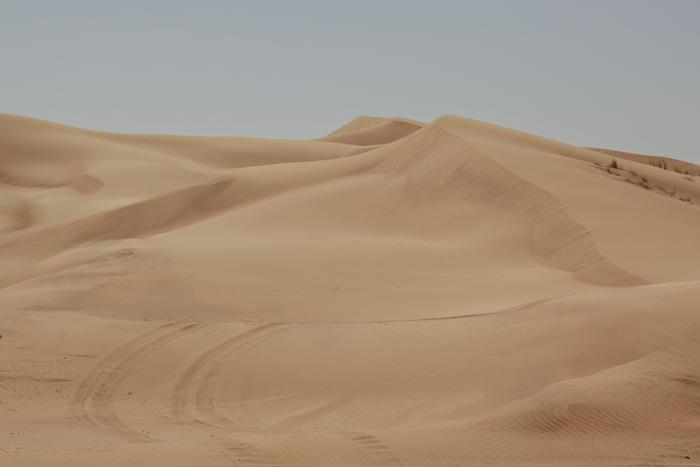
Conventional Portland cement is responsible for nearly 10% of global carbon dioxide emissions. While desert sand is abundant in regions like the UAE, its smooth, fine grains have traditionally been considered unsuitable for building. This new method bypasses those limitations by using specialised chemical binders.
Alkali-activated binder technology
The breakthrough centres on “alkali-activated binders” (AABs). These binders act as a sustainable glue, triggering a chemical reaction that turns loose sand into a rock-like solid. Unlike standard cement, these bricks can incorporate industrial by-products such as:
- Fly ash: A byproduct of coal combustion.
- Blast-furnace slag: A waste material from steel production.
Importantly, these bricks are cured at ambient temperatures. This eliminates the need for high-heat industrial kilns, further reducing energy consumption and manufacturing costs compared to traditional fired-clay or cement-based bricks.
Superior performance and durability
Extensive testing shows that these desert sand bricks are not only greener but also more resilient than their traditional counterparts. During durability trials, the AAB bricks met all international ASTM standards for safety and quality.
Professor Maher Omar noted that the bricks outperformed conventional cement under “sulfate attack,” a type of chemical degradation common in coastal and marine environments. This makes the material particularly valuable for infrastructure projects in regions with sulfate-rich soils or high groundwater salinity.
Path to industrial production
The project moves desert sand from being a “waste material” to a high-value resource. By using locally sourced sand, construction firms can reduce carbon emissions and costs associated with importing grit and gravel.
The research team is now preparing for pilot-scale testing to ensure quality remains consistent during mass production. Their next steps involve a full commercial analysis to optimise the manufacturing workflow for the global construction market, potentially turning vast desert landscapes into a sustainable source for the cities of the future.