
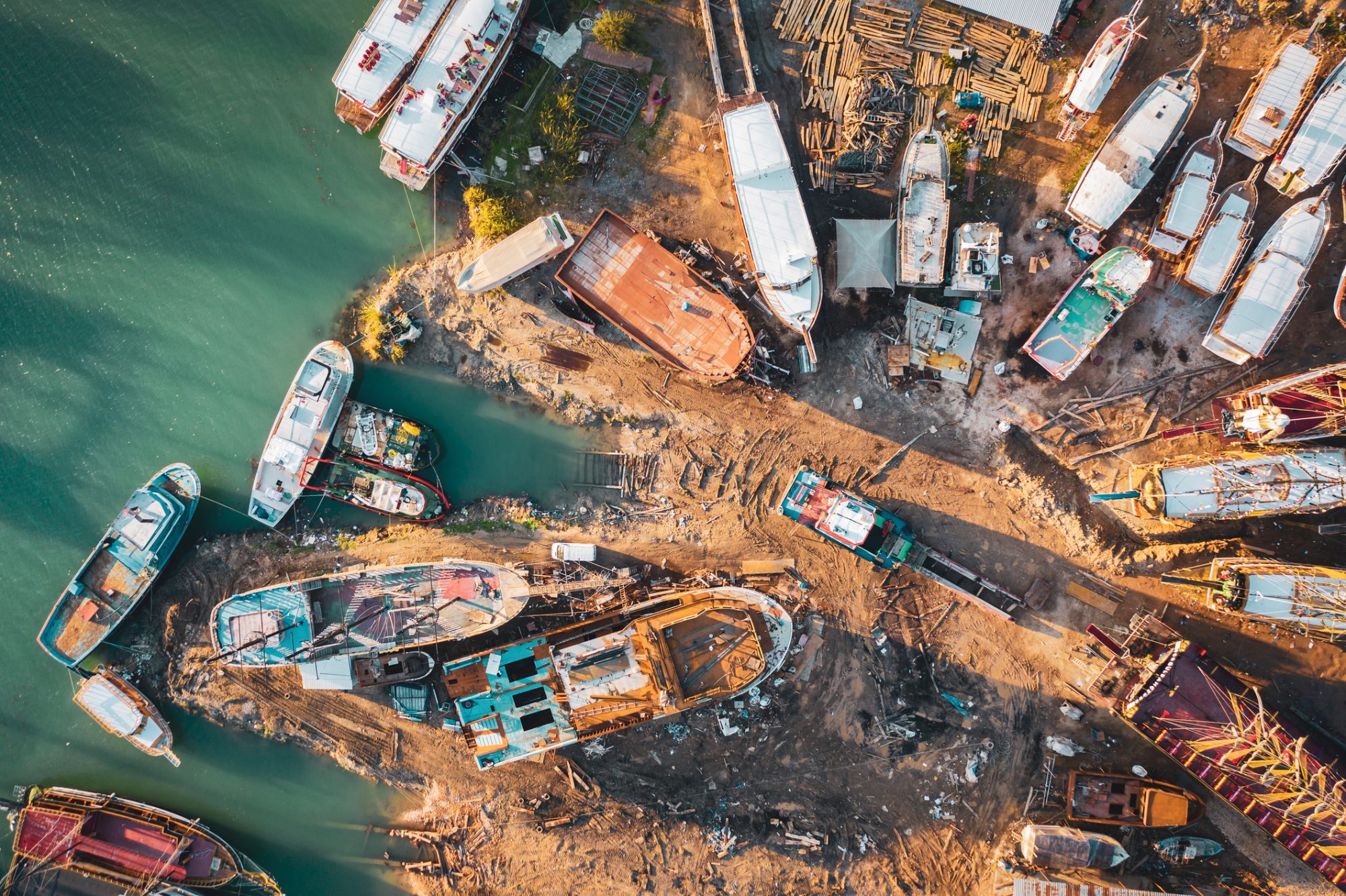
The European Commission has introduced new certificate formats to simplify and reduce the burden on ship owners’ ship recycling procedures, while maintaining the European Union’s high environmental and safety standards
Adopted on January 19, the updated formats allow ship owners to meet multiple legal requirements using a single administrative form.
The change is expected to help streamline compliance for vessels approaching the end of their operational life, particularly those subject to both EU and international regulations governing ship recycling.
One certificate instead of two
Under the new system, ship owners can now use a single certificate to both list hazardous materials present on board a vessel and confirm that the ship is ready for recycling. Previously, separate documentation was required to comply with the EU Ship Recycling Regulation and the International Maritime Organisation’s Hong Kong Convention.
By simplifying certificate formats, the commission aims to reduce duplication and administrative costs without weakening existing EU rules. The updated approach ensures that vessels can demonstrate compliance with both regulatory frameworks simultaneously, making the recycling process more efficient for owners, operators, and authorities.
Maintaining high EU standards
The Commission has emphasised that the simplification does not lower EU requirements. The EU Ship Recycling Regulation, in force since 2013, remains more stringent than the Hong Kong Convention in several key areas, particularly regarding hazardous materials and the approval of recycling facilities.
The regulation applies to large seagoing vessels flying the flag of an EU Member State and establishes strict controls on where and how ships can be dismantled. It includes limits and prohibitions on hazardous substances such as asbestos, requirements for ship recycling plans, and an approved European List of compliant recycling facilities located both inside and outside the EU.
Global context and industry impact
European ship owners control around 30% of the world’s fleet by tonnage, giving the EU significant influence over global ship recycling practices. Despite this, a large proportion of ships are still dismantled outside the EU, particularly in South Asia, where recycling conditions have historically raised serious concerns about worker safety and environmental protection.
By streamlining administrative processes while maintaining robust safeguards, the European Commission hopes to encourage greater compliance and support safer recycling practices worldwide.
Relationship with the Hong Kong Convention
The Hong Kong Convention, which began in June 2025, sets out international standards for the safe and environmentally sound recycling of ships. While it represents an important step at the global level, its requirements are less detailed and, in some cases, less strict than those of the EU regulation.
As part of the International Maritime Organisation’s experience-building phase, the European Commission will actively contribute to assessing how the convention is implemented in practice. The EU also intends to push for further improvements, aiming to raise global standards closer to those already applied within the Union.
Safer recycling
The introduction of unified certificate formats shows a wider EU strategy to balance competitiveness with sustainability. By reducing unnecessary paperwork, the Commission aims to make compliance easier for shipowners while continuing to protect workers’ health and the marine environment.
As ship recycling remains a global challenge, the EU’s approach hopes to lead by example, combining regulatory improvements with long-term efforts to strengthen international rules.