
New research reveals how biochar is expanding beyond soil use to clean water, capture carbon, and boost renewable energy systems
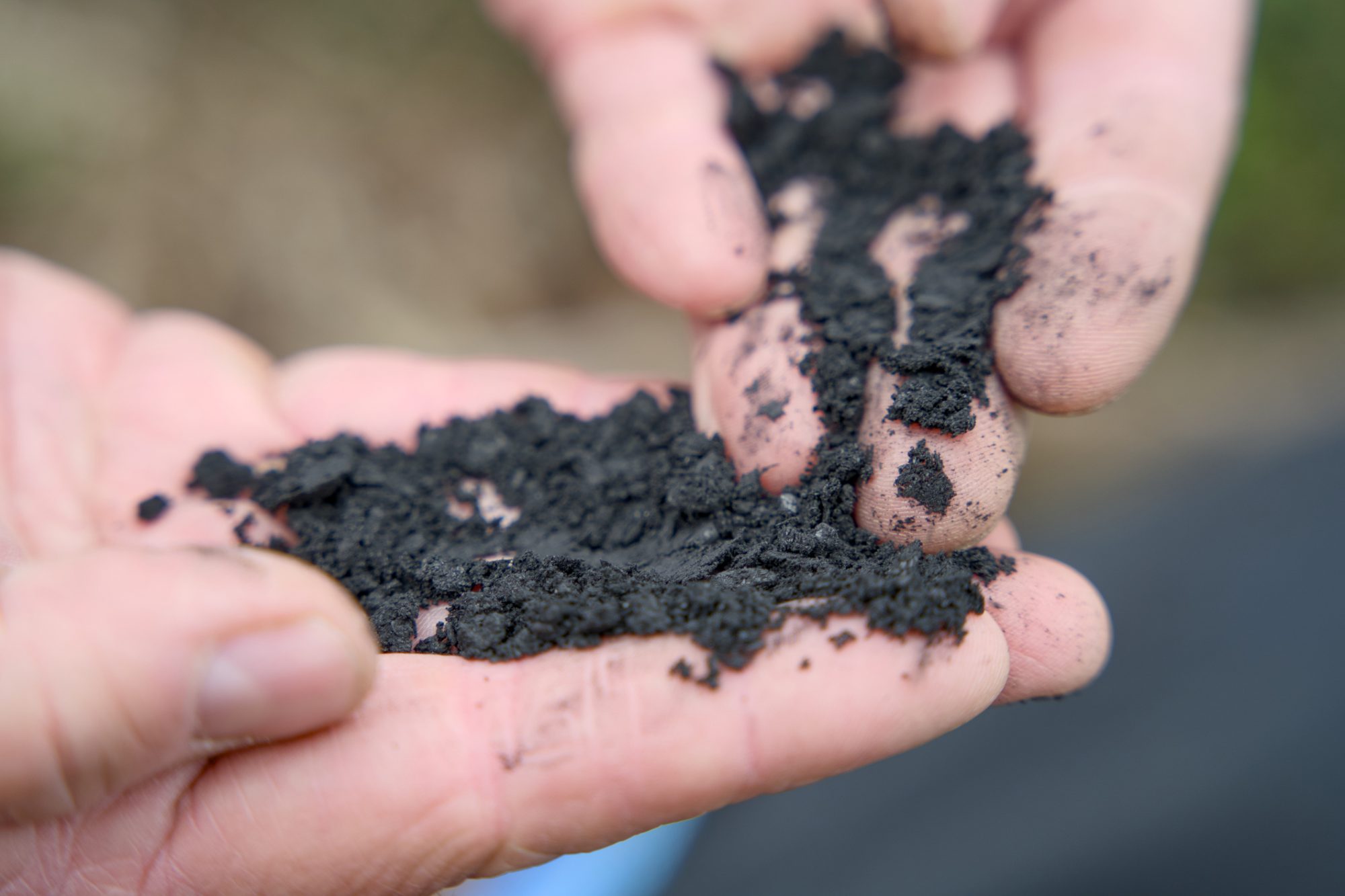
Biochar, a carbon-rich material traditionally used to improve soil health, is rapidly evolving into a multifunctional environmental solution with the potential to tackle major global challenges, including clean water treatment, carbon capture, and renewable energy generation. According to a new review published online, engineered biochar’s unique porous structure and surface chemistry can enhance wastewater nutrient recovery, support efficient biogas production, and adsorb carbon dioxide, making it a promising tool for sustainable, circular environmental technologies.
Looking beyond soil
In a comprehensive review, researchers outlined recent advances that show how biochar is moving beyond its traditional role in soil remediation. The study emphasises the vital role engineered biochar can play in connecting water, carbon, and energy systems within a circular, sustainable framework.
Biochar exhibits unique physical and chemical properties due to its highly porous structure and adaptable surface chemistry. Additionally, many biochars have natural electric conductivity and redox properties, enabling them to interact with microbes, pollutants, and gases in ways that conventional materials cannot.
“Biochar is no longer just a soil amendment,” said corresponding author Wu-Jun Liu. “Our review shows that it is becoming a versatile environmental material that can simultaneously support cleaner water, lower carbon emissions, and renewable energy generation.”
Biochar’s emerging role in water, carbon, and energy
Turning to developments in water treatment, one emerging application of biochar is its role in biological water treatment and resource recovery. When added to wastewater treatment systems, it can act as a habitat for beneficial microorganisms, improving their ability to remove nitrogen and phosphorus pollutants. At the same time, it can help recover these nutrients for reuse as fertilisers, supporting more sustainable nutrient cycles.
“Instead of treating wastewater as waste, biochar helps turn it into a resource,” Liu explained. “It can enhance microbial processes that recover nutrients and even produce useful energy.”
The researchers also highlighted the role of biochar in renewable energy generation, specifically focusing on anaerobic digestion systems. In these systems, microbes break down organic waste to produce methane or hydrogen. Here, biochar facilitates direct electron transfer between microbes, thereby accelerating these biological processes and enhancing their speed, stability, and efficiency.
Modified biochars can also absorb carbon dioxide from industrial emissions and can sometimes catalyse its conversion into fuels or valuable chemicals. It is made from biomass, allowing it to store carbon for long periods, helping reduce net greenhouse gas emissions.
Biochar is increasingly being integrated into filtration membranes and capacitive deionisation systems, thereby improving water purification performance and reducing energy demand.
Researchers note that challenges remain for biochar. Future studies should address stability, scale-up, and links between structure and performance.
“Our goal is to guide the rational design of next-generation biochars,” said Liu. “With the right engineering and evaluation, biochar could become a cornerstone material for carbon-neutral and circular environmental technologies.”