
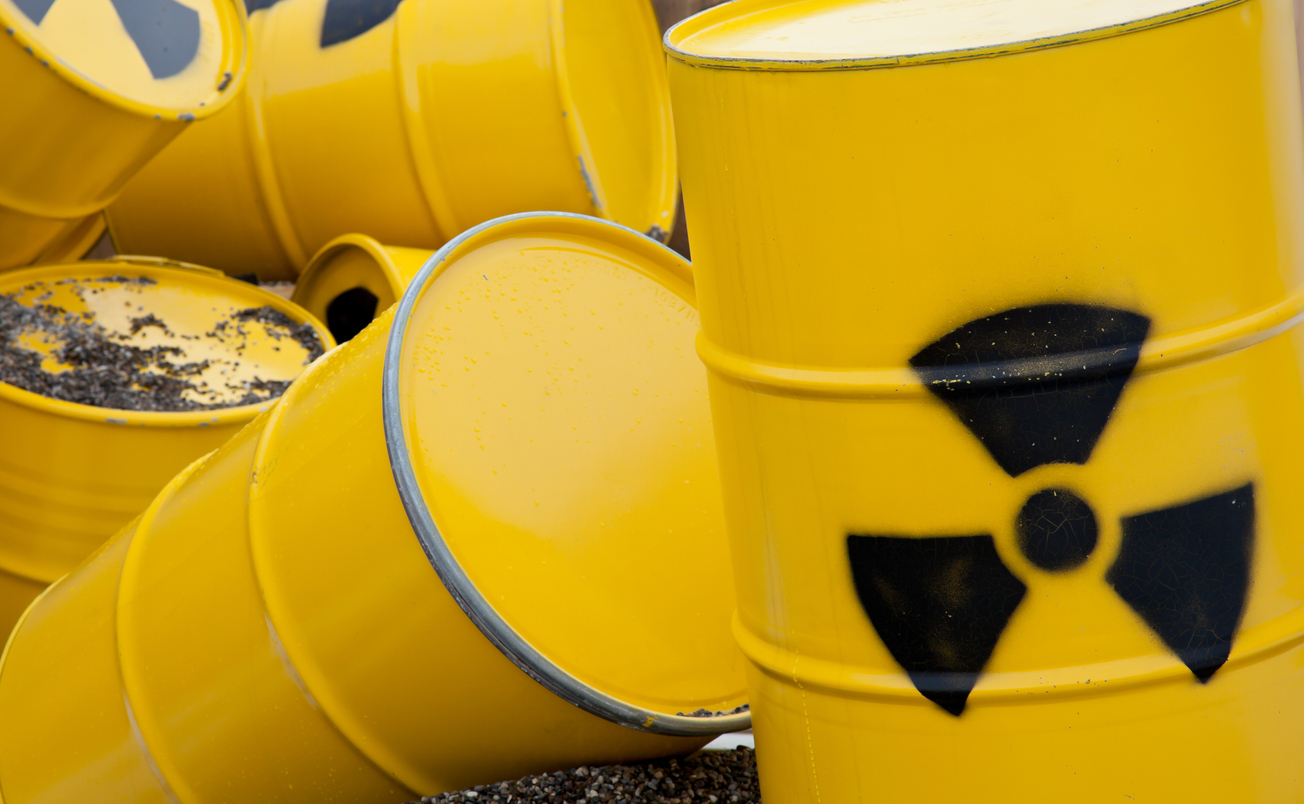
Hundreds of tonnes of reprocessed nuclear material are set to power a new generation of cancer treatments
From nuclear by-product to life-saving therapy
In a new move linking nuclear science and cutting-edge healthcare, the UK is set to produce tens of thousands of doses of advanced cancer treatments using reprocessed uranium from historic nuclear reactor fuel.
The initiative brings together the Nuclear Decommissioning Authority (NDA), United Kingdom National Nuclear Laboratory (UKNNL), and Cambridge-based biotech company Bicycle Therapeutics in a 15-year collaboration.
A big part of the project is the extraction of lead-212, a rare and valuable medical isotope used in radiopharmaceuticals. These therapies deliver radiation directly to cancer cells, destroying tumours while minimising damage to surrounding healthy tissue. This approach offers new hope for patients with cancers that are particularly difficult to treat using conventional methods.
How science works
Only an infinitesimally small quantity of material is required, similar to a single drop of water in an Olympic-sized swimming pool. Through natural radioactive decay and advanced chemical separation, this tiny amount generates lead-212 suitable for medical use.
Over the next 15 years, Bicycle Therapeutics will gain access to up to 400 tonnes of reprocessed uranium from the NDA. Crucially, this material continually regenerates the isotopes required for lead-212 production, providing a long-term, reliable supply. The result is an enduring source of tens of thousands of treatment doses each year.
Precision treatments for hard-to-treat cancers
Radiopharmaceuticals containing lead-212 are designed to seek out and destroy cancer cells with high precision. This technology shows particular promise in treating cancers such as prostate cancer and neuroendocrine tumours, which can affect organs including the pancreas and digestive system.
Bicycle Therapeutics will incorporate lead-212 into its proprietary Bicycle® molecules, small, targeted compounds engineered to home in on cancer cells. The lead-212 will be extracted using a novel radioisotope generator developed specifically for the company by medical isotope specialists Spectron Rx.
Boost for UK science, healthcare and growth
The collaboration shows the government’s ambition to position the UK as a global leader in both life sciences and nuclear innovation. It builds on recent investment in cancer diagnostics and treatment across the NHS, including efforts to diagnose cancer earlier and reduce waiting times for patients.
The project also complements £20 million in funding announced last month to support further research into lead-212 extraction by UKNNL and Medicines Discovery Catapult. Together, these initiatives aim to accelerate the translation of scientific discovery into real-world medical benefit.
The agreement also represents a powerful example of how legacy nuclear materials can be repurposed for societal good. The NDA’s role ensures that the uranium is managed safely and securely while delivering lasting value far beyond its original purpose.