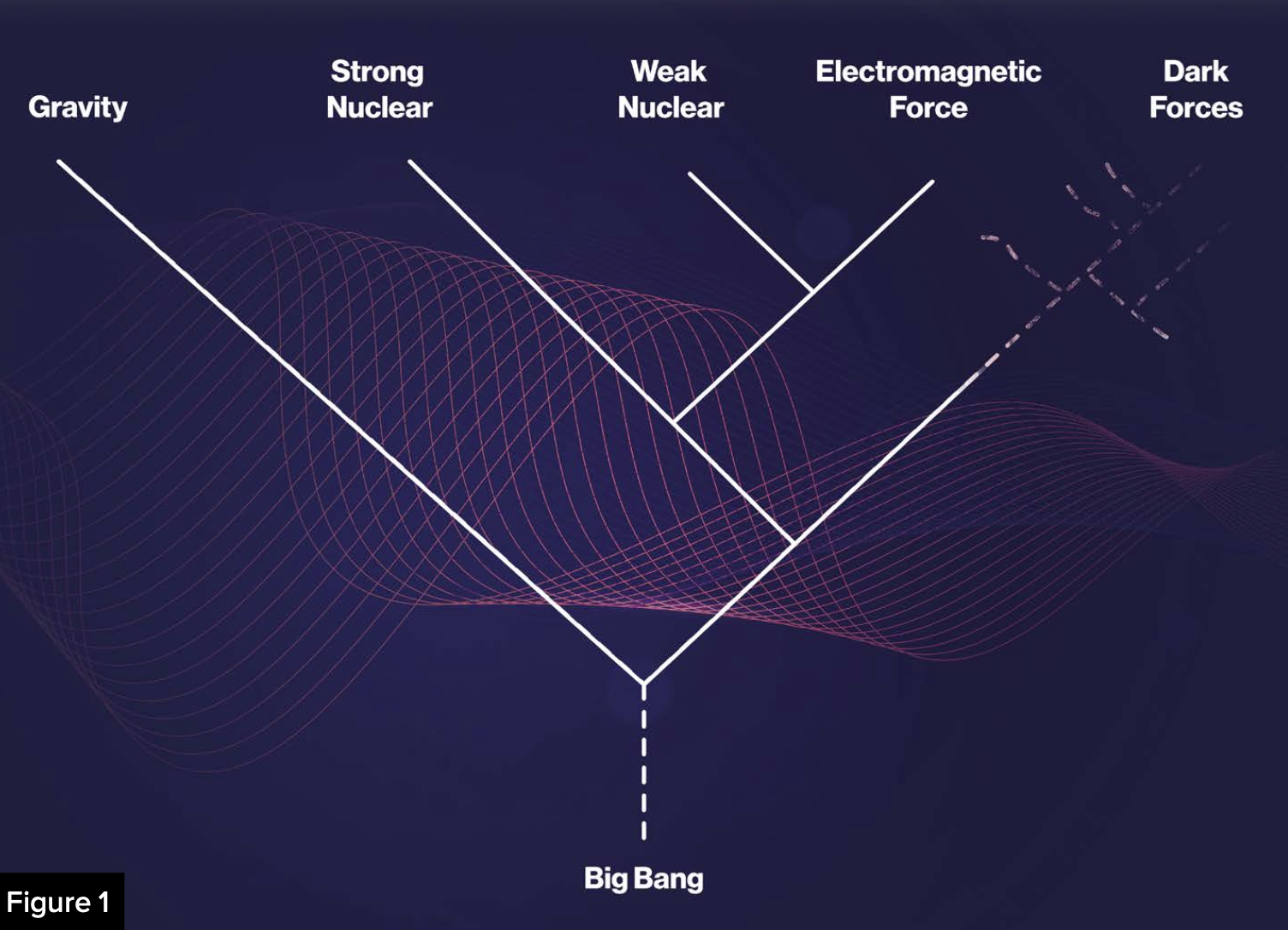
UCLA researchers have developed a quantum-based nanowire that reduces electronic noise as the electrical current increases. By synchronising electrons with atomic vibrations, this breakthrough promises more stable quantum computers and ultralow-noise communication sensors.
Researchers at the College of Information Sciences and Technology at Penn State have developed an artificial intelligence (AI) algorithm to help identify homeless youth at risk of substance abuse.
Peter Walker, CTO EMEA at Blue Prism, discusses how intelligent automation is being used by the NHS to streamline operations and improve patient outcomes, particularly in light of the COVID-19 crisis.
Andrew Eggington, Finance Director, Ipsotek, explores the many ways in which artificial intelligence (AI) can be used to enforce social distancing and better protect society.
Dr J Gerard Wolff, Director at CognitionResearch.org describes the SP System – a promising foundation for the development of human-like general artificial intelligence.
Mr Romesh Angunawela, Founding Partner, Ophthalmic Consultants of London, enlightens us on the role of technology in ophthalmology as part of the NHS’s efforts to tackle the COVID backlog.
The EC hopes that shared public and private data lakes will create successes: Michal Gabrielczyk, Cambridge Consultants, believes the benefits of the strategy could ripple well beyond Europe.
Alejandro Saucedo, Member of the European Commission's High Level Expert Group Reserve List on AI and Engineering Director at Seldon, argues that to ensure artificial intelligence is humane, it must be regulated.