

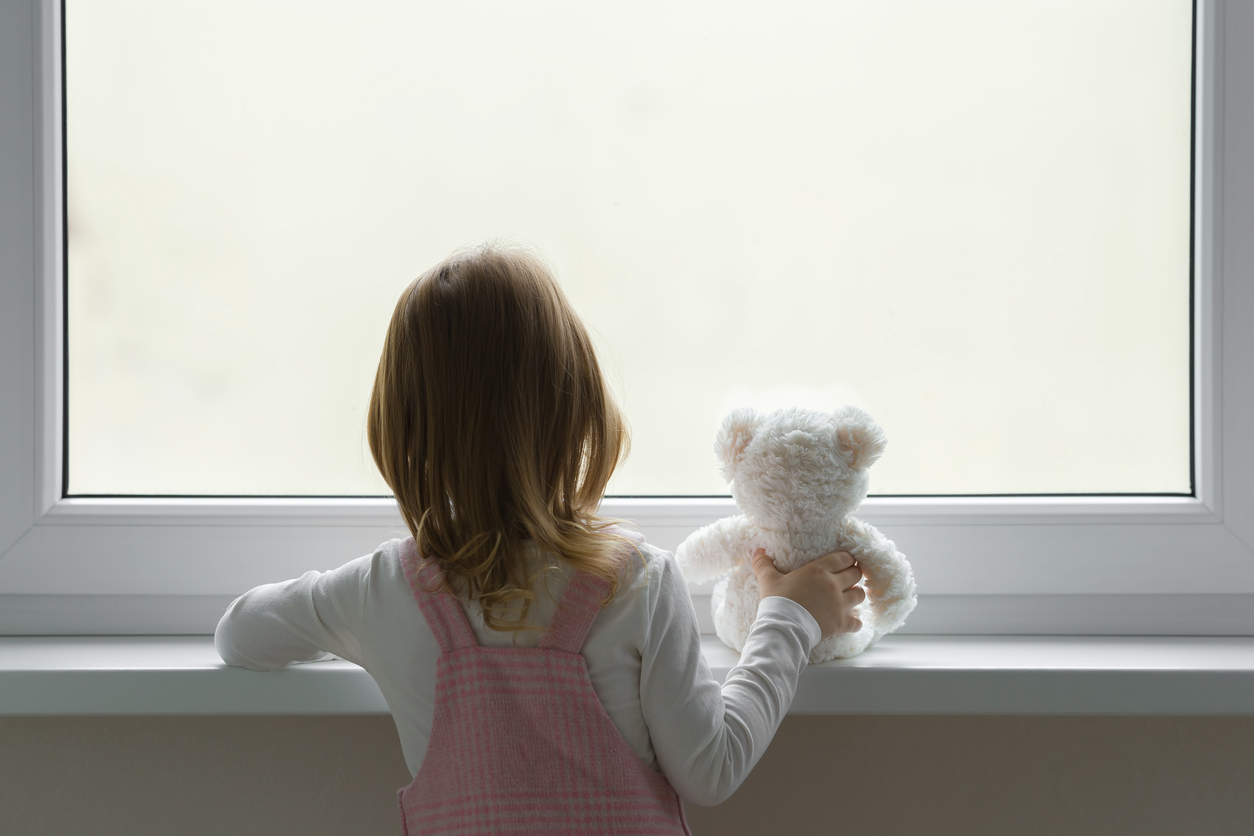
The article explores the challenges faced by the estimated 2.1 million children in Europe affected by parental imprisonment, emphasizing the need to shift from framing children as potential risks to recognizing their rights and dignity
An estimated 2.1 million children in Europe are separated from a parent in prison, roughly five times Iceland’s population. (1) Parental imprisonment remains inadequately recognised as a child’s rights issue, leaving many children unsupported from arrest onward and exposed to stigma. While good practices exist across Europe, change is fragmented and slow. Although this may be beyond the scope of any individual organisation, it is rather the responsibility of communities at large; the stigma that attaches to anyone sentenced to imprisonment automatically transfers to their children and can stay with them for life. This burden is especially pronounced in the UK compared with countries like Norway. Addressing these challenges requires collective responsibility, aiming to help children live freely, build resilience, and reclaim positive futures despite parental imprisonment.
Reframing the issue: From risk to rights
Addressing parental imprisonment requires examining how the issue is framed. Discourse often focuses on risk — how a parent’s justice involvement might affect a child’s future, sometimes suggesting children are more likely to offend. This narrative stigmatises them, falsely implying they will ‘inherit criminal behaviour’, shifting the burden of proof onto children and undermining their dignity and agency. (2) Children are seen as potential problems rather than rights-holders. Establishing child rights-based approaches grounded in dignity and wellbeing is a key building block for national responses. (3) Such approaches recognise children as active participants, enabling them to identify needs, reclaim their story, challenge prejudices, and shape support interventions.
Recognising diversity of children’s experiences and child agency
Each child’s experience of parental imprisonment is unique, even among siblings. For most, it brings acute emotional pain — sadness, grief, and fear about their parent and future. Many face disruptions to schooling, care arrangements, and friendships, along with stigma or bullying. Financial strain often compounds instability as families navigate complex justice processes with limited information or support. Some families also confront language barriers, systemic discrimination, or deportation linked to imprisonment. When caregivers hide the truth to protect children, secrecy can foster confusion, self-blame, and feelings of abandonment.
This diversity points to the need for mechanisms that systematically involve children in assessing their needs. The Child Impact Assessment, published in 2022, is one such tool. (4) It ensures children’s voices guide decisions from arrest to resettlement. As children’s needs evolve, ongoing consultation and reassessment are essential to providing meaningful support.
Children’s support needs
Research shows that, when in the child’s best interests, maintaining contact with a parent in prison supports children’s wellbeing. (5) For this, prisons must provide safe, welcoming spaces where meaningful interactions can occur. Dr Alain Bouregba, psychoanalyst and co-founder of Children of Prisoners Europe (COPE), notes that children and parents need more than information exchange — they need to share emotions to preserve their bond. (6) Prison staff play a key role in this and require training to understand parenting behind bars and show empathy. Strong child safeguarding measures are also essential to protect children from harm or distress during visits, ensuring contact strengthens family relationships.
Children need stable, trusted adults for open communication and support. Caregivers — often grandparents or relatives — need emotional, financial, and practical support to care for them. All adults should be guided on how to discuss imprisonment so children can make sense of what is happening and express their feelings. Schools are a cornerstone: teachers and counsellors can offer empathy, privacy, and a sense of belonging, reinforcing that a parent’s imprisonment does not define who a child is or who they can become.
Building cross-sectoral responses which meet children’s needs from arrest onwards
The challenge for governments is to build cross-sectoral, cross-agency support networks that offer tailored assistance based on each child’s needs, including those not in contact with their parents. Far-reaching, structural change is both possible and urgent. A key building block is engaging all relevant sectors to work together: police, prisons and probation, judges and prosecutors, schools, health professionals, child protection, social services, and the media, guided by the UN Convention on the Rights of the Child and the Council of Europe Recommendation CM/Rec (2018) 5. (7)
A coordinated approach ensures support from arrest through pre-trial detention, sentencing, imprisonment, and reintegration. Police can be trained to minimize trauma during arrests. Court procedures can ensure children’s voices are heard and their best interests considered. Prisons can provide child-friendly visiting spaces, flexible visiting hours, and trained staff. Schools can sensitise, destigmatise, and create supportive environments. The media play a crucial role in producing and reproducing public stigma through reporting. Children with lived experience should be involved in the design, implementation, and monitoring of policies.
National examples show this transformation is achievable. In Italy, a Memorandum of Understanding between the Justice Ministry, the Children’s Ombudsperson, and the NGO Bambinisenzasbarre defines shared responsibilities for protecting children’s rights. (8) Similar partnerships are emerging in Poland, while in Croatia, the Deputy Ombudsperson for Children has built cross-sectoral bridges. Supports have been put in place across Europe. Political will must now work to embed these efforts in national systems, ensuring that all children receive ongoing support, now and in the future.
References
- Figure based on calculations made by Children of Prisoners Europe, from an extrapolation of a 1999 INSEE study to prison population figures supplied by the International Centre for Prison Studies. For more information, see: Ayre, L., Philbrick, K., & Lynn, H., Eds. (2014). Children of Imprisoned Parents: European Perspectives on Good Practice, 2nd ed., p.15.
- Parental Imprisonment Collective. (2025). The challenges faced by children whose parents are imprisoned. https://www.parentalimprisonmentcollective.co.uk/
- See, for example, Loucks, N., Beresford, S., Wright, P., Raikes, B., Rees, A., Kenny, F., & Stevenson, S. (2025). Improving wellbeing and educational outcomes for children in Wales affected by parental imprisonment (summary). Welsh Government. https://www.gov.wales/improving-wellbeing-and-educational-outcomes-children-wales-affected-parental-imprisonment-summary-html
- https://prisonreformtrust.org.uk/project/women-the-criminal-justice-system/child-impact-assessment-project/
- Jones, A. D. (Ed.), Wainaina-Woźna, A. E. (Ed.), Gallagher, B., Manby, M., Robertson, O., Schützwohl, M., Berman, A. H., Hirschfield, A., Ayre, L., Urban, M., & Sharratt, K. (2013). Children of prisoners: Interventions and mitigations to strengthen mental health [COPING Project]. University of Huddersfield. https://doi.org/10.5920/cop.hud.2013
- Bouregba, A. (2025). A community of care: Supporting mothers for the child’s early development. European Journal of Parental Imprisonment, 10.
- Council of Europe (2018), Recommendation CM/Rec(2018)5 of the Committee of Ministers concerning children with imprisoned parents. https://edoc.coe.int/en/children-s-rights/7802-recommendation-cmrec20185-of-the-committee-of-ministers-to-member-states-concerning-children-with-imprisoned-parents.html
- https://bambinisenzasbarre.org/carta-dei-diritti-dei-figli-dei-genitori-detenuti/