
The EU’s first-ever Soil Monitoring Law enters into force on 16 December 2025, requiring Member States to assess soil health across all land types, support farmers and land managers
The EU’s first-ever soil law, the Soil Monitoring Law, will come into force on 16 December 2025, representing a significant step forward in European environmental policy. This legislation mandates Member States to systematically monitor and evaluate soil health across all land types, including forests, farmland, and urban areas, while providing support to farmers and land managers to enhance soil resilience and sustainability.
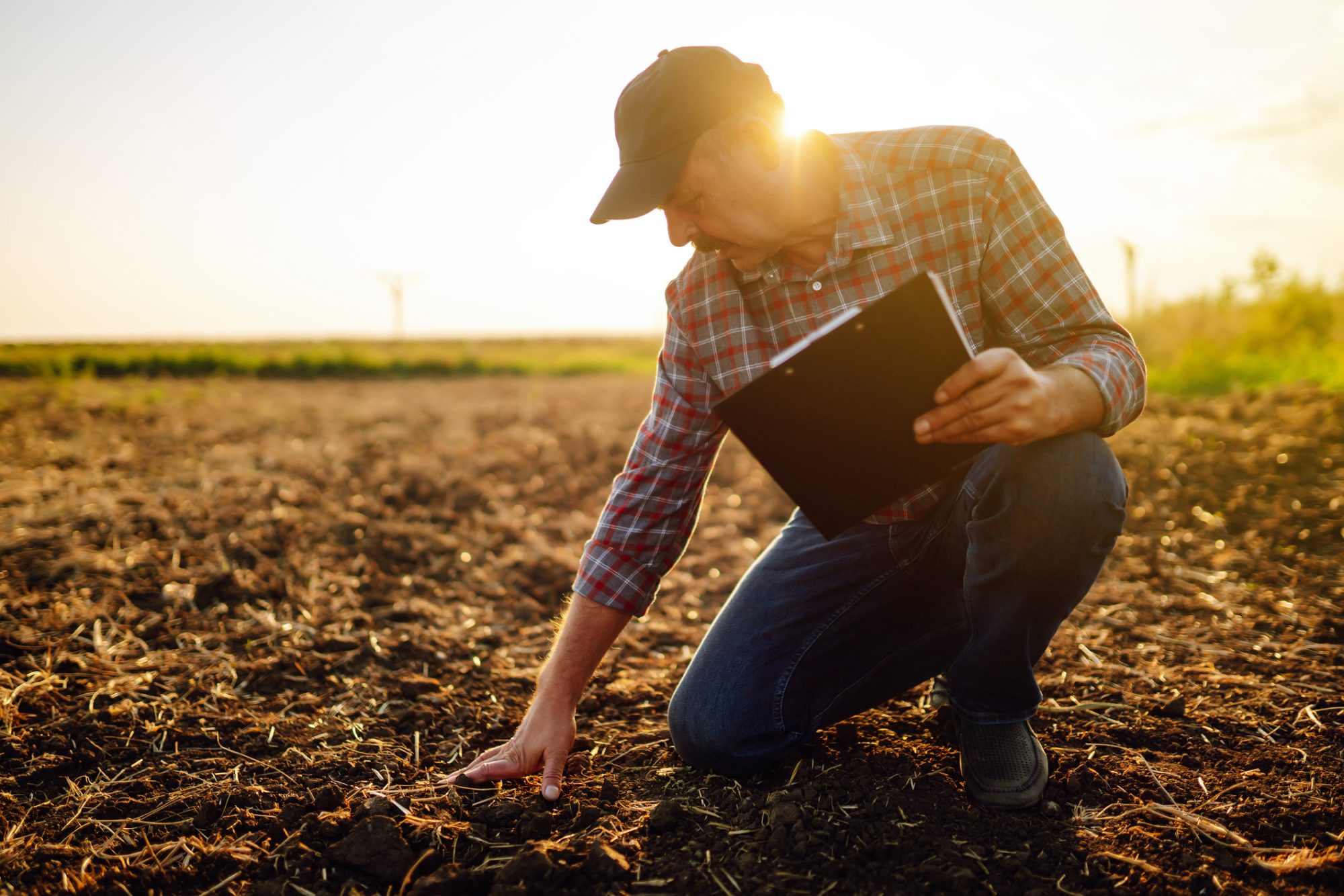
The Soil Monitoring Law brings in new regulations to support farmers
Healthy soils are essential for agricultural productivity, pest resistance, and the overall quality and safety of food, all of which are crucial to the EU’s farming sector. However, soil degradation is a widespread problem across the EU, with reports indicating that 60-70% of soils are in an unhealthy condition. This issue costs the EU over €50 billion annually.
The Soil Monitoring Law comprehensively addresses various aspects of soil degradation, including erosion, compaction, contamination, and soil sealing, highlighting its broad scope in tackling soil health challenges across the EU.
Member States will be mandated to monitor and evaluate soil health in their territories, ensuring this critical environmental aspect is comprehensively addressed. The new legislation provides flexibility, allowing each Member State to adapt the monitoring strategies to suit their unique local conditions, including variations in soil types, climate, and agricultural practices. Furthermore, to support these efforts, Member States will have access to the European Commission’s support resources, including the establishment of an innovative soil health data portal. This portal is designed to serve as a centralised platform for sharing and analysing soil health data, facilitating collaboration among countries and enhancing the effectiveness of soil monitoring initiatives across the European Union.
Improving knowledge on soil health
The Directive aims to support farmers and soil managers in enhancing soil health and resilience. It includes principles for mitigating land take to protect soil, particularly agricultural land, and the various services it provides, including food security.
Importantly, the law does not set binding targets, prohibit activities, or impose new permitting procedures, ensuring that national responsibilities for spatial planning remain unaffected and reassuring stakeholders that they can maintain their current autonomy.
Additionally, the Directive addresses the long-standing problem of contaminated sites within the EU. When there are unacceptable risks to human health or the environment, appropriate risk reduction measures should be implemented. Information regarding these sites must be made available to the public at no cost.
Overall, the new Directive aims to deepen understanding of soil health and resilience, supporting the EU’s climate, biodiversity, and food security goals, and reinforcing a collective commitment to sustainable development.