
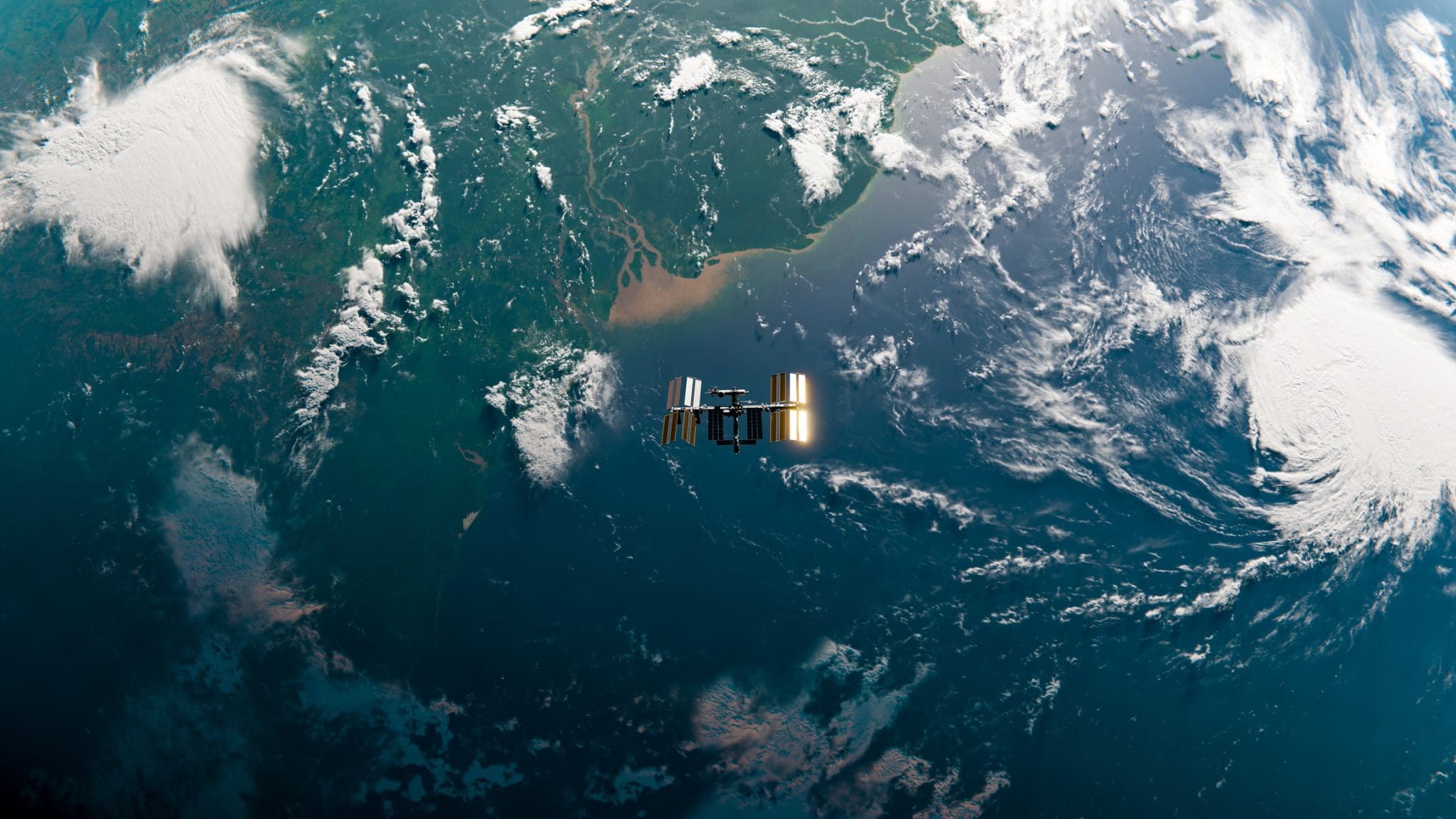
NASA is celebrating five decades of transforming space technology into practical solutions on Earth with the release of Spinoff 2026, the 50th edition of its annual publication, showing the commercial uses of NASA-developed innovations
Spinoff 2026 shows how technologies created for exploration beyond Earth continued to shape industries, improve lives and drive economic growth closer to home.
First published in 1976, Spinoff records how NASA’s research and development efforts are transferred to businesses, entrepreneurs, and public services through the agency’s technologies and innovations originally designed for space that now support medicine, construction, agriculture, communications, and consumer products.
From lunar missions to housing and infrastructure
A lot of the technologies featured in Spinoff 2026 trace their origins to efforts supporting deep space and lunar exploration, including NASA’s Artemis program.
This year’s edition highlights two companies that developed advanced 3D-printing systems to construct habitats on planetary surfaces.
On Earth, those same technologies are already reshaping construction; one company now produces custom wall panels, cladding, and architectural facades, while another uses additive manufacturing techniques to build entire neighbourhoods of affordable housing.
Robotics designed for space finds roles on Earth
NASA’s vision for future lunar missions includes robots performing routine maintenance and labour-intensive tasks, allowing astronauts to focus on exploration and research.
Spinoff 2026 shows two companies that received NASA support to develop robotic technologies for these missions.
Both have already found commercial success on Earth. One company is using robotic software for tasks ranging from bathroom cleaning to home construction, while another has developed a humanoid robot capable of working in warehouses and on assembly lines. These technologies show how space-driven innovation is accelerating automation and productivity across multiple sectors.
Lifesaving medical and safety breakthroughs
Not all spinoffs are industrial-scale. Some of NASA’s most impactful contributions have been in health and safety. Technology originally developed to improve daily life aboard the International Space Station has evolved into an implantable heart monitor that helps keep heart failure patients out of the hospital.
Other innovations include advances in personal locator beacons used in search and rescue operations, based on NASA’s satellite communication technology. These systems help first responders locate people in distress more quickly and accurately, saving lives in emergencies.
Everyday products with space origins
Spinoff 2026 also revisits some of NASA’s most memorable contributions to daily life. The food safety procedures developed for Apollo astronauts laid the groundwork for global food production standards.
Memory foam mattresses stem from pressure-absorbing materials developed for aircraft seating. Miniaturised, energy-efficient cameras designed for spacecraft now underpin modern digital photography, from smartphones to cinema. Scratch-resistant lenses and wireless headsets also trace their roots back to NASA research.
Opening the door for future innovations
Readers of Spinoff 2026 are invited to participate in the next phase of NASA’s technology transfer journey. The publication’s “Spinoffs of Tomorrow” section showcases 20 technologies currently available for commercialisation, along with guidance on licensing innovations from NASA’s broader patent portfolio, which includes more than 1,300 inventions.
Published as part of NASA’s Space Technology Mission Directorate, Spinoff reflects the agency’s ongoing commitment to ensuring that investments in space exploration deliver lasting benefits on Earth.