

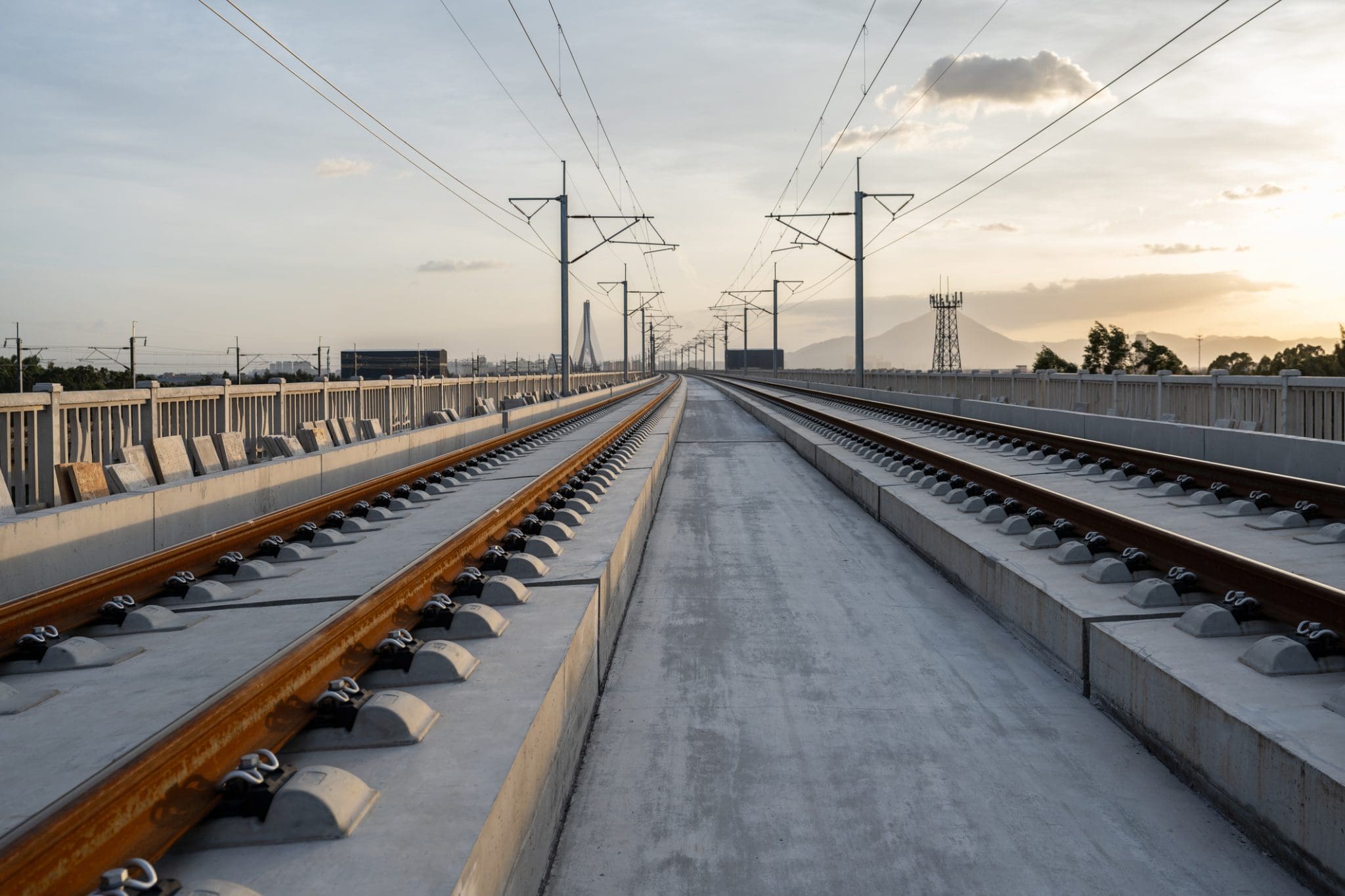
HS2 has reached a major turning point as tunnelling work officially begins on the route into central London, which is a step forward in delivering the UK’s new high-speed railway
On 27 January 2026, the first of two tunnel boring machines started its journey from Old Oak Common to Euston Station.
Taking the railway into Euston is key to unlocking the full benefits of HS2, supporting economic growth, job creation and housing development while improving connectivity between London, Birmingham and beyond.
Economic growth in central London
Delivering HS2 to Euston is expected to have a huge impact on the local and national economy. Estimates suggest that redevelopment around Euston could add around £41 billion to the UK economy by 2053, supporting approximately 34,000 jobs through a mix of new homes, commercial space, and infrastructure investment.
The start of tunnelling builds on wider progress across the HS2 network, which has already seen the completion of 23 miles of tunnels, 19 bridges, and 2 viaducts along the route between London and Birmingham. HS2 is also expected to contribute £10 billion to the west London economy over the next decade, delivering thousands of new homes and jobs.
New route to Euston
The tunnel boring machine launched at Old Oak Common weighs 1,624 tonnes and will excavate a 4.5-mile tunnel beneath London. As it advances, the machine simultaneously digs and constructs the tunnel, installing concrete segments to form the structure that will carry HS2 trains.
Rail Minister, Lord Hendy, said:
“It was brilliant to switch on the tunnel boring machine at Old Oak Common today – not just because it’s an engineering marvel – but because it brings HS2’s journey to Euston another step closer to reality.”
“We’re putting HS2 back on track, and taking the railway into central London is crucial to unlocking its full potential to deliver more jobs, more homes and a long-term boost to the whole British economy”
This machine is the first of two that will create parallel tunnels to Euston, representing one of the most complex engineering challenges on the project.
Together, the tunnelling works will remove more than 1.5 million tonnes of excavated material and install over 8,000 pre-cast tunnel rings, most of which will be transported by rail to minimise disruption and reduce environmental impact.
Jobs, homes, and a modern transport hub
More than 33,000 people are currently employed on HS2, underscoring its role as a major driver of employment. Once complete, the railway will offer faster, more reliable journeys while freeing up capacity on the existing rail network.
Plans for Euston include creating a fully integrated transport hub that combines the new HS2 station, a redeveloped mainline station, and upgraded London Underground facilities. Delivery of these plans will be led by the new Euston Delivery Company, which will oversee both transport improvements and wider commercial development across the site.
The future of Britain’s railways
The start of tunnelling to Euston shows new momentum behind HS2 and the government’s wider ambition to modernise Britain’s railways. Alongside HS2, reforms are underway to bring rail services together under Great British Railways, aiming to deliver better value, improved reliability and a more passenger-focused network.