

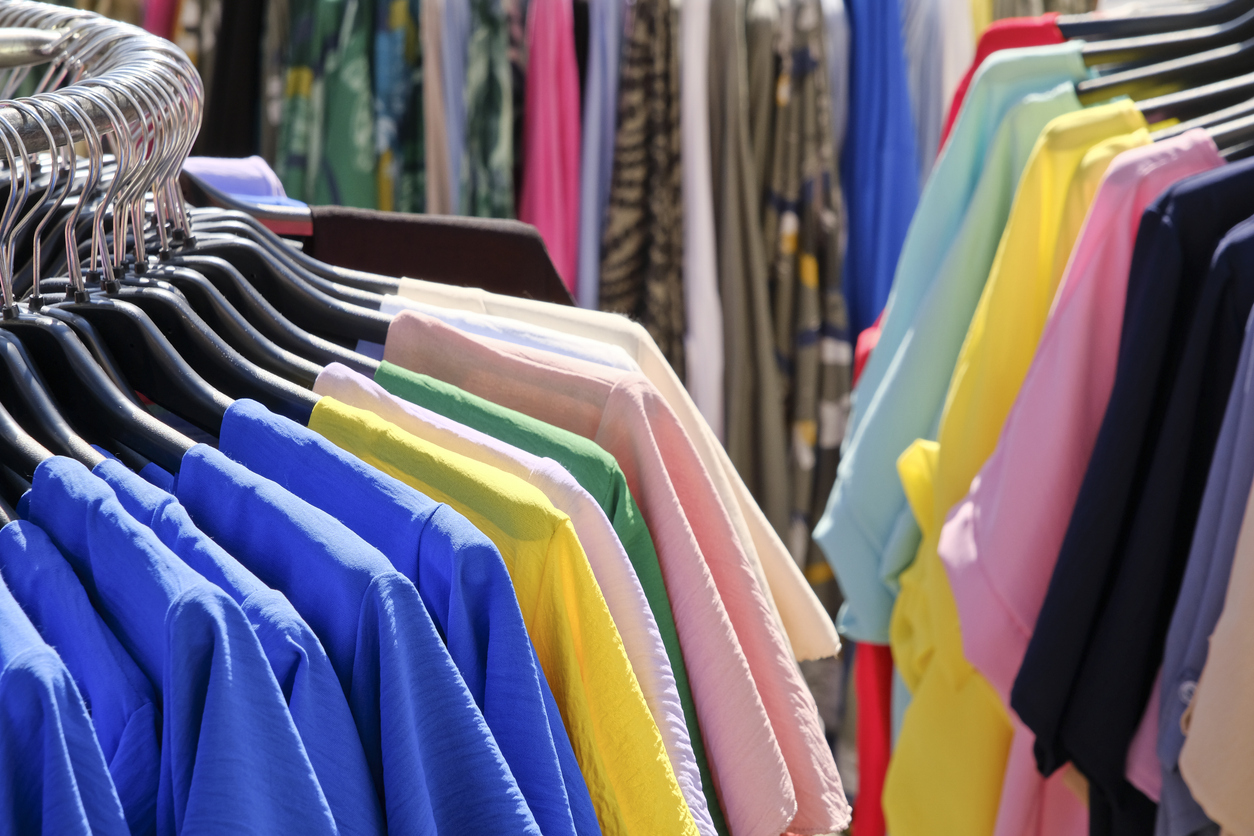
The European Union has taken the relevant steps to reduce textile waste by adopting new rules to stop the destruction of unsold clothes, accessories and footwear
On 9 February 2026, the European Commission approved a set of Delegated and Implementing Acts under the Ecodesign for Sustainable Products Regulation (ESPR).
Each year, millions of new garments across Europe are destroyed without ever being worn. The new measures are designed to slow this trend, reduce environmental harm, and support companies that are already investing in more sustainable, circular business models.
Waste and climate problems
Textile waste is a continuing problem across the EU. It is estimated that between 4% and 9% of unsold textiles are destroyed annually before reaching consumers. This generates around 5.6 million tonnes of CO₂ emissions every year, roughly equivalent to Sweden’s total net emissions in 2021.
The problem is particularly clear in large consumer markets. In France alone, unsold goods worth around €630 million are destroyed each year. Online retail has added further pressure, with nearly 20 million returned items discarded annually in Germany. Textiles account for a substantial share of this waste, making the sector a priority for EU action.
What the new rules require
Under the ESPR, companies are now required to be more transparent about how they handle unsold consumer goods. Businesses must disclose information on the volumes of unsold products they discard as waste.
ESPR also introduces a ban on the destruction of unsold apparel, clothing accessories, and footwear.
The European Commission has also adopted two complementary measures. A Delegated Act clarifies when limited exemptions to the ban may apply, such as cases involving safety risks or irreparable product damage. These derogations are strictly defined and will be monitored by national authorities. An Implementing Act establishes a standardised format for companies to report data on discarded unsold goods, helping ensure consistency and comparability across the EU.
Timelines for businesses
The ban on destroying unsold clothing, accessories, and footwear will apply to large companies from 19 July 2026. Medium-sized companies will be required to comply from 2030. Disclosure obligations under the ESPR already apply to large companies and will also extend to medium-sized businesses in 2030.
The disclosure format introduced by the Implementing Act will apply from February 2027, giving businesses time to adjust their internal systems and reporting practices.
Circular alternatives
Rather than discarding unsold stock, companies are encouraged to improve stock management and returns handling, and to explore more sustainable alternatives. These include resale, remanufacturing, donation, reuse, and other circular-economy solutions that extend product lifespans and reduce waste.
By setting clear rules and timelines, the EU aims to create a level playing field for companies while accelerating the shift toward more sustainable production and consumption patterns.
The ESPR is the first part of the EU’s plans to make products placed on the European market more durable, reusable, and recyclable. By addressing textile waste, the Commission aims to reduce environmental impacts, strengthen the competitiveness of European businesses, and lower dependency on raw materials.