
Andrew Ng discusses the significant impact of palm oil production on wildlife and habitats, highlighting its dual role as a widely consumed commodity and an environmental threat
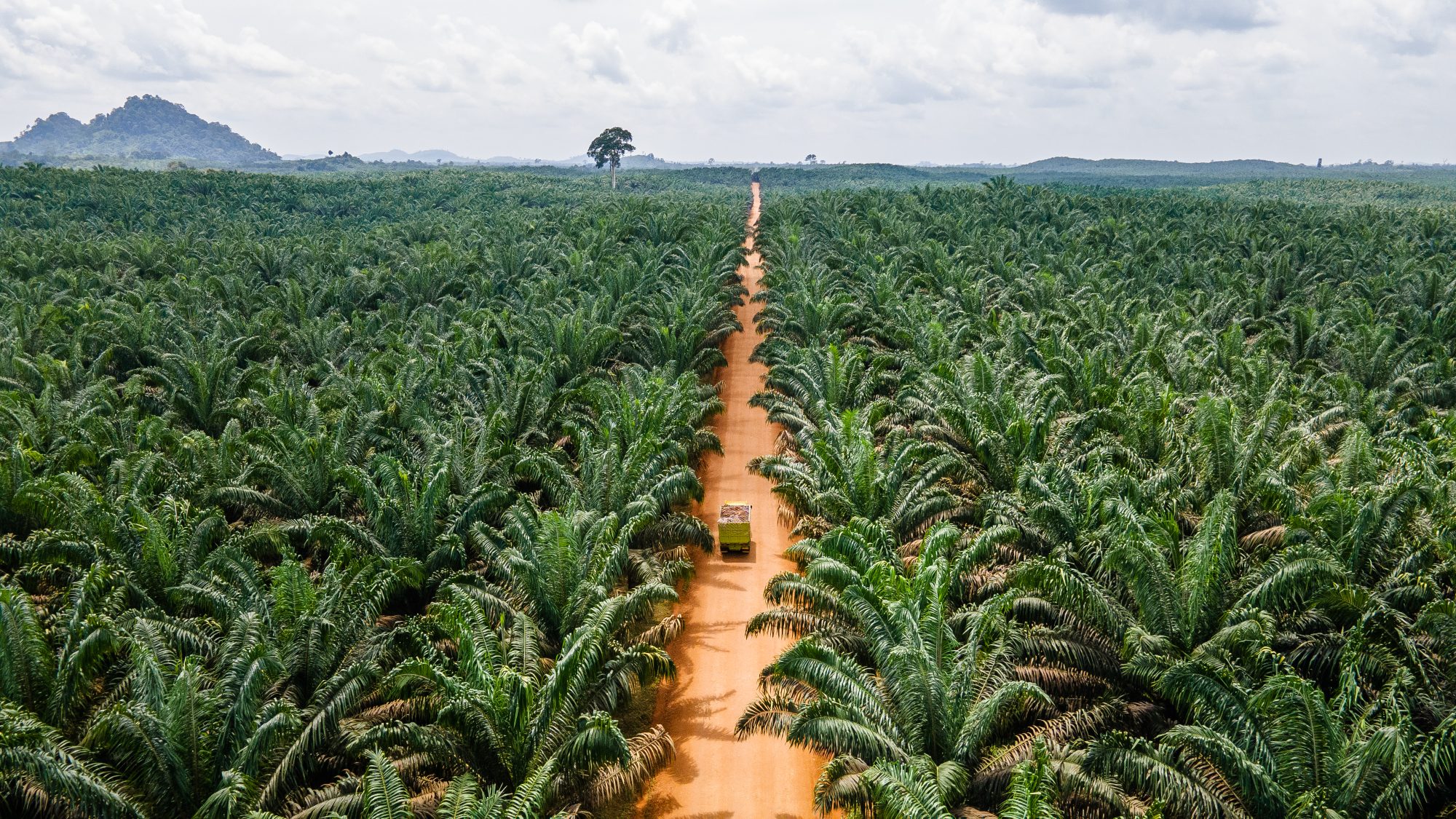
Palm oil is one of the world’s most versatile and widely consumed commodities, serving as a key ingredient in a range of products, from food items (such as the ubiquitous fried chicken I mention in this article) to cosmetics and biofuels. Its efficiency as a crop makes it integral to meeting growing global demand for vegetable oils, but this rapid growth has come at a significant cost.
The expansion of palm oil plantations, particularly in biodiverse tropical regions across Southeast Asia, has been a major driver of deforestation, habitat destruction, and a threat to endangered wildlife. Despite this, when produced sustainably, palm oil can be a viable commodity, and there have been real efforts over the last 25 years to improve the industry.
However, there is still much to be done if the palm oil industry can move beyond mere compliance to become a truly sustainable global commodity.
Palm oil demand shows no sign of slowing
Palm oil demand reflects growing demand for vegetable oils – and the reason palm oil has become so popular is its versatility, affordability, and performance across so many different applications. This versatility in a multitude of food and non-food products, a reliable supply, and discounts on other edible oils mean it is likely to continue to dominate trade, consumption, and production.
An example of this growth in practice is fried chicken. Fifty years ago, this was a niche dish – but today, it’s everywhere. From Korea to Kansas, every culinary culture has developed or co-opted a version. As fast food has proliferated globally, so has the demand for deep-frying oils, with palm oil offering excellent frying performance at a low cost. The same is true for dozens of other packaged foods, cosmetics, and home care items. All these items contain vegetable oils or derivatives, and palm’s affordability and performance make it the natural choice.
The Global Market Insights (1) Compound Annual Growth Rate (CAGR) for its Forecast Period 2025 – 2034 stands at 5.9%, driven by population expansion and increased per capita consumption. In addition, it expects the ‘traditional dominance of palm oil continues due to its affordability and versatility’.
This growth comes at a cost to the environment and the wildlife that inhabit it.
What does palm oil demand mean for wildlife?
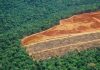
Research on the impact of monoculture plantations, such as those involving palm oil, in tropical moist forests, particularly in Southeast Asia, has been ongoing since the 1980s. Studies on the impact of new palm oil plantations have been clear in their effects – replacing a sophisticated, complex, and diverse ecosystem with a monoculture spells the end for many wildlife species in these forests.
Research has included studying changes to soil biota, species counts, vegetation, and impact on species behavior when displaced by forest conversion, with mammals like elephants and orangutans most affected. Ultimately, there is a broadly accepted view amongst researchers and industry that forest conversion for palm oil contributes to species decline, including localised extinction of significant numbers of plants and animals.
Further research is likely necessary to determine how forest fragmentation resulting from expansion impacts the survival of entire species at the landscape level. Further applied research could also help identify methods to support connectivity for species across a patchwork of forests in landscapes with a mosaic of oil palm and forests.
Making palm oil production sustainable
In the 25+ years since the watershed moment when the Roundtable on Sustainable Palm Oil (RSPO) was established to make sustainable palm oil a reality, much has changed for the sector. Today, the palm oil sector is held to some of the world’s highest sustainability demands that far outstrip expectations of competing edible oils, like soya.
The 1992 Rio Earth Summit truly put palm oil sustainability on the agenda. Starting with efforts to improve agronomic and management practices, NGO pressure from the 1990s to the 2010s led to a series of initiatives targeting the most significant impact of oil palm plantations – their contribution to global deforestation and human rights issues. This ultimately led to the formation of the RSPO, as well as the Malaysian Sustainable Palm Oil (MSPO) and Indonesian Sustainable Palm Oil (ISPO) certification schemes.
Today, approximately 20% of global supplies are RSPO certified, with MSPO at 22.5% and ISPO at about 40%. However, in total, less than half the world’s palm oil supply is certified.
This highlights the limitations of certification as an approach, which adds to the cost and resource requirements. The No Deforestation, Peat and Exploitation (NDPE) and Verified Deforestation Free (VDF) approach, tied to global sustainability reporting frameworks, has also made significant inroads. It remains a robust, cost-effective, and accessible approach.
Yet the one barrier that most significantly affects sustainable palm oil production is demand. The three largest global consumers make up half the volume. (2) (Indonesia – 28.5%; India – 13%; China – 6.6%) – countries that generally do not have strong sustainability demands from consumers or regulators.
Another issue is that future growth in production is likely to come at the expense of the world’s remaining tropical forests. News of planned food estates or greenfield oil palm plantations in Indonesian Papua, on the island of New Guinea, poses a significant risk to the forests of Papua. The pressure on the remaining tropical forests will likely intensify as global demand increases in the coming decades.
Various efforts by governments, NGOs, researchers, supply-chain actors, and plantations have highlighted the importance of supporting sustainable production practices and mitigating their impacts.
To address this, we’re seeing the growth of human-wildlife conflict management tools, the incorporation of spatial planning that prioritises biodiversity (such as High Conservation Value/High Carbon Stock assessments), and partnerships to address or mitigate animal displacement, rehabilitation, or relocation between plantations and NGOs. Other progress includes international efforts that bring together supply-chain, government, and plantation partners at the landscape level – utilising a mix of mitigation, conservation, and restoration efforts to support wildlife conservation.
An emerging approach involves utilising restoration efforts within or around plantations to rectify past harm. These include reforesting, re-wetting wetlands, nature set-asides, riparian zones, wildlife corridors, and other means to enhance biodiversity. This approach provides significant upside. It can improve species survivability in fragmented forests, rehabilitate areas, and serve as a tool to address past harm caused by palm-driven deforestation. This allows companies responsible for past deforestation a route to address the issue and become a proactive player in the process.
Ultimately, market demand for sustainable palm oil will directly influence the operations and approaches adopted by plantations. All consumers and users of palm oil can play a role, which will translate into demand for oils that meet NDPE / VDF standards. Supply-chain actors can play transformative roles by establishing such standards as de rigueur.