
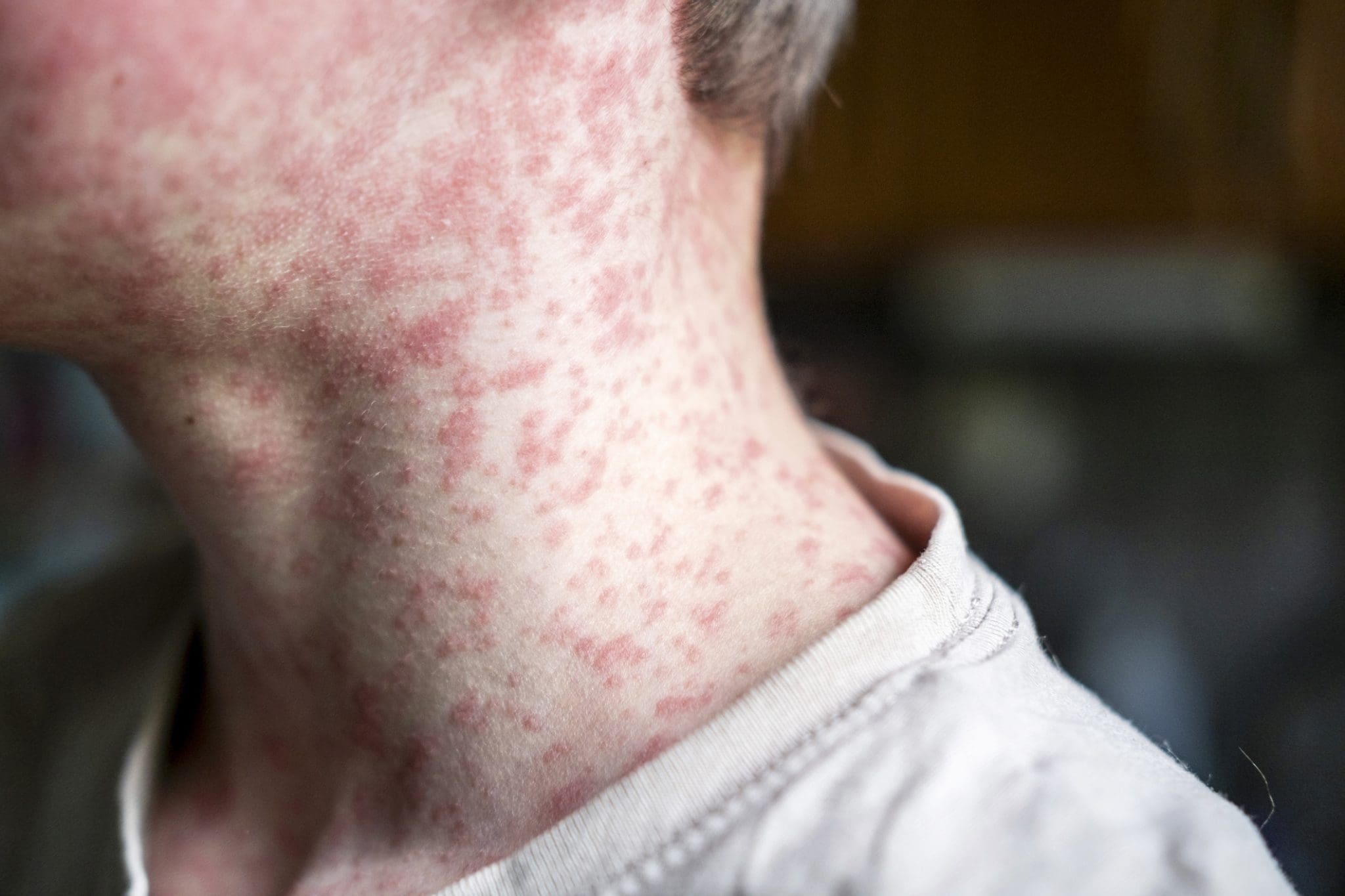
Rising measles cases and low vaccination rates have caused the UK to lose its measles-free status
The World Health Organization (WHO) has confirmed that the United Kingdom has lost its measles elimination status because measles is again being transmitted continuously within the country, based on 2024 data. That means measles is no longer considered eliminated in the UK.
Experts are calling for urgent, coordinated action from both the government and the public to increase vaccine coverage, strengthen public health measures, and ensure every child is protected from measles and other preventable diseases. Parents and caregivers are encouraged to check children’s vaccination records and arrange catch-up immunisations if needed.
What is measles?
Measles is a highly contagious viral infection that primarily affects children. It spreads easily through coughs, sneezes, or close contact with an infected person. Symptoms include a high fever, red blotchy rash, cough, runny nose, and watery eyes. While most children recover, measles can sometimes lead to serious complications such as pneumonia, ear infections, or swelling of the brain.
The MMR vaccine (measles, mumps, rubella) is the only reliable shield for children, and it must be given in two doses. With vaccination rates falling, the window to prevent dangerous UK measles outbreaks is closing rapidly.
What does this mean for UK children?
Losing measles-free status means the UK can no longer control measles—it is actively spreading. For children, the consequences are grave and urgent:
- Higher risk of infection – Measles is highly contagious, and children who are unvaccinated or under-vaccinated are at much greater risk of catching it.
- Serious health complications – Measles can lead to pneumonia, encephalitis (brain swelling), or even death, especially in young children or those with weakened immune systems.
- Outbreaks in schools and communities – With declining vaccination rates, clusters of cases are more likely, which can lead to school closures or wider public health restrictions.
- Importance of vaccination – Ensuring children are fully vaccinated with the MMR (measles, mumps, rubella) vaccine is now critical to protect them and others from outbreaks.
Expert comments
A WHO/Europe Spokesperson said: “The UK’s change of status reflects a broader challenge we’re facing across the WHO European Region. Outbreaks of measles and other vaccine-preventable diseases are threats to health security in Europe, alongside antimicrobial resistance and other emerging threats. Persistent immunity gaps led to a Region-wide resurgence in measles and other vaccine-preventable diseases in 2024 and a decrease in the number of countries that have achieved or sustained measles elimination status. Through strengthened surveillance, improved outbreak response, and focused efforts to reach under-vaccinated communities, all countries can achieve and sustain elimination.”
Similarly, Cllr Dr Wendy Taylor MBE, Chair of the Local Government Association’s Health and Wellbeing Committee, stated: “We are concerned by the confirmation from the World Health Organisation that the UK has lost its measles elimination status. Measles is highly infectious, and this underlines how important it is to maintain high vaccination rates to keep children and communities safe.
Councils are working with local partners in the NHS, GP surgeries, schools, and early years settings to support the uptake of the MMRV vaccine.
“It’s never too late to catch up on vaccines. Councils will continue to play a central role in providing trusted information to families and helping tackle misinformation so that more children are protected from preventable illness.”
Joanna Rea, Director of Advocacy of The UK Committee for UNICEF (UNICEF UK) said: “This announcement is a grave warning about the state of children’s health in the UK. When vaccination rates fall, children are left painfully exposed to risks of serious illness, life-long complications, and even death.”
“This isn’t just a health issue – it’s an issue of fairness. Children in poverty face the biggest barriers to vaccination, and these latest figures show the cost of that inequality. UNICEF UK urges the government to invest in early childhood health services and continue to tackle child poverty so every child, wherever they live, is protected from easily preventable illness.”