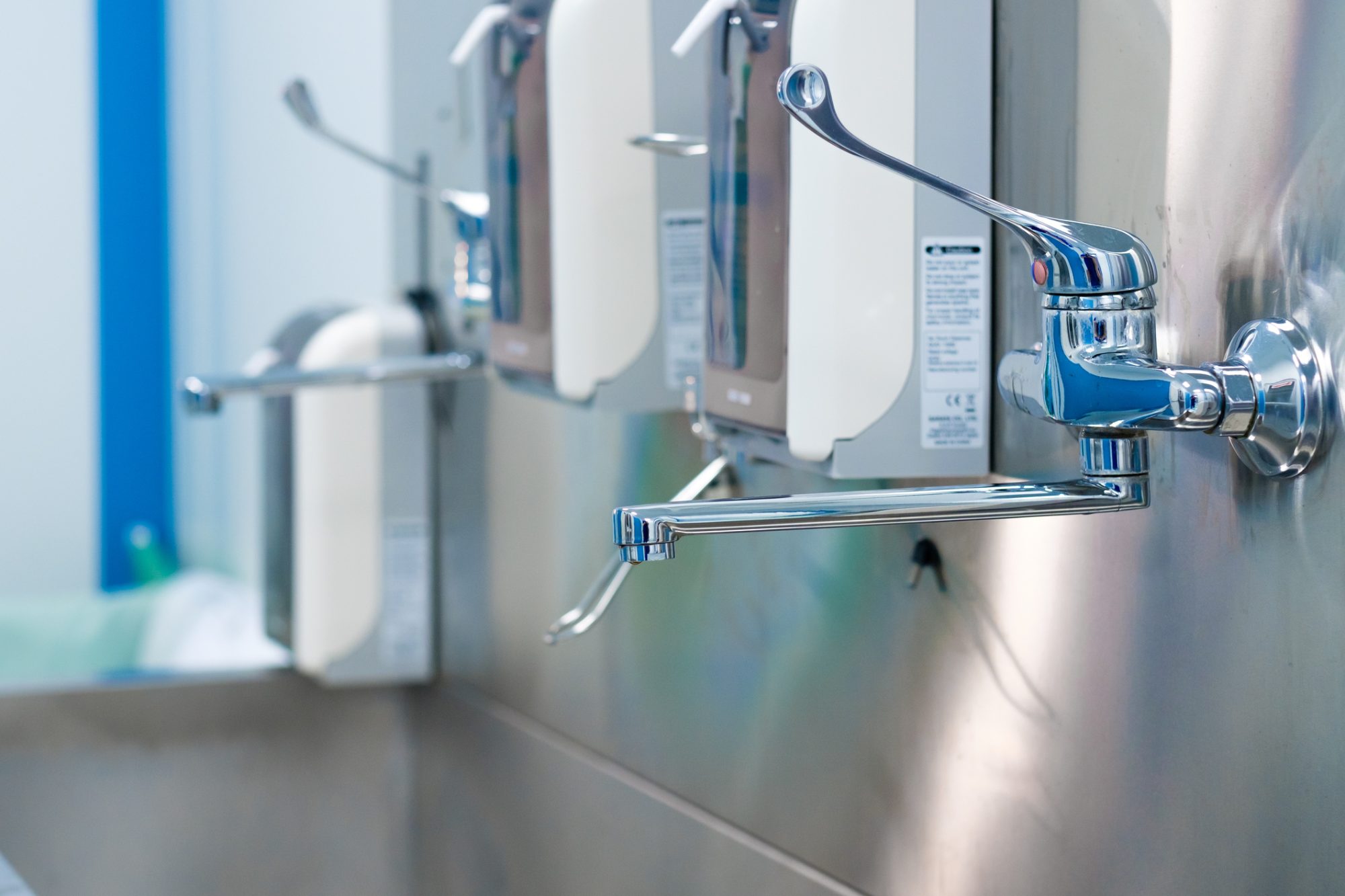
Claire Jackson from HC Legionella Ltd examines the role of TMVs in managing water temperature and the challenges they pose in preventing Legionella growth within NHS buildings
Thermostatic Mixing Valves (TMVs) are vital for water safety, providing warm water between 39-43°C. Proper maintenance reassures building managers that they are effectively controlling scalding risks and ensuring user safety.
It’s essential to recognise that managing water temperature is a trade-off that can yield significant benefits if executed correctly. Additionally, we must remember that Legionella is not the only pathogenic risk, as outlined in the HTM04-01 and DO8 guidance documents.
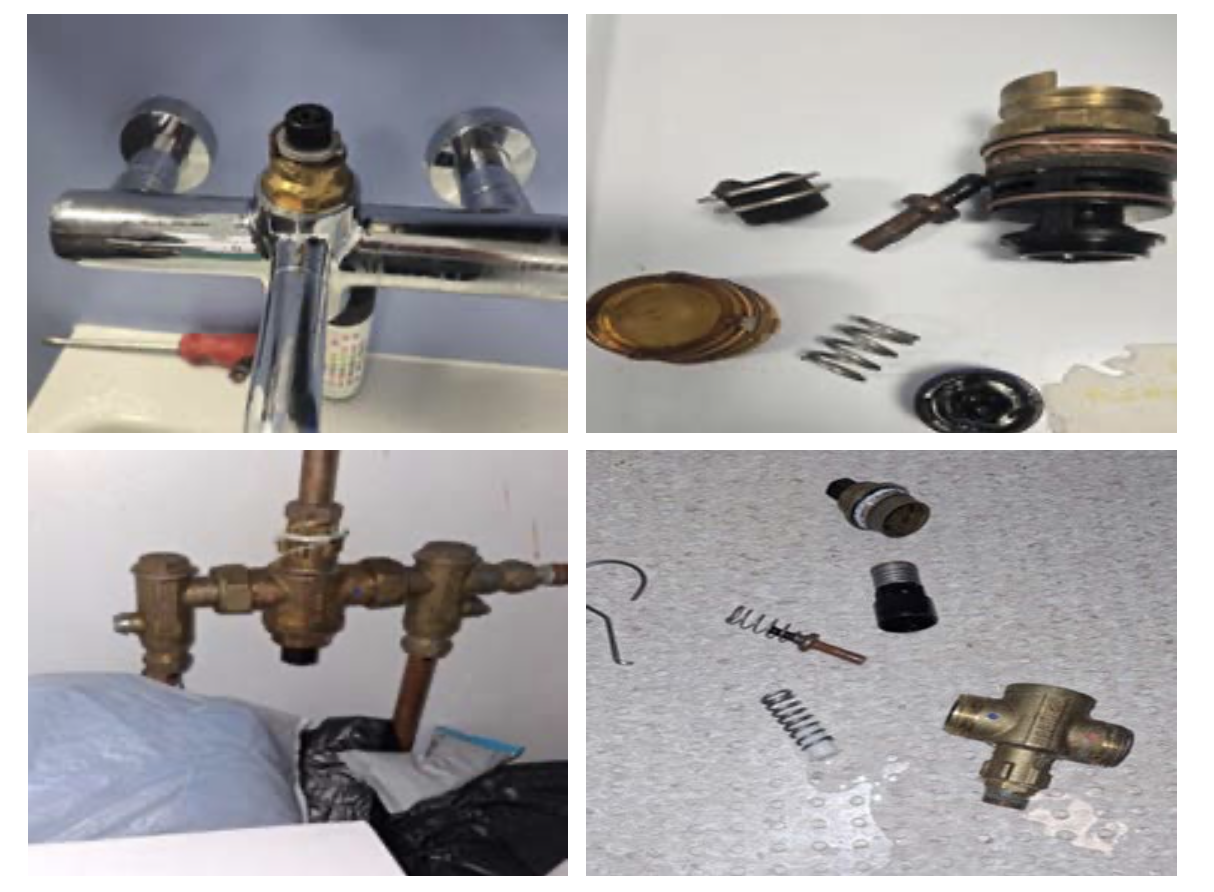
TMV servicing
Currently, there is no specific legal mandate for TMV servicing beyond the general requirements of the Health and Safety at Work Act and the Health and Social Care Act. However, manufacturers often recommend a servicing regime for their units, so building managers should verify compliance with applicable requirements to mitigate legal risks.
Guidance on TMV servicing, such as that found in HSG 274 Part 2 Table 2.1, begins by questioning whether a TMV is still necessary for a given outlet, referencing the basic principles in COSHH (Control of Substances Hazardous to Health) and the DO8 TMV guidance, which supplements HTM04-01.
When a TMV is deemed necessary, it requires routine maintenance, with the frequency dictated by a risk assessment. While HTM04-01 recommends annual servicing, it advises that inspections, cleaning, descaling, and disinfection of any filters or strainers associated with TMVs should also be part of this process.
Routine fail-safe checks are essential to ensure that if there is a disruption in supply services, the valve will lock out distribution to prevent extreme temperature changes for users. However, these checks do not include cleaning, descaling, and disinfection.
Unfortunately, we have observed that TMV servicing sometimes only includes a failsafe check, neglecting necessary disinfections, which are often conducted only if the failsafe fails to work correctly.
Clients should be specific about their service requirements to foster trust and ensure they receive the quality and scope needed for effective water safety management.
The primary reasons for declining TMV servicing standards are cost and competence. As a buyer, it’s essential to clearly specify what you expect at the end of the service, such as requesting a “Full TMV Service including strip-down disinfection” to ensure compliance and quality assurance.
Ensuring confidence in service quality
To ensure confidence in service quality, buyers should verify that the engineer is competent, with accessible training and competence records for TMV servicing, a common water hygiene task. If concerns are raised, then on-site competence assessments and task verification should be undertaken.
Neglecting proper servicing can pose risks, such as the potential for scalding incidents. Additionally, it may create problems within the water system, including crossflow of hot water into cold services or vice versa, reduced flow rates due to blocked strainers, and the risk of bacterial proliferation. This can result in widespread contamination as bacteria travel through the water system.
Furthermore, the extensive surface area of TMVs can develop significant biofilm, which serves as a breeding ground for bacteria.
Building managers should clearly understand the type of service they require, knowing that proper tasks take time to complete. A full TMV service can take up to 45 minutes, depending on access, isolation valves, chemical contact, and reinstallation. Suppose one engineer is tasked with servicing 50 TMVs in a day. In that case, it is unlikely that each task is being performed thoroughly in accordance with the DO8 guidance.
Furthermore, request method statements before purchasing a service, and compare them with DO8 guidelines to ensure they align in terms of methods and timings. Inquire about the completion evidence you will receive – will it include a detailed breakdown of the service and representative photos? Remember to conduct spot checks on the service engineers and inspect the sites afterwards; it is usually easy to identify if a TMV hasn’t been removed by the scale accumulation around the isolation and access points.
Expert help to maintain safety and compliance
If external support for TMV servicing is required, HC Legionella Ltd can assist with risk identification through to resolution. Recognising when broader system issues are present can reassure building managers that expert help is available to maintain safety and compliance.