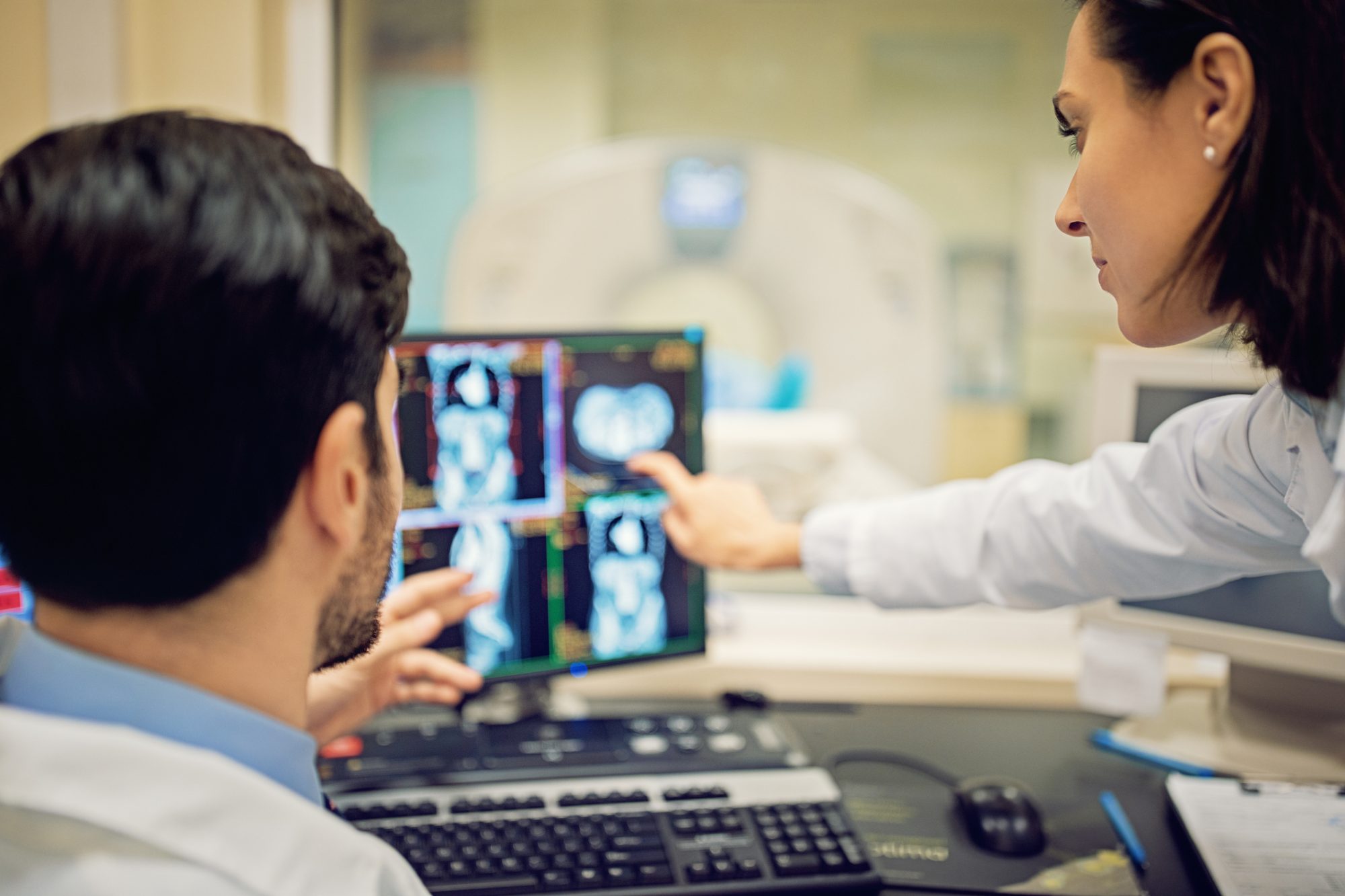
Dr Ravi Gill discusses the factors contributing to the heightened susceptibility of individuals in high-risk occupations – such as emergency services and the armed forces – to Post-Traumatic Stress Disorder (PTSD).
Mothers and daughters who adhere to feminist values speak more positively about their bodies, suggesting that feminism may encourage better body image perception.
Lakshmi Mahadevan, Associate Professor and Extension Specialist at Special Populations, looks toward helping rural residents seek appropriate and timely help for mental health challenges.
People attending festivals commonly report having transformative experiences – which researchers find to improve connection to humanity and willingness to help others.
Almost half of working people are at risk of job burnout, and people working from home are more likely to feel this way, as almost one in ten are burning out.
Dr. Irene van Kamp, from the National Institute for Public Health and the Environment, discusses the exposome concept to study the role of the environment in human disease.
People who undergo Gender Affirming Hormone Therapy have high grades of satisfaction with the physical and psychological effects – and have fewer suicidal thoughts.
Looking at rising cases of drug overdose deaths, researchers discuss how stigma correlates to poor health outcomes for those struggling with addiction.
Can the superman pose really affects confidence and behaviour, as implied in popular culture? Scientists, working in an international collaboration, have the answer.
Funded by the European Commission’s Horizon 2020 Framework Programme, eMOTIONAL Cities is a 48-month project, with a total budget of nearly €5 million, that is designed to fully characterise the intensity and complexity of urban health challenges and inequalities.
ADHD in women can often present differently from ADHD in men – knowing the signs can help with common symptoms like inattentiveness, depression and anxiety.