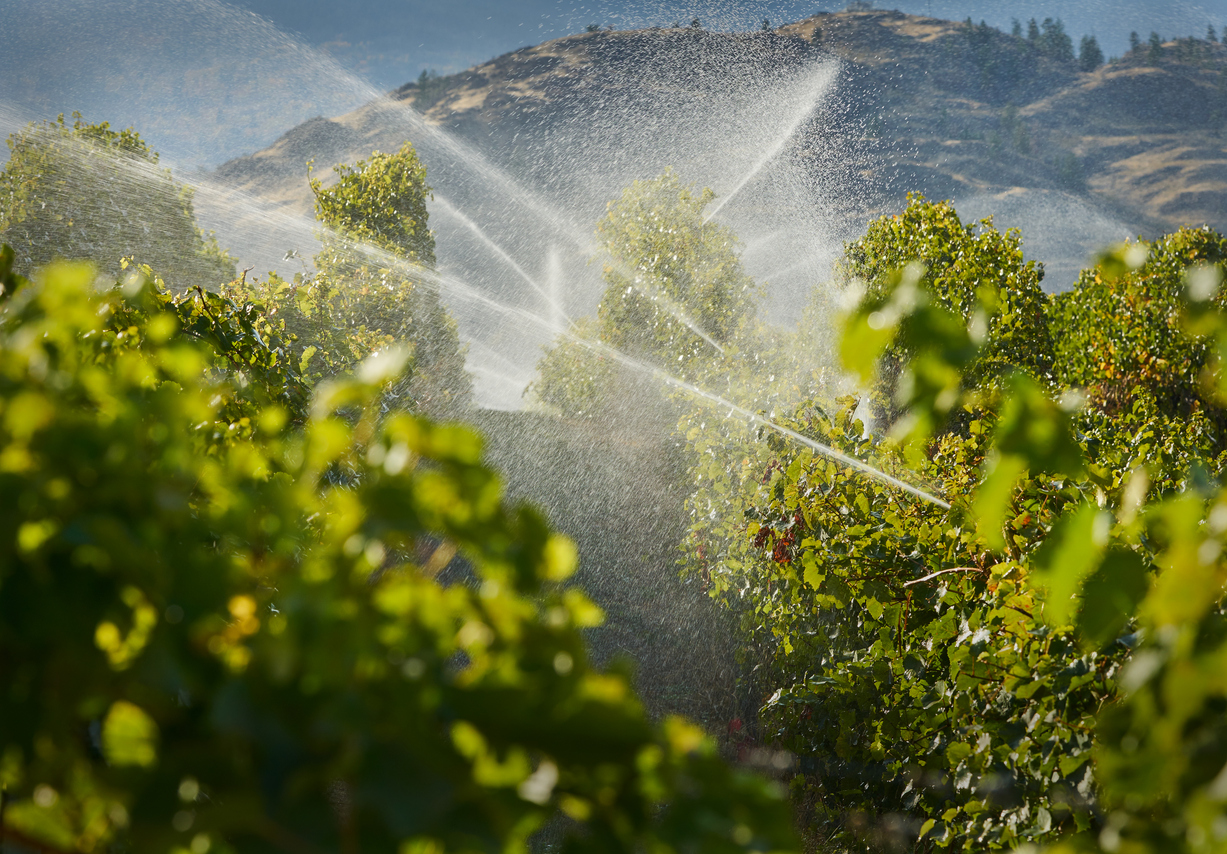
Peter Glanville and Emily Owen, Principal Hydrologist Consulting, explore why catchment scale thinking can trickle down for water resilience solutions across the European Union.
Deputy Director of the Seismological Center Central Weather Bureau (CWB) in Taiwan, Nai-Chi Hsiao, explains how the country’s quick earthquake alert system provides notification when it comes to ensuring disaster risk reduction.
Some of the priorities for the environment, maritime affairs and fisheries in Europe are charted here when it comes to the all-important European Commission policy around these crucial themes.
The UK government has launched a new system to ensure they maintain current restrictions on the use of fluorinated greenhouse gases in the event of a no deal Brexit.
Institution calls for urgent action to introduce hydrogen trains in areas outside the electrified rail network in order to eliminate harmful emissions.
A new study has shown that GDPR is actually benefitting the environment 360 tonnes of CO2 is being saved every day from sending fewer marketing emails.
Five projects have been chosen for development funding in the Department for Transport’s (DfT's) First of a Kind (FOAK competition, which focuses on innovative rail schemes that can cut the carbon footprint of the UK’s railways.
Every year in Britain, households throw away around 22 million tons of waste into the bin but recycling rates have plummeted to around 44%, despite the target set at 50% by the year 2020.
Making smarter decisions to improve work efficiency is a vital aspect of any business: tools that allow making those decisions are becoming increasingly valuable.
Wulfric Blackwell, Habitats Project Manager at Thomson environmental consultants argues that sustainability begins in the workplace and reveals how businesses can help reduce their carbon footprint.
The Organisation for Economic Co‑operation and Development Nuclear Energy Agency (NEA) examine the success rate of countries lowering emissions in order to reach new environmental and energy security goals, in a new report.