
A new scientific database has revealed the hidden chemical landscape within everyday plastics, raising concerns about human health, environmental safety, and the feasibility of a truly circular economy
The inventory, known as PlastChem, catalogues more than 16,000 chemicals that are either intentionally added to plastics or end up there unintentionally during manufacturing and use.
PlastChem found that over a quarter of these substances are classified as hazardous chemicals of concern. This poses a growing challenge for regulators, manufacturers, and policymakers worldwide.
Plastics beyond pollution
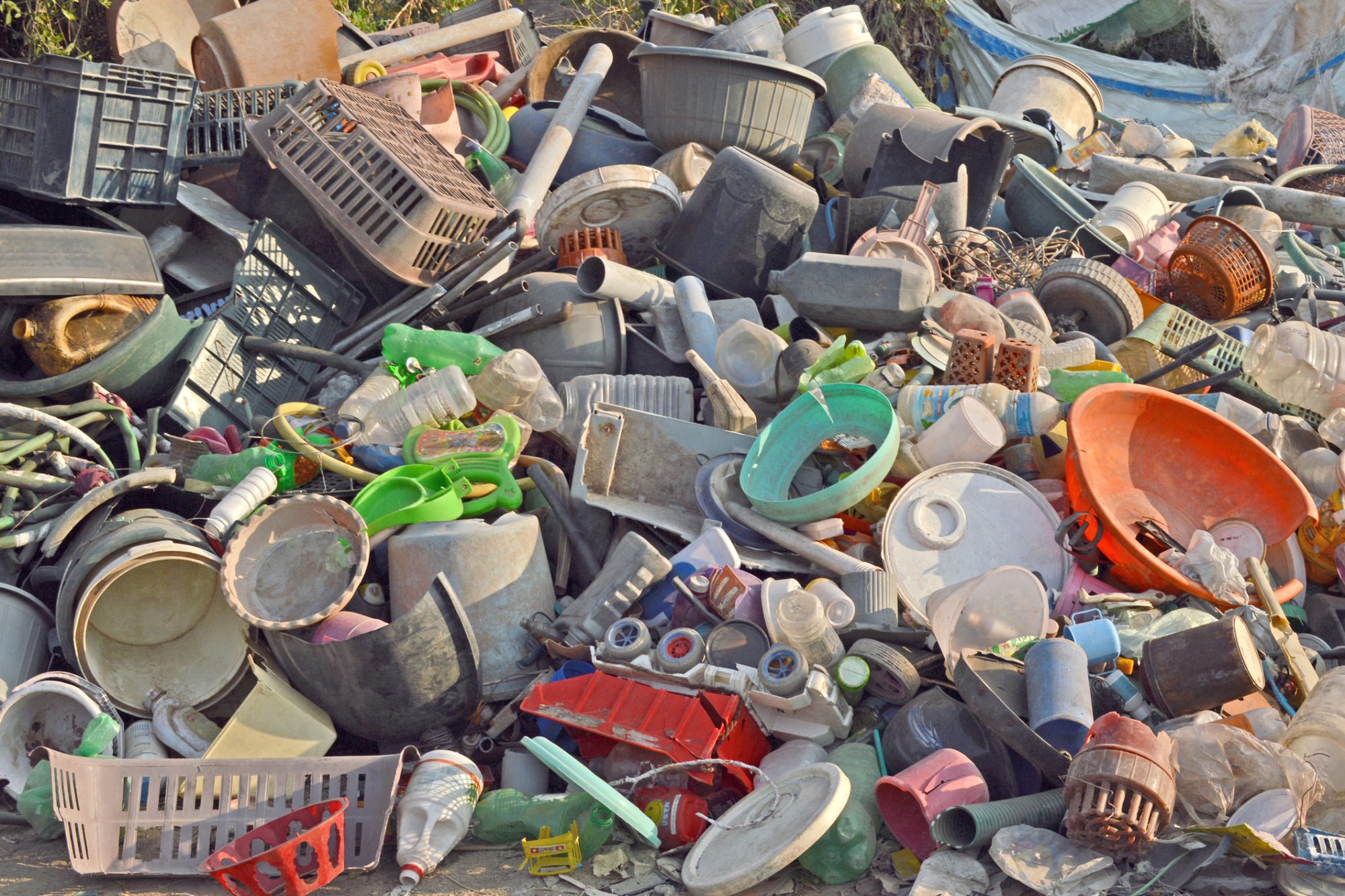
Plastic pollution is often discussed in terms of visible waste, such as discarded packaging and microplastics in the ocean. However, plastics also act as carriers of thousands of chemicals that can leach into the environment during production, everyday use, recycling, and disposal.
These substances include additives such as plasticisers, fillers, and stabilisers, as well as impurities and reaction by-products. Some are linked to serious health and ecological effects, including reproductive harm, developmental disorders, immune system disruptions, and toxicity to aquatic life.
Even polymers, which have long been thought to be inert due to their large molecular size, are included. More than 10% are classified as hazardous under existing criteria.
Mapping the chemical complexity
PlastChem is the most comprehensive global overview of plastic-related chemicals to date. It identifies over 12,600 substances with known chemical structures, alongside nearly 3,700 substances for which structural or toxicological data are incomplete or missing.
The database shows that additives are the most diverse category, accounting for more than 5,700 chemicals. Many substances serve multiple functions across the plastic lifecycle, reflecting the chemical and functional complexity of modern plastics.
When researchers grouped more than 10,000 chemicals by structural similarity, they found that over 75% of chemicals of concern fall into three chemical families: aromatic amines, aralkyl aldehydes, and alkylphenols. This finding could help focus future regulatory and substitution efforts.
Exposure and limited regulation
Nearly one-third of the chemicals marketed for plastic production, detected in finished plastic products, or shown to migrate into food and other media, are of concern. This indicates a high potential for human and environmental exposure.
Despite this, most hazardous plastic chemicals remain unregulated globally. While some countries have introduced national restrictions, enforcement and oversight vary widely. Because plastics and plastic products are traded internationally, regulatory gaps in one region can undermine protections elsewhere.
Supporting safer plastics policy
PlastChem come at an important moment for plastics governance. The European Union is advancing policies under its Plastics Strategy and Circular Economy Action Plan, while global negotiations are underway to develop a legally binding international agreement addressing the full lifecycle of plastics.
The study also aligns with the EU’s recently adopted “one substance, one assessment” approach, which aims to improve transparency, harmonise chemical risk assessments, and create a shared data platform for chemical information.
A non-toxic circular economy
The researchers outline several routes toward safer plastics, including phasing out known hazardous substances, investing in safer alternatives, and simplifying the range and complexity of plastic formulations. They also emphasise the need for greater transparency from manufacturers, noting that data gaps remain a major obstacle to effective regulation.
While PlastChem does not solve the problem of hazardous chemicals in plastics, it provides a critical foundation for evidence-based policy, safer product design, and a more realistic pathway toward a non-toxic circular plastics economy.