Through world-class research, we can better understand and tackle the impacts of cancer inequalities to ensure we are beating cancer for everyone. Experts from Cancer Research UK explain.
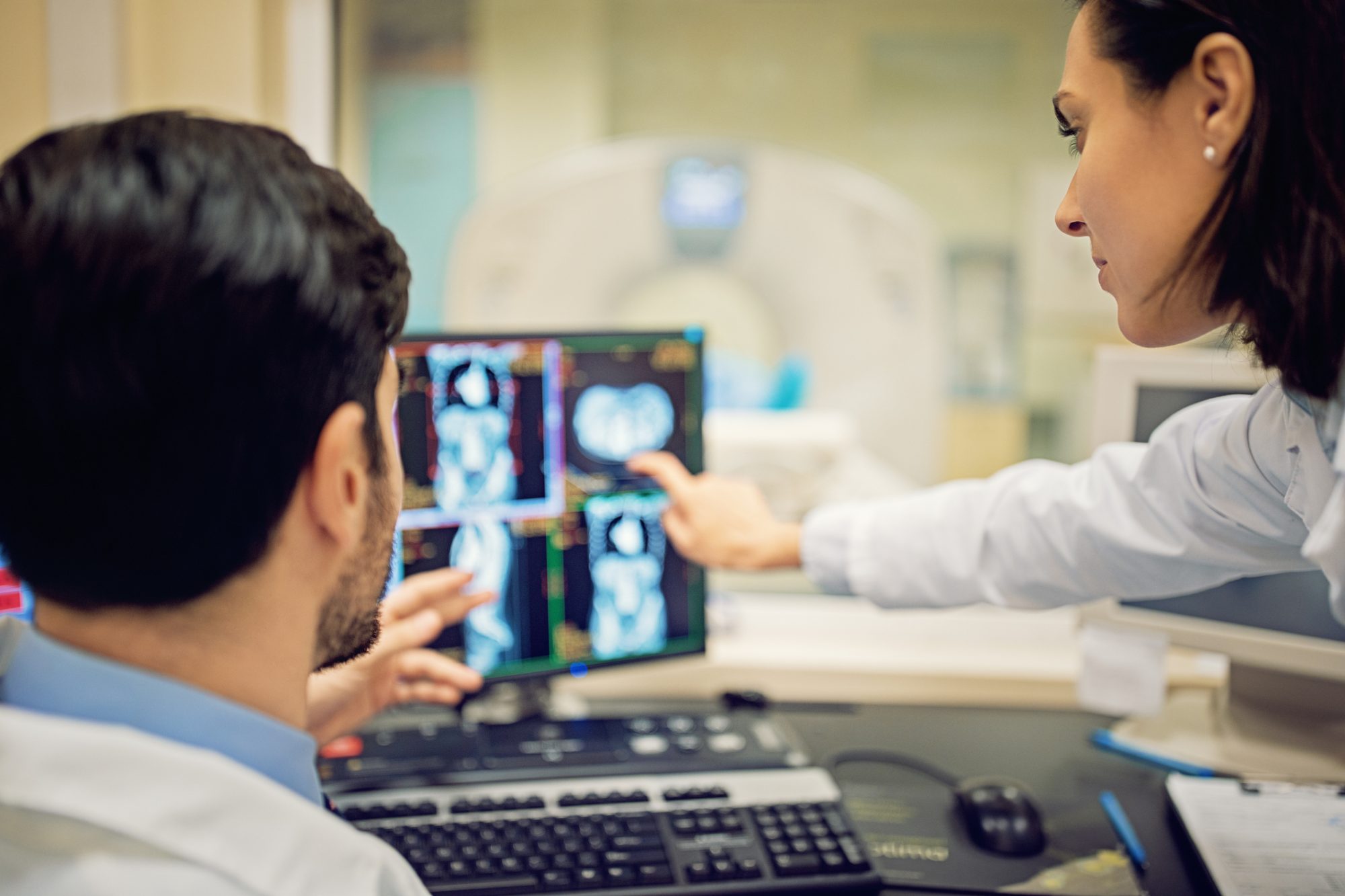
AI offers an opportunity to reimagine our approach to cancer diagnostics, leveraging data to build a more robust and efficient system for cancer referrals.
HPV is the most common STI in the world, affecting 80% of the population. Here Dr Deborah Lee, from Dr Fox Online Pharmacy, addresses the most common issues about HPV in an attempt to aid in the understanding of the condition
Researchers have revealed a new and non-invasive way to detect brain tumours through a device that identifies a key membrane protein in a patient's urine.
Researchers discover drug combination that could offer a better prognosis for children diagnosed with MYC amplified Medulloblastoma, an often deadly form of brain cancer.
Prof Richard M Hall, School of Mechanical Engineering, University of Leeds, explores how oncological engineering is paving the way for new and innovative cancer treatments.
British Skin Foundation walk us through the two main types of skin cancer, melanoma & non-melanoma, and the importance of funding research in the field.
The Canadian Institutes of Health Research (CIHR), a Canadian healthcare research investment agency, collaborates with partners to innovate health improvements.
Sean Lawler, Associate Professor at Brown University pursues an understanding of cancer through the lens of the molecular and cellular ecosystem and natural selection.
David Bloomfield, Consultant in Clinical Oncology Sussex Cancer Centre, argues that precision radiotherapy is our most effective cancer treatment and should be available to everyone with cancer, but workforce planning is failing our patients.
Marius Wellenstein, COO and co-Founder of WSK Medical, explains the successful launch and implementation of Zeno AI, a real-time AI solution for early throat cancer detection.